Practical tips
Visas, SIM cards, money, plugs, time and getting around: the practical answers for a trip to Ethiopia.
58 answers
Visas, SIM cards, money, plugs, time and getting around: the practical answers for a trip to Ethiopia.
58 answers
 Ethiopia
No. Don't drink tap water in Ethiopia, including in Addis Ababa, unless it has been boiled, filtered or otherwise treated. Health advice for travellers is to drink sealed bottled water, avoid ice and brush your teeth with bottled or treated water. Bottled water is sold almost everywhere, and tea and coffee served steaming hot are usually safe.
Updated Nov 2026 · 6 min
 How long
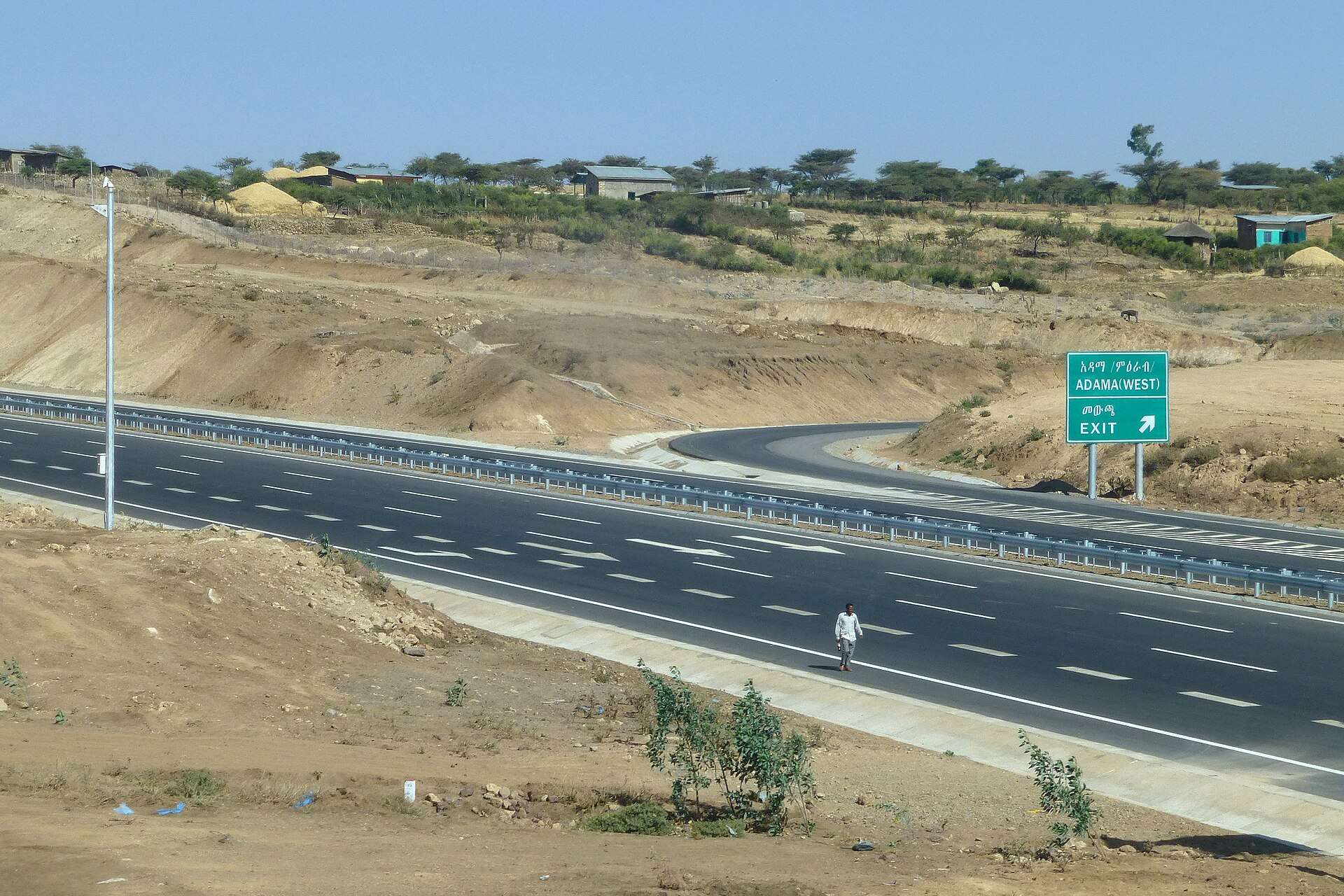
Adama, formerly Nazret, is about 90 km south-east of central Addis Ababa by road. On the Addis–Adama toll expressway the drive takes about 1 hour 15 minutes in light traffic, longer when leaving Addis at busy times. It is a warm, busy Rift Valley city, and the Sodere hot springs lie about 25 km beyond it. As of 23 October 2026, UK advice exempts the expressway itself, but US advice says not to travel to Oromia outside Bishoftu and Bale Mountains National Park, which includes Adama and Sodere.
Updated Nov 2026 · 6 min
 Is it safe
Yes, for most women who travel with some care. Addis Ababa is stable and busy with ordinary life, and most crime against visitors is petty theft such as pickpocketing and bag snatching, not violence. What women alone do meet is attention and verbal harassment, more so outside the capital. Dress modestly, don't walk alone after dark, and use a pre-booked car from the airport and for evenings out.
Updated Oct 2026 · 7 min
 What to expect
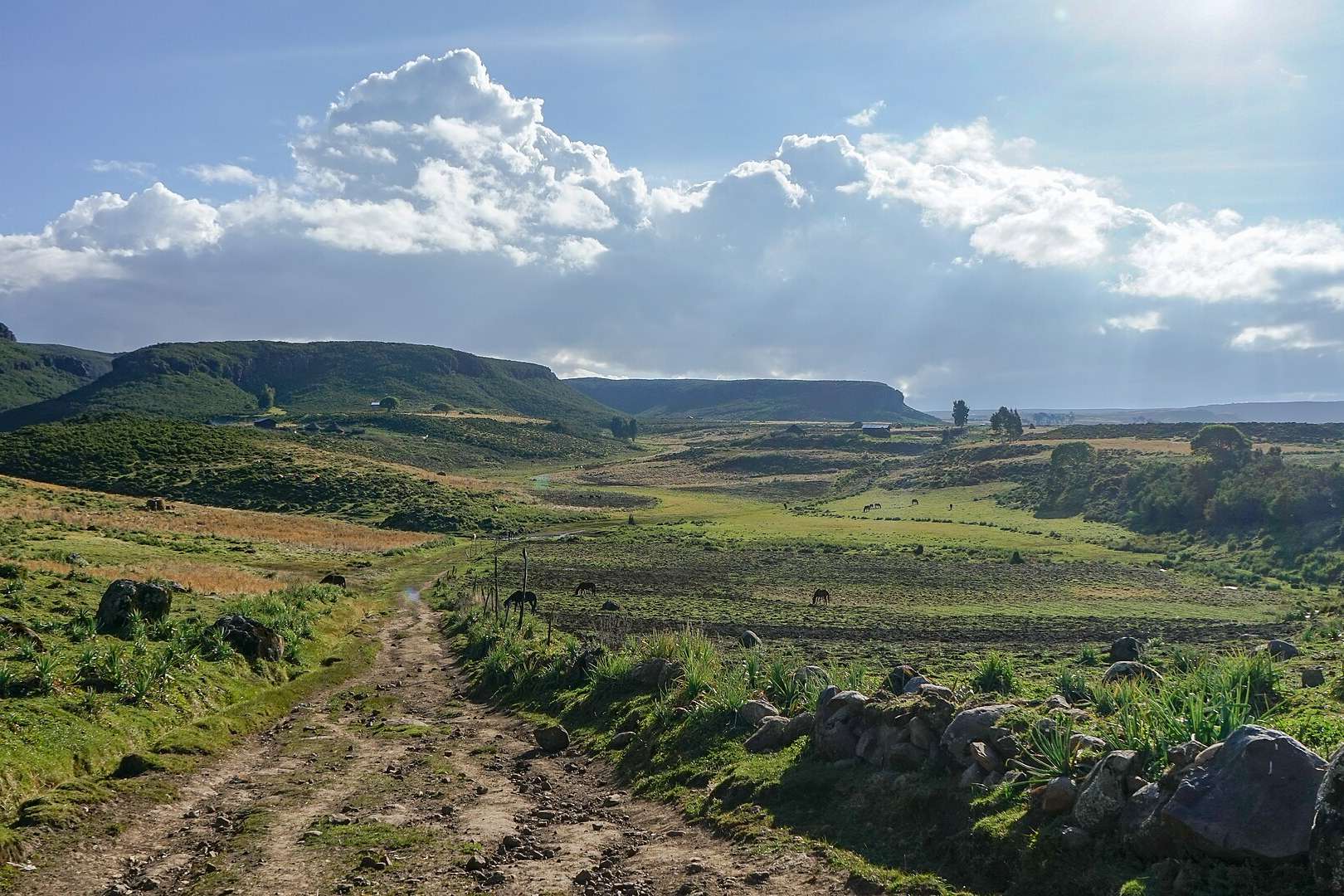
Yes. Ethiopia has 12 UNESCO World Heritage sites, a Christian tradition going back to the fourth century, coffee in the country where it was first drunk, a cuisine found nowhere else, and highland and Rift Valley scenery with wildlife such as the Ethiopian wolf. Right now the trips that work are Addis Ababa, Bishoftu's crater lakes, the Rift Valley lakes, Hawassa, the Bale Mountains and Arba Minch. A week covers Addis and the lakes; ten days to two weeks lets you add Bale or Arba Minch.
Updated Oct 2026 · 8 min
 When to go
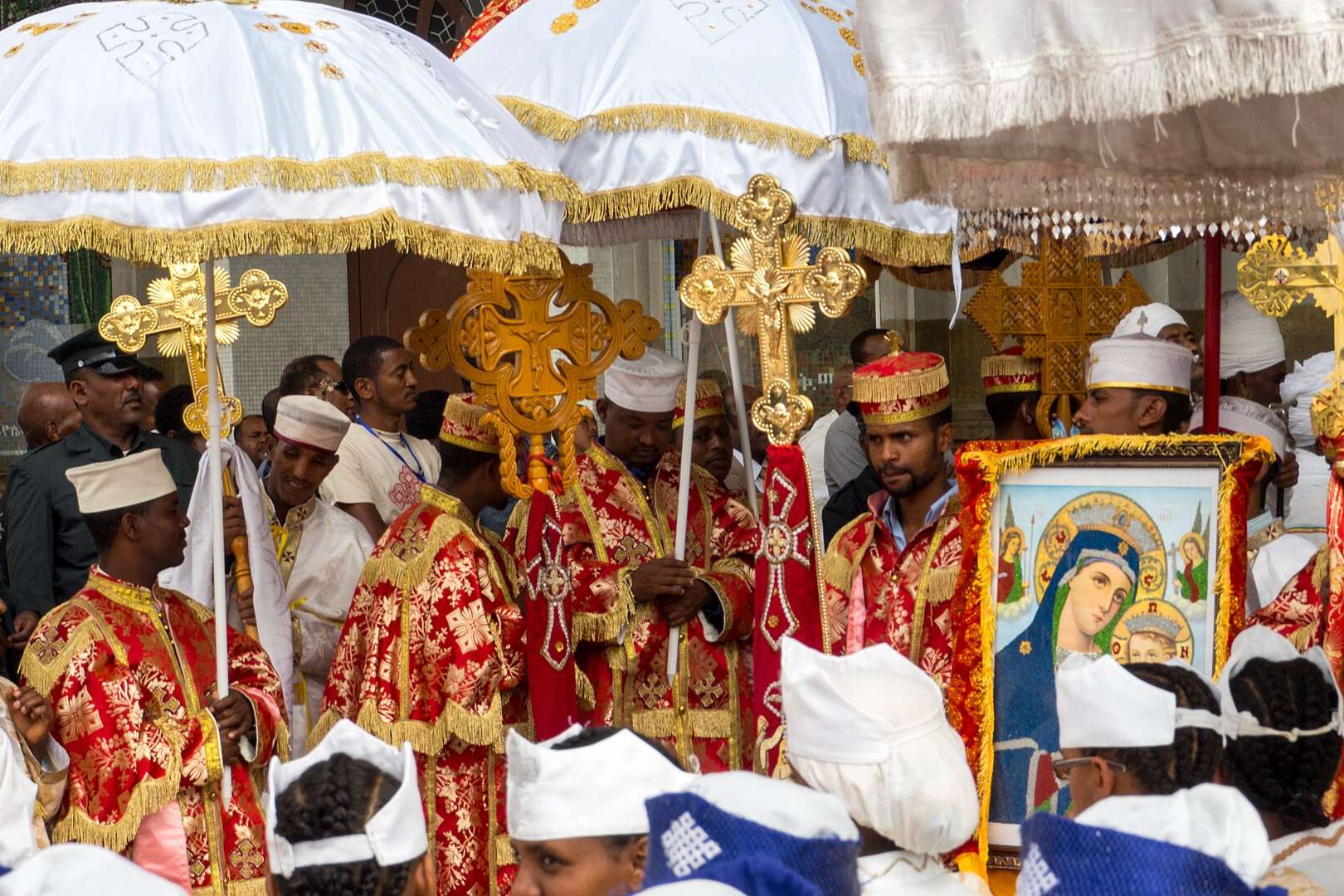
December and January are the heart of Ethiopia's dry season. In Addis Ababa, days average about 23–24°C with clear skies and rain on only one to three days a month, while nights drop to about 7–8°C. Genna (Ethiopian Christmas) falls on Thursday 7 January 2027 and Timkat on Tuesday 19 January 2027, with its eve, Ketera, on 18 January; Addis Ababa is the easiest place to see both right now. It is peak season, so book flights and hotels early.
Updated Oct 2026 · 7 min
 Ethiopia
Yes, almost every visitor needs a visa for Ethiopia; only Kenyan and Djiboutian passport holders are visa-exempt. The safest route is the official e-visa at evisa.gov.et: as of October 2026 it costs US$62 for a 30-day single-entry tourist visa, normal processing takes 3 days, and your passport must be valid for at least 6 months. A tourist visa on arrival at Bole exists for listed nationalities, but applying online before you fly is strongly advised.
Updated Oct 2026 · 6 min
 What to expect
Sometimes, usually in specific regions rather than nationwide. The latest disruption was in Tigray, confirmed on 25 September 2026 as fighting resumed there; one local outlet reported phone and internet back in Mekelle on 4 October, but much of Tigray was still described as disrupted, and Addis Ababa was not reported cut off (as of 10 October). Past examples include Tigray during the 2020–2022 war, mobile internet in most Amhara cities from August 2023 to July 2024, and a nationwide block on major social media platforms from February to July 2023. Cuts can come without notice, so keep tickets, bookings and maps saved offline.
Updated Oct 2026 · 7 min
 What to expect
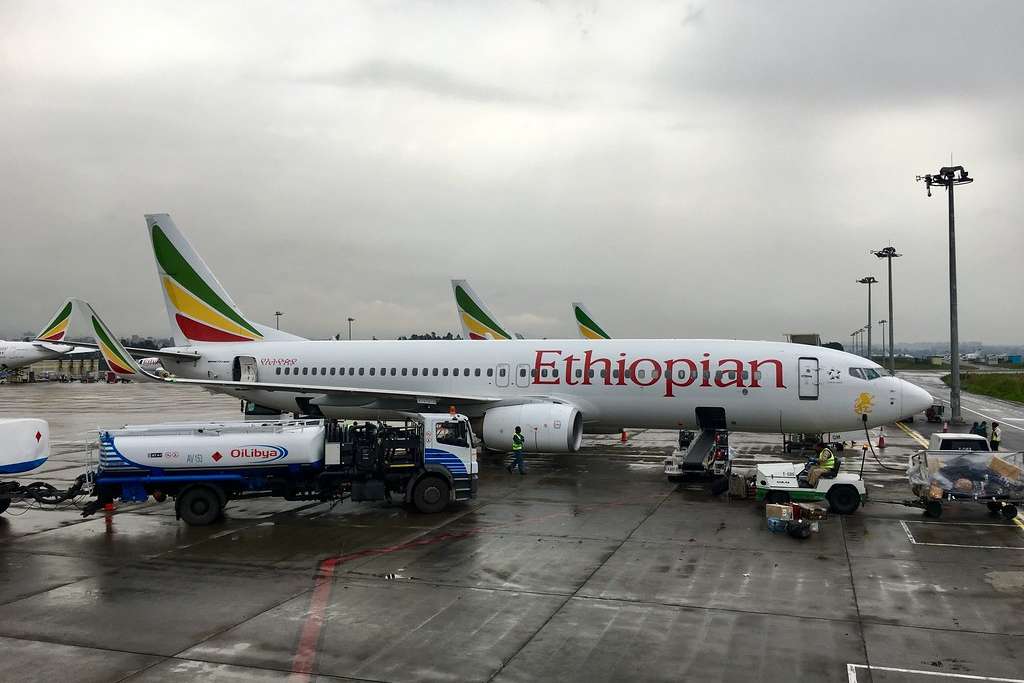
Ethiopian Airlines runs Ethiopia's scheduled domestic flights, from Terminal 1 at Addis Ababa Bole airport to about two dozen towns, including Dire Dawa, Hawassa and Arba Minch. Arrive at least an hour before a domestic departure, and keep economy cabin bags to 7 kg. As of 10 October 2026, flights to Axum, Shire and Lalibela in the north are suspended, and Ethiopian Airlines says Mekelle flights restart on 11 October.
Updated Oct 2026 · 7 min
 Ethiopia
With 10 days in Ethiopia right now, combine Addis Ababa, Bishoftu's crater lakes, the Rift Valley lakes, Hawassa and Arba Minch, then fly back to Addis from Arba Minch. With two weeks, slow the pace and add the Bale Mountains or more time by the lakes. The north, including Lalibela, Gondar and the Simien Mountains, isn't on the list this autumn because official advice warns against all travel to Amhara and Tigray (checked 10 October 2026).
Updated Oct 2026 · 6 min
 Ethiopia
A good 7-day Ethiopia itinerary right now is three nights in Addis Ababa, a night at Bishoftu's crater lakes about 50 km away, then a drive south past Lakes Ziway and Langano to Hawassa for two nights, and back to Addis for your flight. The north, including Lalibela, isn't on the list this autumn: official advice warns against all travel to Amhara, and Lalibela flights were suspended on 24 September 2026.
Updated Oct 2026 · 7 min
 Compare
You can reach Hawassa from Addis Ababa by car (about 4½–5 hours of driving on the A7), by long-distance coach (about 5–6 hours, leaving around dawn), or by Ethiopian Airlines (about 1 hour in the air, roughly 3–4 hours door to door). As of October 2026, booking sites showed bus seats at about US$5–23 and one-way flights at about US$80–120. A car with a driver goes hotel to hotel and can stop at the Rift Valley lakes; travel by day only.
Updated Oct 2026 · 7 min
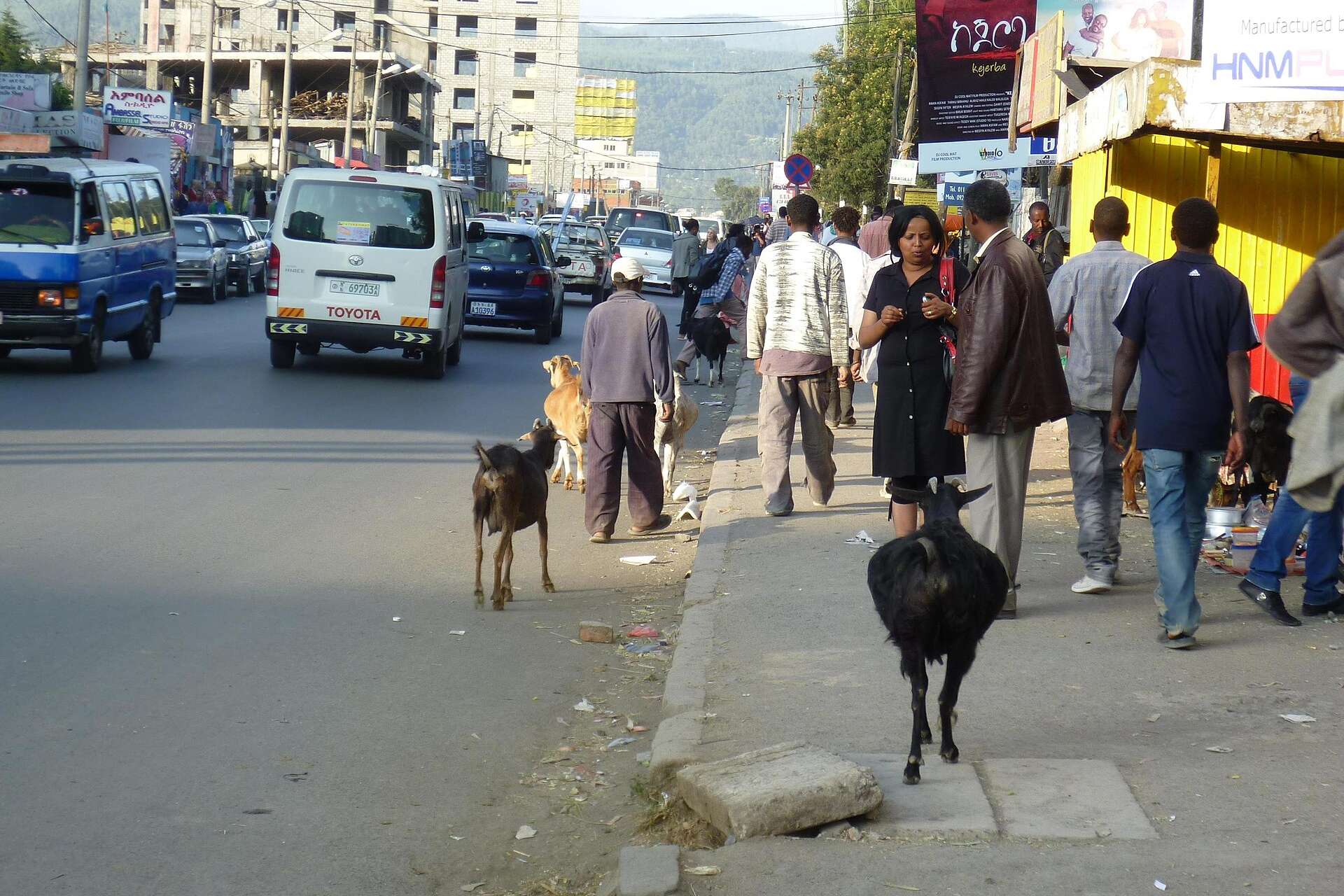 Bole airport
As of October 2026, our drivers at Bole see airport taxis ask foreigners about US$30–60 (roughly 4,800–9,700 birr) for the ride into Addis Ababa, at the higher end at night, and visitor reports describe kerbside drivers opening at 2,000 birr or more even for short hops. A ride app (RIDE or Feres) costs about 400–1,200 birr (US$3–8), but it needs an Ethiopian SIM card registered with your passport. There is no published official taxi tariff. A pre-booked whole-car pickup with Ethiopia Driver starts from $30 per car, agreed before you fly.
Updated Oct 2026 · 8 min
Is it safeYes. RIDE, Feres and Yango are generally safe for visitors in Addis Ababa: you see the driver, car and plate before you get in, the trip is tracked, and the price is shown in the app. As of October 2026 the practical hurdles are bigger than the safety ones: a local SIM makes sign-up and driver calls easier, drivers often phone in Amharic, cash in birr is the payment that always works, and fewer cars run late at night. Always match the plate and never accept a substitute car.
Updated Oct 2026 · 7 min
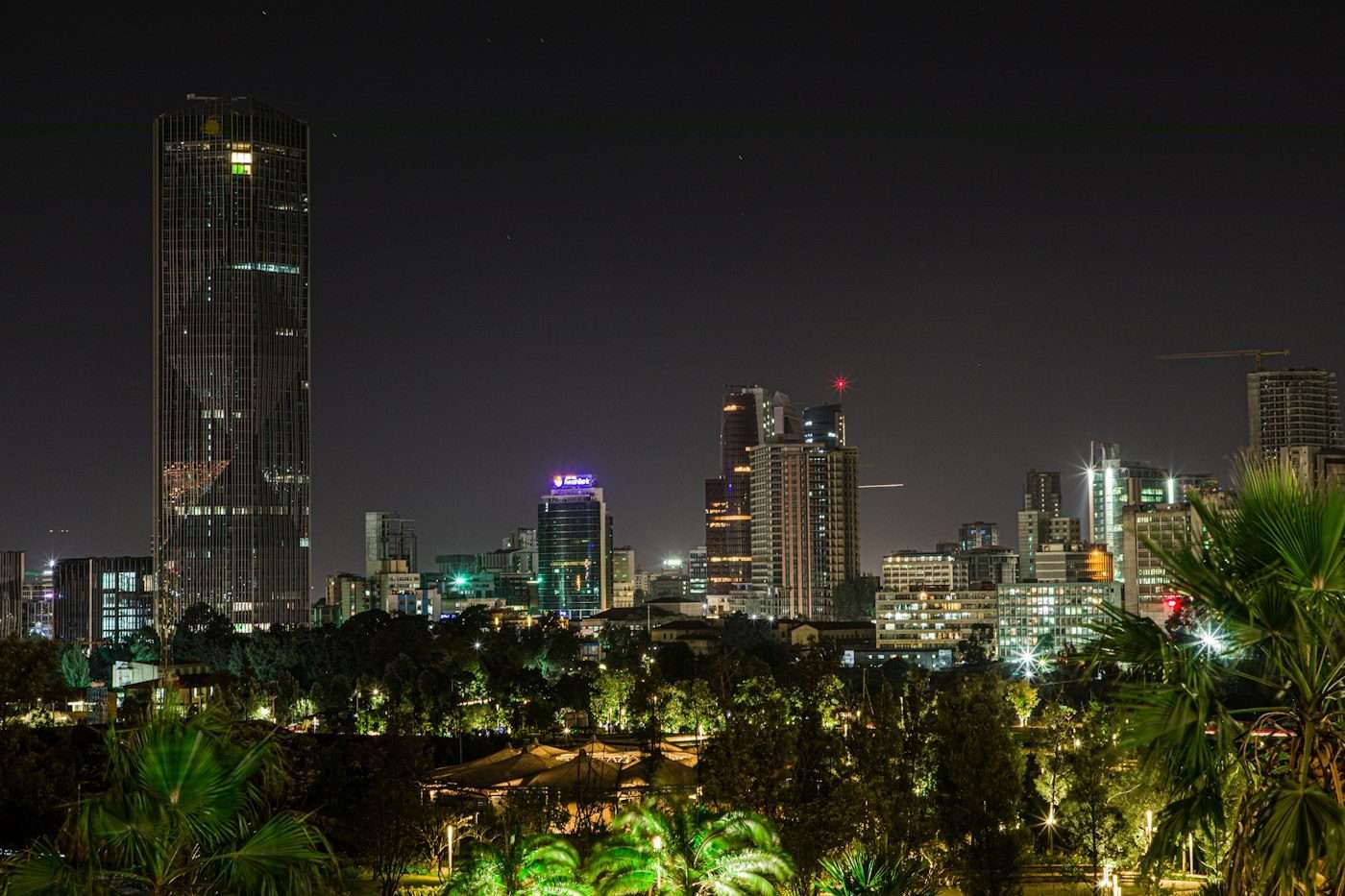 Bole airport
If you land in Addis Ababa at 2 am, the safest way to your hotel is a ride you booked before you flew: a private driver or your hotel's pickup waiting outside arrivals with your name. Bole is busy through the night and has banks, ATMs and telecom desks inside, but ride-app drivers thin out late and you may not have a working SIM yet. Don't walk, don't take a kerbside taxi without an agreed price, and leave any drive out of Addis until the next morning.
Updated Oct 2026 · 8 min
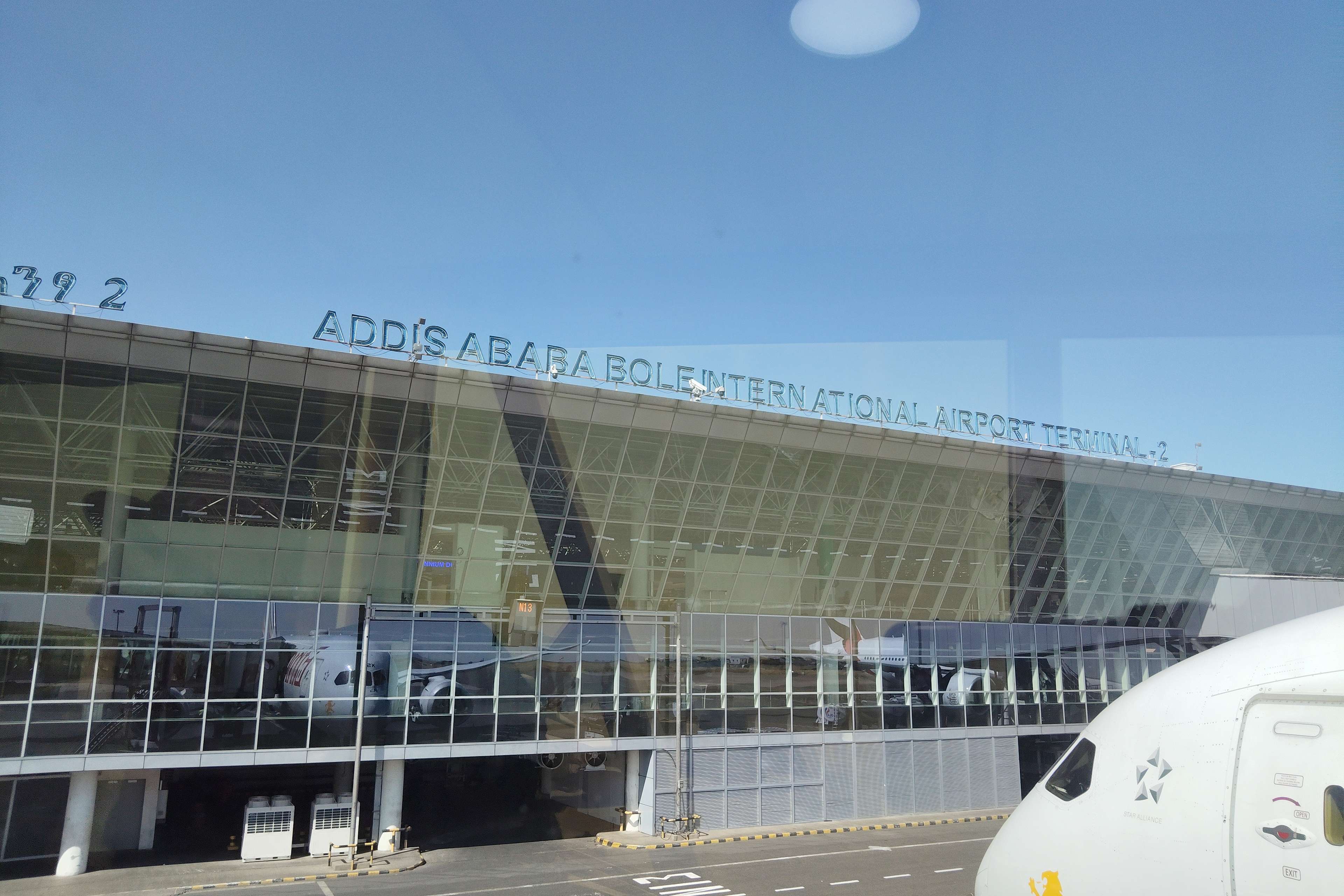 Bole airport
International flights land at Terminal 2 of Addis Ababa Bole airport. You go through the visa desk (have your eVisa printed), immigration, baggage claim and customs, then find bank counters, ATMs and SIM desks in the arrivals hall before you exit. As of October 2026 the official tourist eVisa costs US$62 for 30 days. People meeting you wait outside the terminal, and the city centre is about 6–8 km away.
Updated Oct 2026 · 9 min
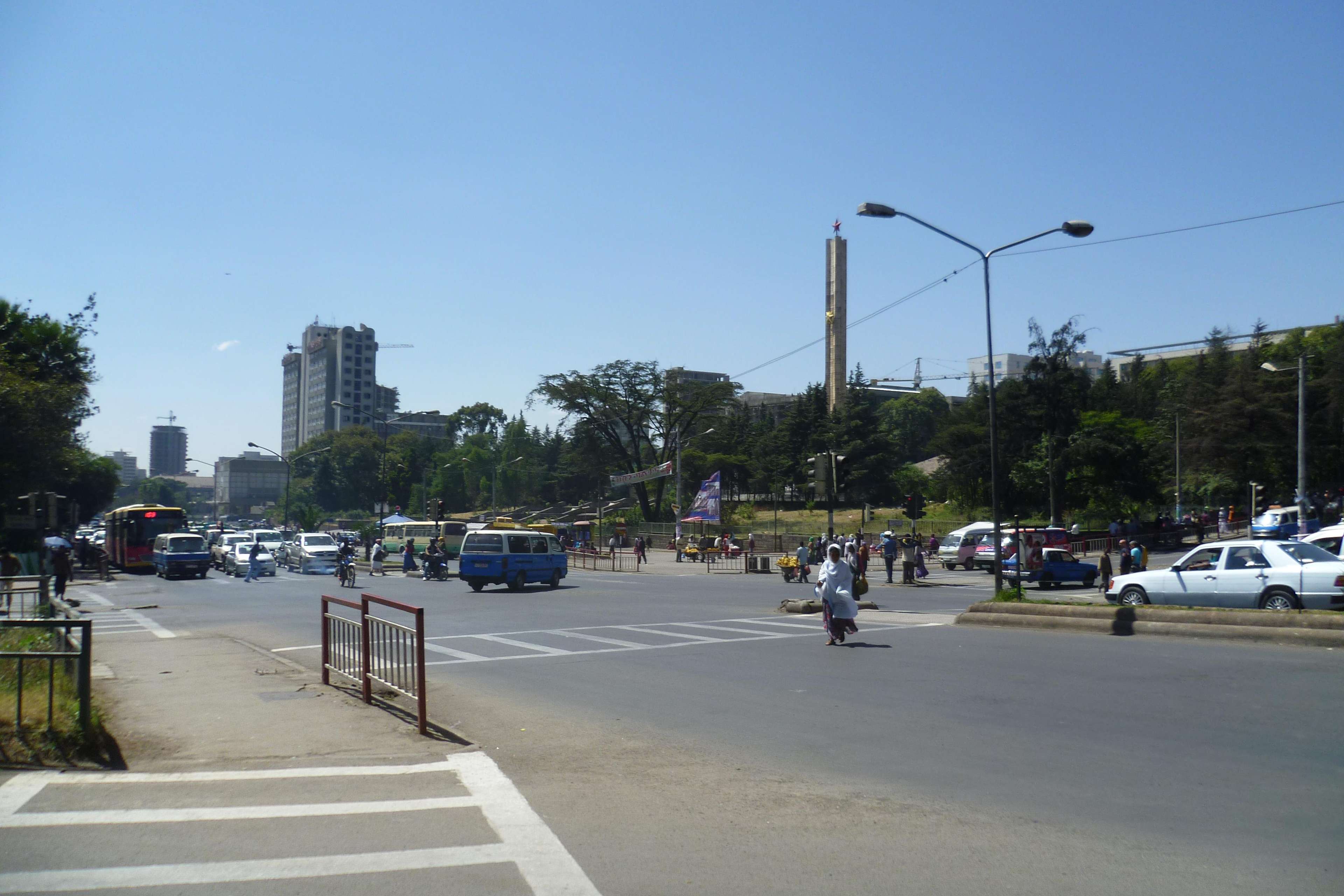 Ethiopia
In Addis Ababa a car with a driver is priced per car, not per person. As of October 2026, our driver around Addis for up to about 10 hours starts from $75 per day, a Bole airport pickup from $30 per car, a Bishoftu day trip from $80 per car, and Addis to Hawassa from $150 per car one way. Your exact price is confirmed in your quote, which includes fuel, tolls, parking and the driver's food and lodging.
Updated Oct 2026 · 7 min
 Compare
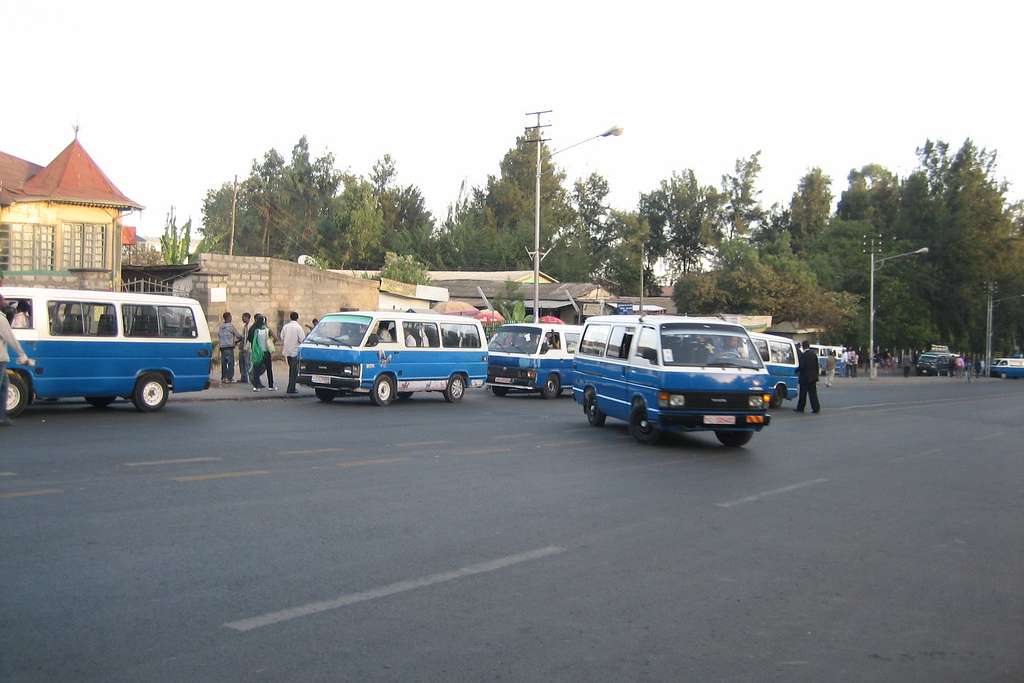
As of October 2026, the easiest way to get around Ethiopia is to fly Ethiopian Airlines for long distances and use a car with a driver on the road. Uber doesn't operate in Ethiopia; in Addis Ababa, local apps (RIDE, Feres, Yango) work for short trips. Long-distance coaches are cheap but leave at dawn and don't run after dark, self-drive is rare, and travel to the north (Amhara, Tigray) isn't advised right now.
Updated Oct 2026 · 8 min
 Is it safe
Yes for most of the places visitors go, as long as you choose your regions. As of 10 October 2026, Addis Ababa is calm and busy with ordinary life, and Bishoftu, the Rift Valley lakes, Hawassa and Arba Minch are open; we drive these roads regularly, by day. Travel isn't advised right now to the north (Amhara, including Lalibela, Gondar, Bahir Dar and the Simien Mountains; Tigray; and Afar, including the Danakil) or to border areas. In the cities, the everyday risks are petty theft and being out on foot after dark.
Updated Oct 2026 · 8 min
 Ethiopia
Visitors can bring personal belongings into Ethiopia duty-free, including up to 2 litres of alcohol, 500 ml of perfume, two mobile phones, one laptop and one camera, under the Ministry of Finance's personal-use directive. You may carry no more than 3,000 birr in or out, and declaring foreign cash above USD 10,000 on arrival is the safe choice. Drones, satellite phones and binoculars need prior approval and can be confiscated without it. Rules as of September 2026; check before you fly.
Updated Oct 2026 · 7 min
Is it safeYes. Official travel advice does not say tourists are targeted because of their race, and most visitors find Ethiopians warm and curious. White, Asian and other visibly foreign travellers mainly deal with attention, children calling out "ferenji" (foreigner), higher "foreigner prices" and pickpocketing in crowded places. As of 8 October 2026, official advice warns against travel to Amhara (including Lalibela), Tigray and other conflict areas; Addis Ababa and the south are open.
Updated Oct 2026 · 7 min
What to expectNo. As of October 2026, neither Uber nor Bolt operates in Ethiopia. In Addis Ababa, use local apps instead: RIDE (phone booking 8294), Feres (6090) or Yango. You'll need mobile data, ideally a local SIM so drivers can call you, and small birr notes, as cash is the safest fallback. For night arrivals, full days and trips out of the city, a pre-booked driver is usually easier.
Updated Oct 2026 · 7 min
 Compare
A private driver in Ethiopia is usually priced per car, not per person, and the price depends on distance, fuel, the number of days, the type of car and whether the driver must drive back empty. Our starting prices are from $30 per car for a Bole airport pickup, from $75 per day for a full day in Addis and from $150 per car one way to Hawassa; the exact price is confirmed in your quote. Booking sites listed private airport transfers from about $55 and full-day guided city tours from about $160 in October 2026.
Updated Oct 2026 · 8 min
 Ethiopia
Book through a hotel, a licensed tour operator or a well-reviewed driver service, and get a written fixed quote that says whether fuel, tolls, parking and the driver's meals and lodging are included. Ask for the driver's name and number plate before the day, check every seat has a seatbelt, and avoid large prepayments to anyone you cannot verify. Plan long drives to arrive before dark, and check current travel advice: parts of the north, including Lalibela, are under 'all travel' warnings as of October 2026.
Updated Oct 2026 · 10 min
 How long
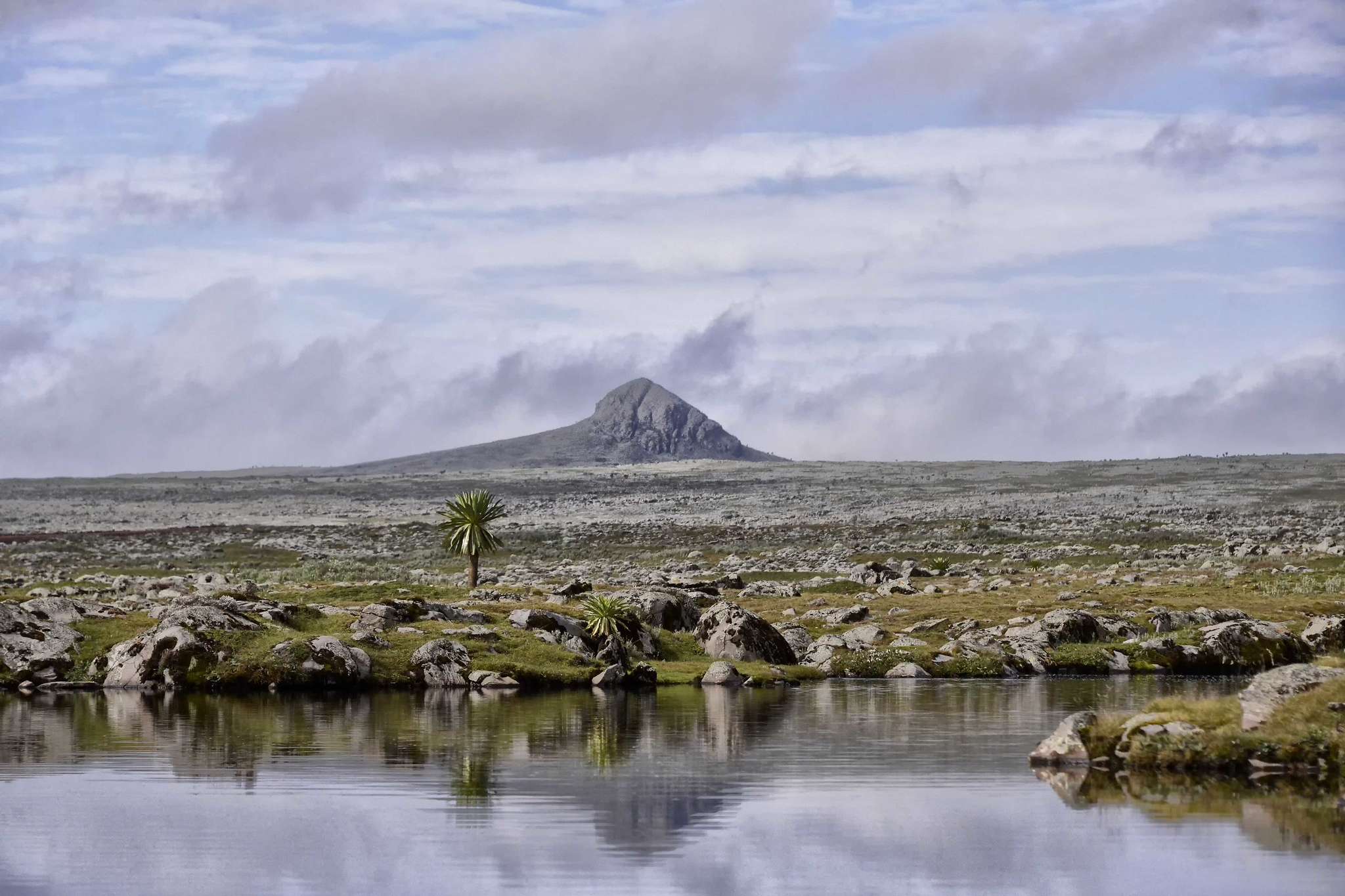
Bale Mountains National Park is about 400 km south-east of Addis Ababa. By road it takes around six to seven hours to the park headquarters at Dinsho, or you can fly with Ethiopian Airlines to Robe (Goba) airport, about 30–40 minutes' drive from Dinsho. The park, a UNESCO World Heritage Site since 2023, protects the world's largest area of Afro-alpine habitat, the Sanetti Plateau, over half of the world's Ethiopian wolves, mountain nyala and the Harenna Forest.
Updated Oct 2026 · 6 min
 How long
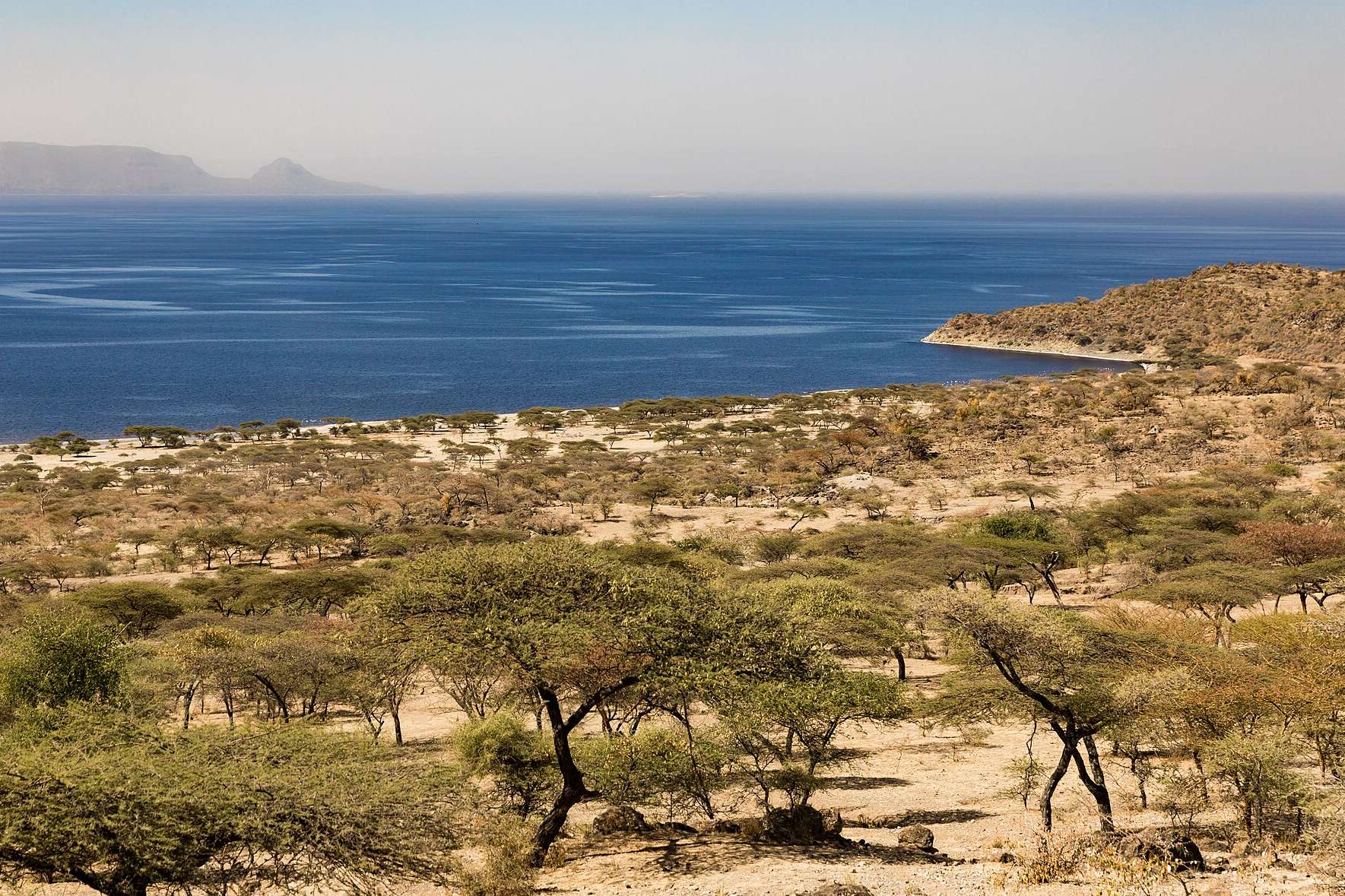
Lake Ziway, Lake Langano and Abijatta-Shalla National Park line the main road south from Addis Ababa to Hawassa. Ziway is about 160 km from Addis, roughly two and a half hours by car, and Langano and Abijatta-Shalla are around 200 km away. Ziway is known for pelicans, marabou storks and fish at its jetty, Langano for its brown, swimmable water, and Abijatta-Shalla for flamingos and hot springs. Most people see them as stops on the way to Hawassa, and official advice varies for areas off the main road.
Updated Oct 2026 · 6 min
 What to expect
Yes, Ethiopia can be a rewarding family trip if you keep it to Addis Ababa and the lakes to the south and plan for health and long drives. Children tend to enjoy Unity Park's zoo and the Science Museum in Addis, the crater lakes and water park at Bishoftu, and the monkeys, hippos and fish market at Hawassa. See a travel clinic early: yellow fever vaccine is recommended from 9 months, and malaria tablets are advised for areas below 2,500 m.
Updated Oct 2026 · 5 min
 Ethiopia
No, not for everyday things: local food, coffee and most day-to-day spending are cheap for visitors paying with dollars, pounds or euros, especially since the birr was floated in July 2024 and fell to more than three times weaker against the US dollar by late 2025. What costs more is anything priced for foreigners: international-style hotels, imported goods, foreigner entry fees and domestic flights bought without an Ethiopian Airlines international ticket. The 30-day tourist e-visa is US$62 (official site, September 2026).
Updated Oct 2026 · 5 min
 What to expect
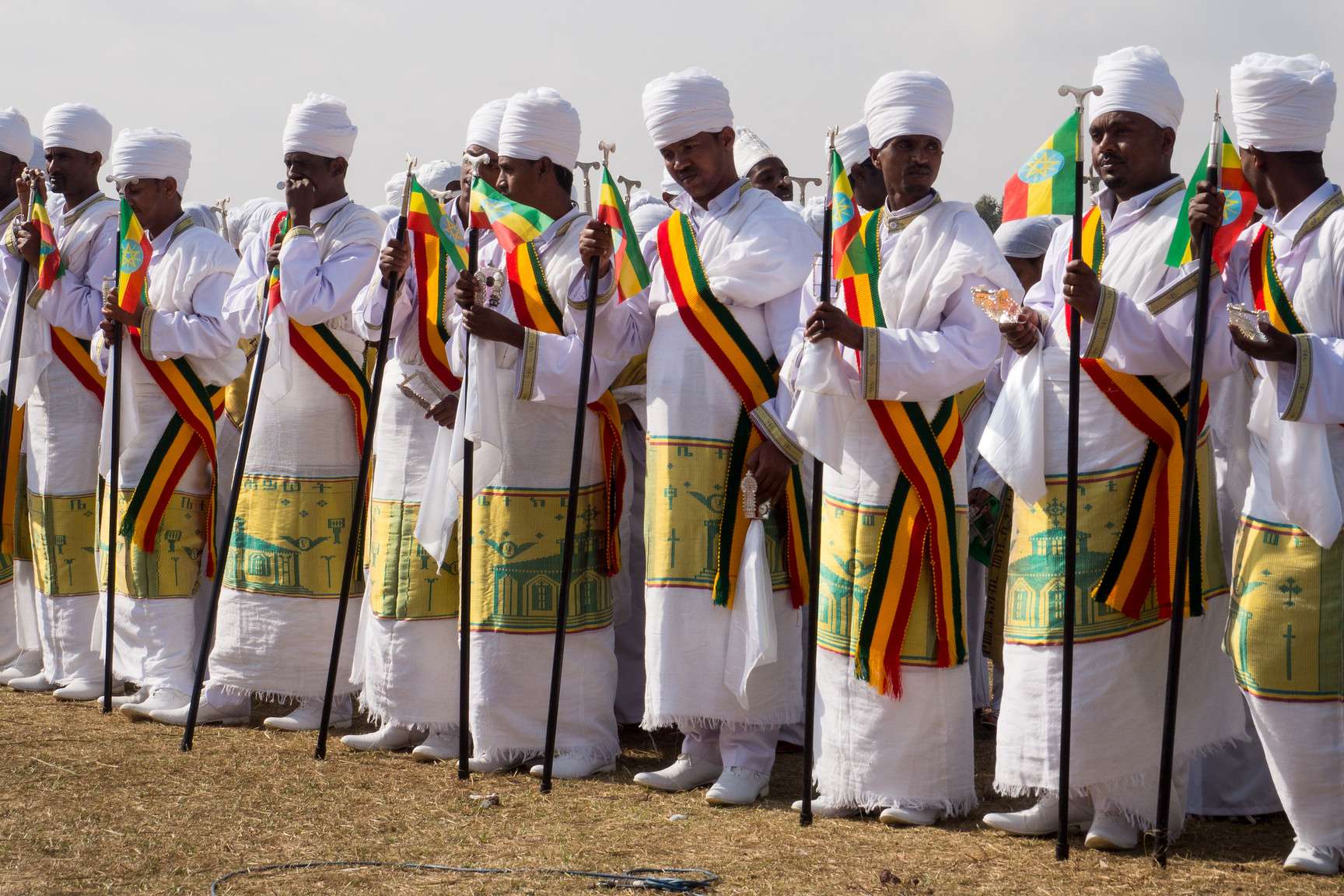
Habesha kemis is the traditional Ethiopian women's dress: a long, usually white dress of handwoven cotton (shemma) with a colourful woven border called tibeb along the hem, cuffs and neckline, normally worn with a light shawl called a netela. It is worn for church, weddings and holidays such as Timkat, Genna and Fasika. In Addis Ababa the main place to buy one is Shiro Meda market at the foot of the Entoto hills, where hundreds of stalls sell dresses, shawls and gabi blankets and bargaining is expected.
Updated Oct 2026 · 7 min
What to expectEthiopia has around 90 living languages. Amharic is the national lingua franca and the language you will hear most in Addis Ababa, while Afaan Oromo has the most native speakers (about a third of the population in the 2007 census). Tigrinya, Somali and Afar are major regional languages, and since 2020 all four sit alongside Amharic as federal working languages. English is the main foreign language, taught in schools and used in hotels, airlines and business.
Updated Oct 2026 · 7 min
 Bole airport
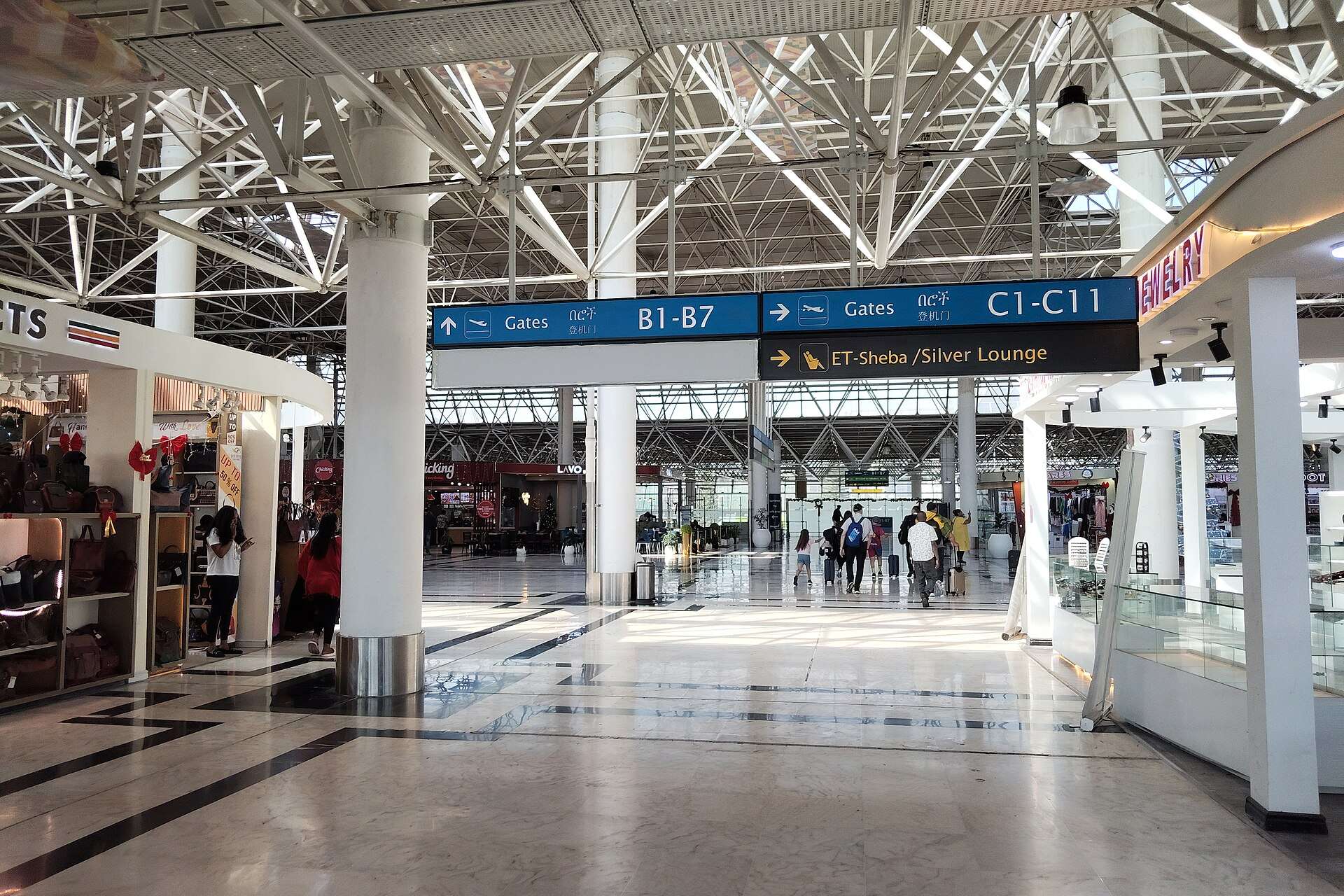
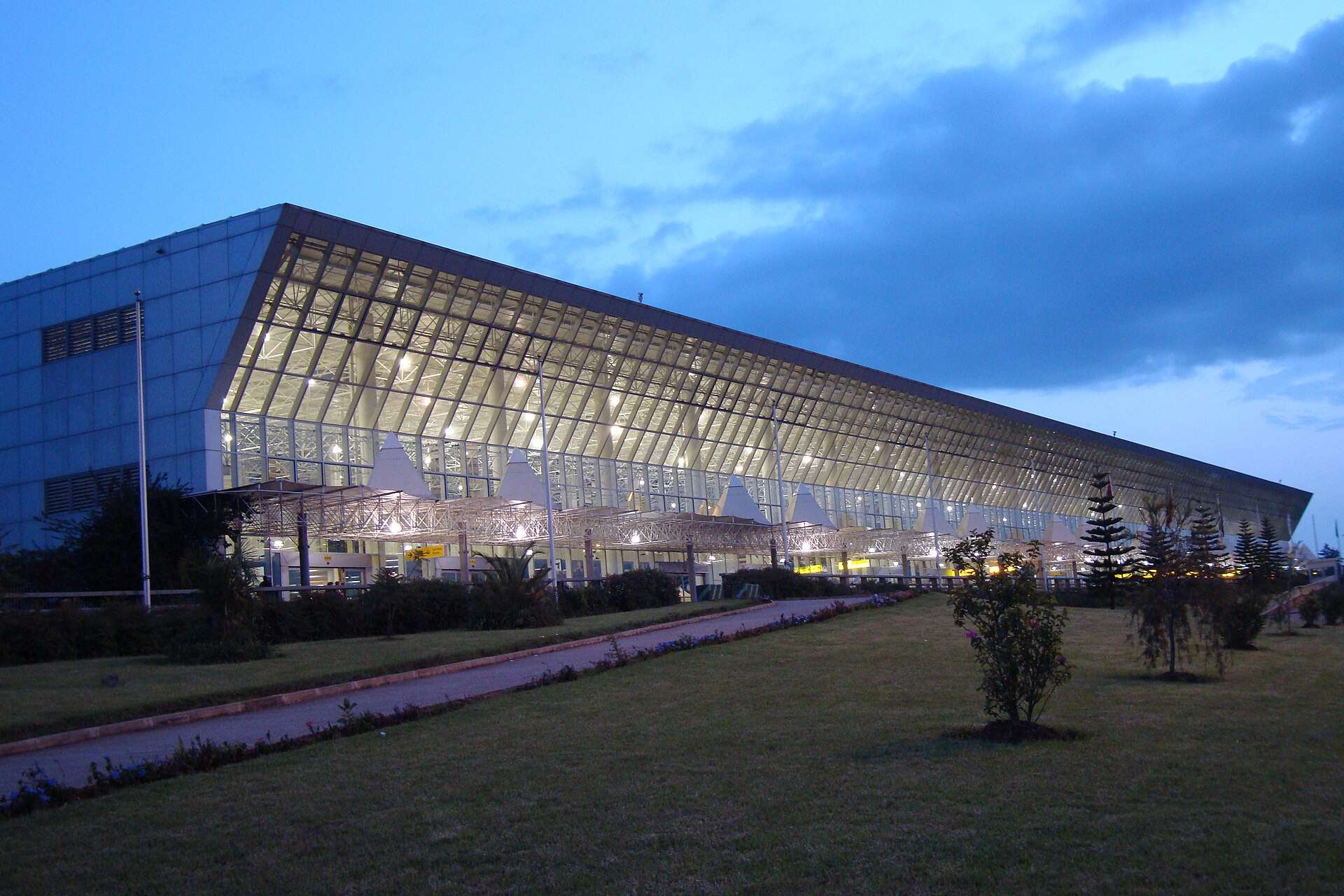
Addis Ababa Bole International Airport has four lounges in Terminal 2, the international terminal: Ethiopian Airlines' Sheba Cloud Nine business lounge and its Platinum & Star Alliance Gold lounge (both opposite Gate A13, open 24 hours), a ShebaMiles Silver lounge, and the pay-per-use Plaza Premium Lounge near Gates A6 and A7, also open 24 hours and open to Priority Pass members. Terminal 2 also has duty-free shops, cafés and restaurants, free Wi-Fi, banks and ATMs, pharmacies and the Ethiopian Skylight in-terminal hotel. Domestic flights use Terminal 1, which has its own Ethiopian Airlines lounge.
Updated Oct 2026 · 7 min
 When to go
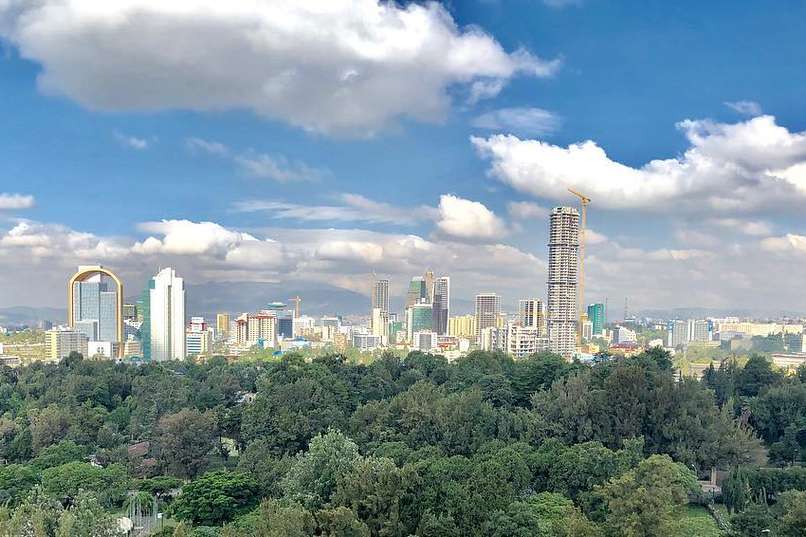
Addis Ababa is mild all year because it sits at about 2,355 m: daytime highs are usually 21–26°C and nights drop to about 7–12°C. The main rains fall from June to September, with rain on most days in July and August, while November to January is dry and sunny with cold nights. Pack layers whatever the month, and a proper rain jacket from June to September.
Updated Oct 2026 · 5 min
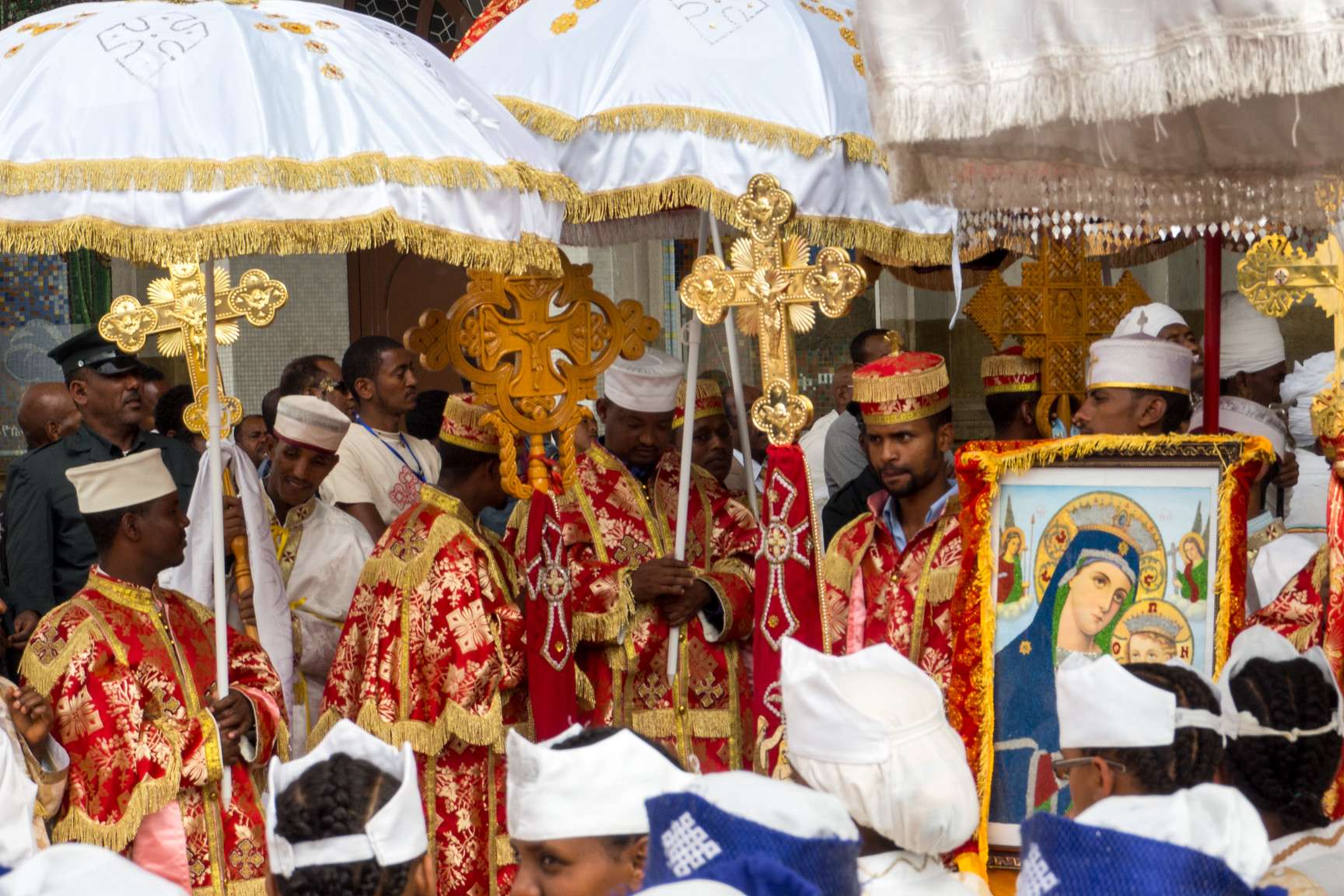 When to go
Ethiopia has 13 regular public holidays. In 2027 they are Genna (Christmas) on 7 January, Timkat on 19 January, Adwa Victory Day on 2 March, Eid al-Fitr around 9–10 March, Good Friday on 30 April, Labour Day on 1 May, Fasika (Easter) on 2 May, Patriots' Victory Day on 5 May, Eid al-Adha around 16–17 May, Derg Downfall Day on 28 May, Mawlid around 15 August, Enkutatash (New Year) on 12 September and Meskel on 28 September. The Islamic dates depend on the moon.
Updated Oct 2026 · 4 min
 How long
Arba Minch is roughly 450–500 km south of Addis Ababa by road, and the drive takes a full day: plan on about 8–10 hours with stops, leaving early to arrive before dark. Online route planners show around six and a half hours, but that leaves out towns, traffic, checkpoints and meal stops. Ethiopian Airlines flies Addis Ababa to Arba Minch in about an hour and ten minutes.
Updated Oct 2026 · 5 min
 What to expect
Possibly, but neither is designed for short visits. Telebirr (Ethio Telecom) and M-Pesa Ethiopia (Safaricom Ethiopia) are domestic wallets tied to a local SIM. A passport is among the accepted IDs for telebirr, but you load it with birr at an agent or from an Ethiopian bank account, not from a foreign card. A Kenyan M-Pesa account can send money to an Ethiopian M-Pesa wallet (since October 2024) but can't pay Ethiopian shops, so for most tourists cash plus a card for big hotels is simpler.
Updated Sept 2026 · 7 min
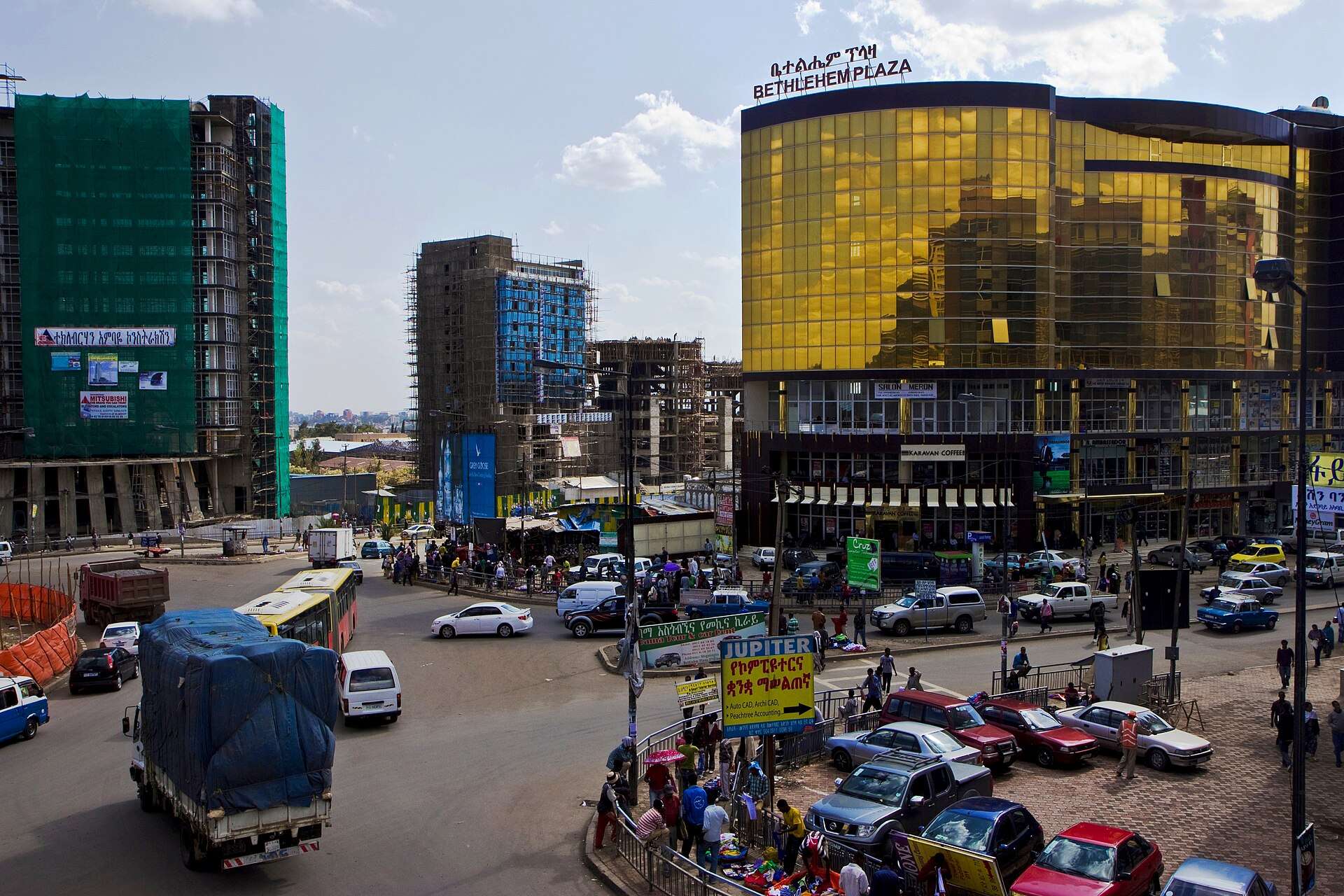 What to expect
Ethiopia runs mostly on cash in Ethiopian birr (ETB). Since the birr was floated on 29 July 2024, banks and licensed forex bureaus set their own rates, which move often and differ between banks, so check the National Bank of Ethiopia's indicative rate and your bank's board. Visa cards work in many ATMs in Addis Ababa and at larger hotels, but card acceptance is limited, especially outside cities. You may carry no more than 3,000 birr into or out of the country.
Updated Sept 2026 · 6 min
 Ethiopia
 uses its own calendar, which is seven to eight years behind the Gregorian one because its church dates the Incarnation of Jesus differently. The Ethiopian New Year, Enkutatash, fell on 11 September 2026 and began the year 2019, which runs until 11 September 2027. The year has 13 months: twelve of 30 days plus Pagume, a short month of five days, or six in a leap year such as 2019.
Updated Sept 2026 · 7 min
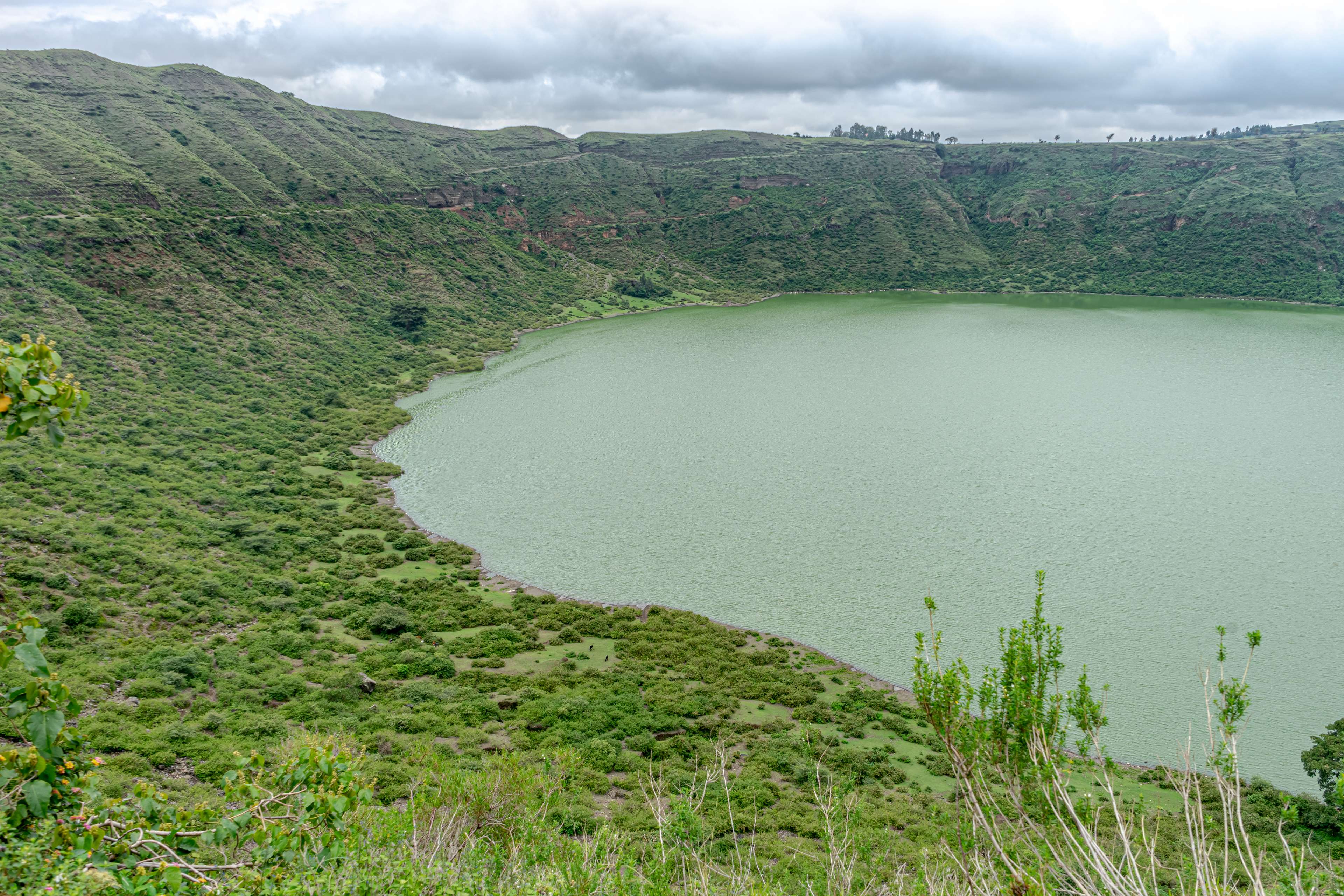 How long
Bishoftu (Debre Zeit) is about 45–52 km by road from Addis Ababa, depending on where you start. The toll expressway takes around 45–50 minutes in light traffic, but leaving Addis at busy times can add a lot more. The old road through Akaki and Dukem is about the same distance but usually slower. The expressway is the quicker, more predictable choice for most trips.
Updated Sept 2026 · 5 min
 Is it safe
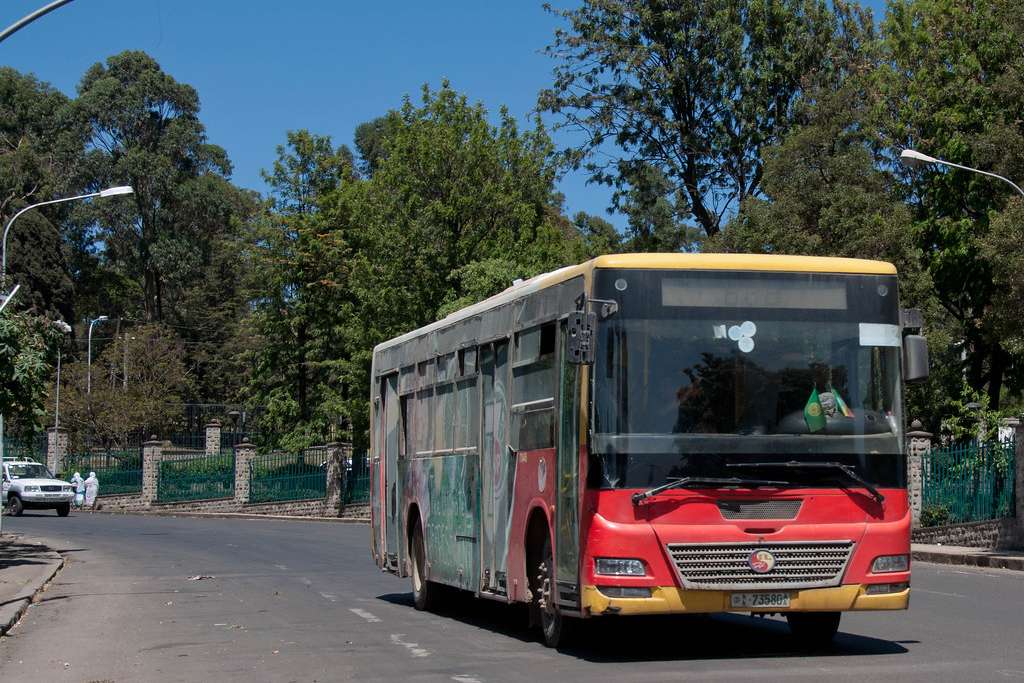
Long-distance buses are how many Ethiopians travel between cities. Coach companies such as Selam Bus and Golden Bus have fixed schedules and assigned seats and leave around dawn so they arrive before dark, while minibuses are more crowded and riskier. Official advice for visitors favours private transport from a reliable source over public buses, and for trips such as Addis to Bishoftu or Hawassa a whole car with a driver is the easier option.
Updated Sept 2026 · 5 min
 Compare
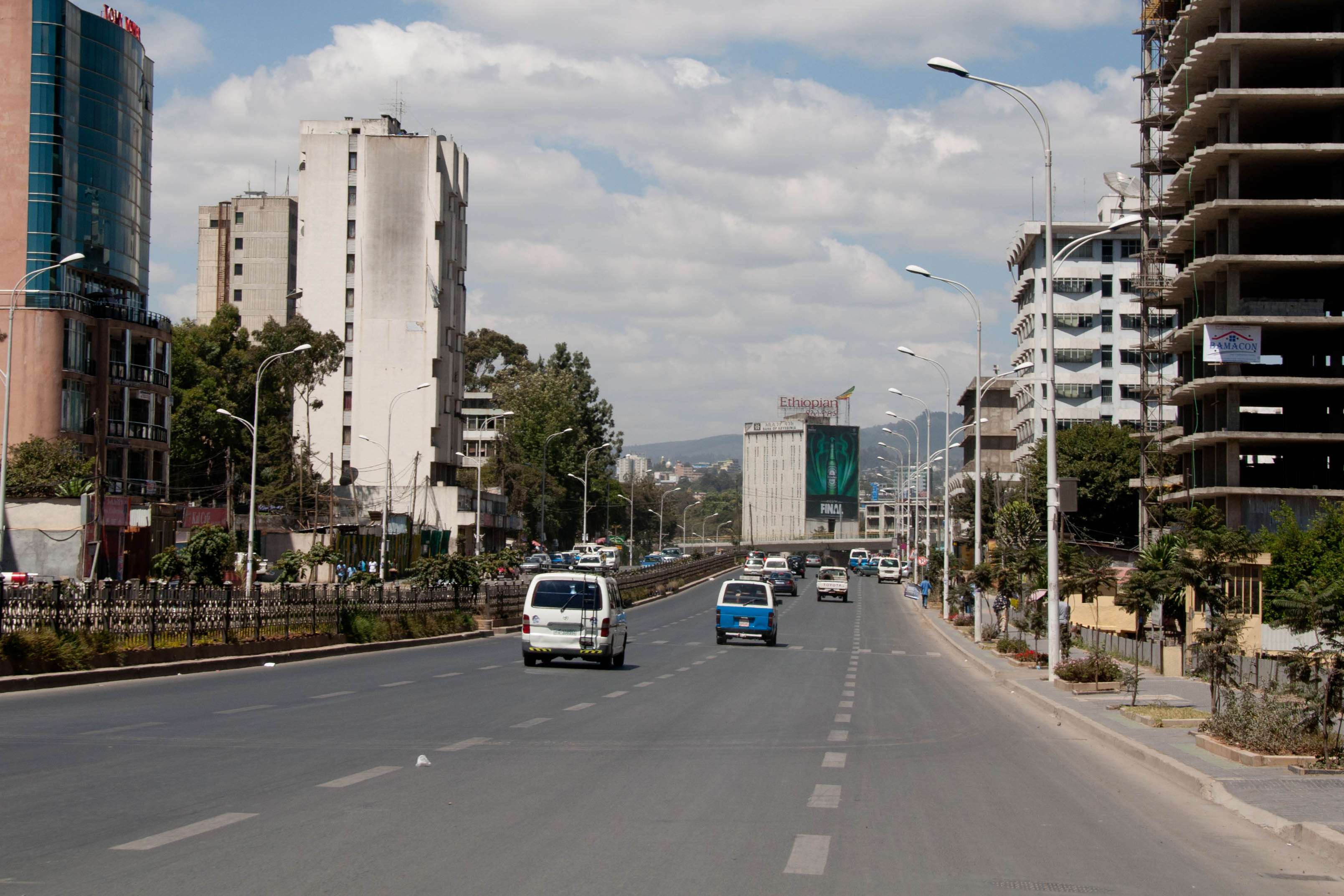
Hire a private driver if you want transport on your own schedule: airport runs, days around Addis Ababa, or trips to places like Bishoftu and Hawassa, while you plan the sightseeing yourself. Choose a licensed tour company for trips that need guides, permits, escorts, camping or complicated logistics, such as multi-day treks. As of 28 September 2026, travel to Amhara, Tigray and Afar isn't advised, so whoever you book should follow official advice for every stage of your route. Ethiopia Driver is a private driver service in Addis Ababa.
Updated Sept 2026 · 8 min
 Ethiopia
Tipping in Ethiopia is appreciated for good service but never compulsory. In hotels and restaurants used to tourists, check the bill first: some add a service charge (often 10%), and Ethiopia's standard VAT rate is 15%; where service isn't included, about 10% is a fair tip. In simple local eateries tipping isn't customary, though rounding up is welcome. Guides, porters, drivers and trekking crews are commonly tipped; hand it over directly, in birr, with your right hand.
Updated Sept 2026 · 6 min
 Ethiopia
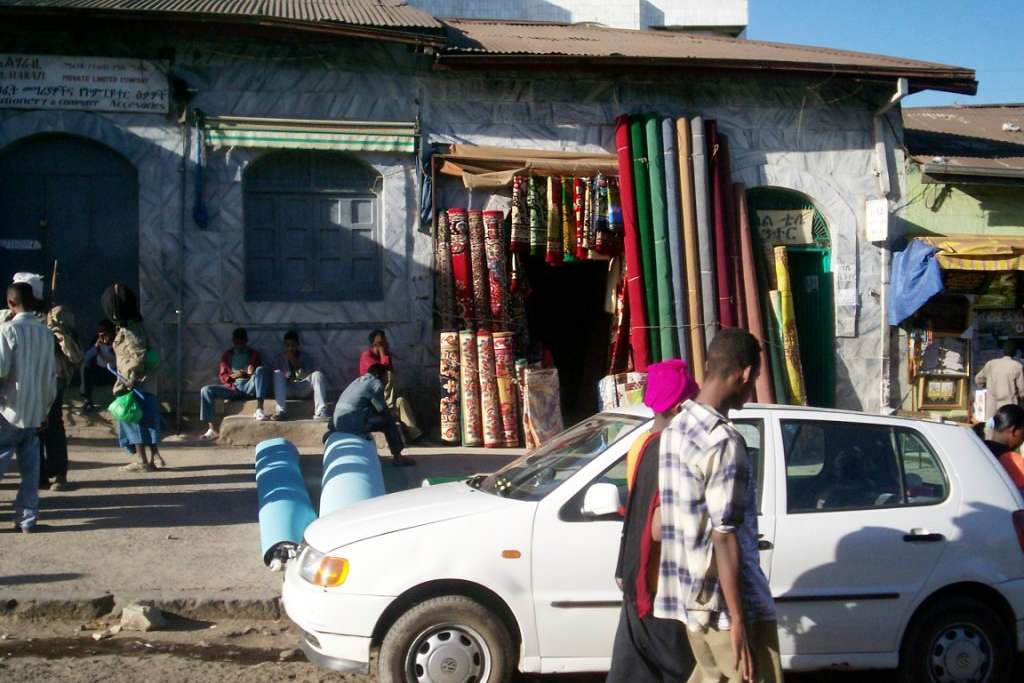
Good buys in Addis Ababa include handwoven cotton scarves, shawls and dresses from Shiro Meda market, fair-trade textiles from Sabahar, coffee (up to 2 kg per person when you leave), spices, baskets, leather goods and newly made crosses. Antiques, including old crosses and religious objects, need an export permit, and even new copies need a proper receipt and can still be confiscated. Ivory is illegal to buy or own, and khat cannot be taken out of the country.
Updated Sept 2026 · 6 min
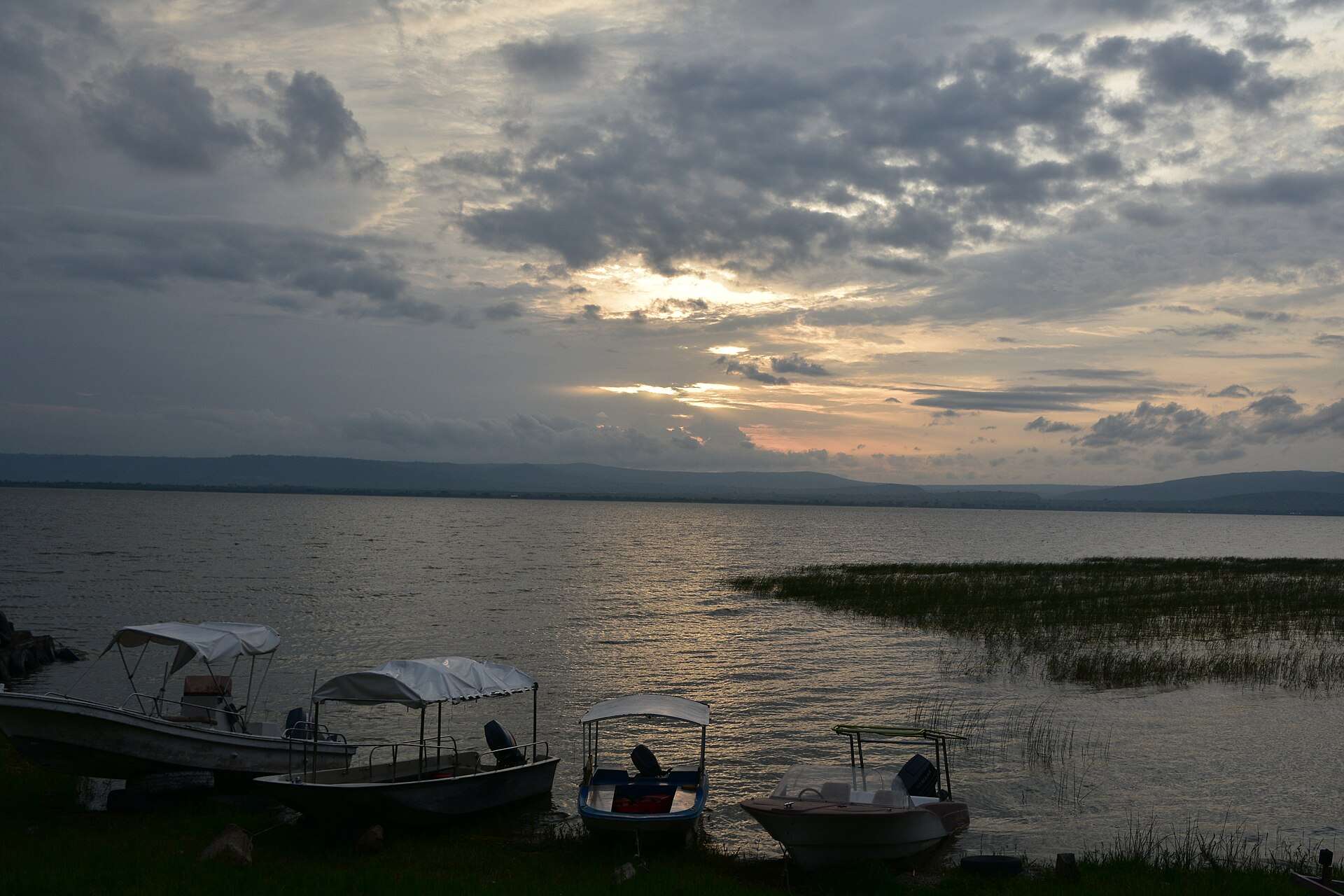 Ethiopia
No vaccine is required of every visitor. Ethiopia requires a yellow fever certificate only from travellers aged 9 months or older arriving from a country with yellow fever risk, or who transited for more than 12 hours through an airport in one. Yellow fever vaccination is still recommended for most itineraries, plus routine vaccines, hepatitis A and typhoid. Malaria risk is high below 2,000 m; Addis Ababa is generally considered free of it, but some guidance includes Addis in its tablet advice, so ask a travel clinic.
Updated Sept 2026 · 6 min
When to goFor most of Ethiopia the easiest time to travel is the dry season, roughly October to March. The main rains, kiremt, run from June to September and are heaviest in July and August, when Addis Ababa gets rain on most days. Addis sits at about 2,355 metres, so it stays mild all year, with average highs of roughly 21–26°C and cool nights. As of late September 2026, travel to parts of the north isn't advised, so for now the best-season question mostly applies to Addis Ababa, Bishoftu and Hawassa.
Updated Sept 2026 · 6 min
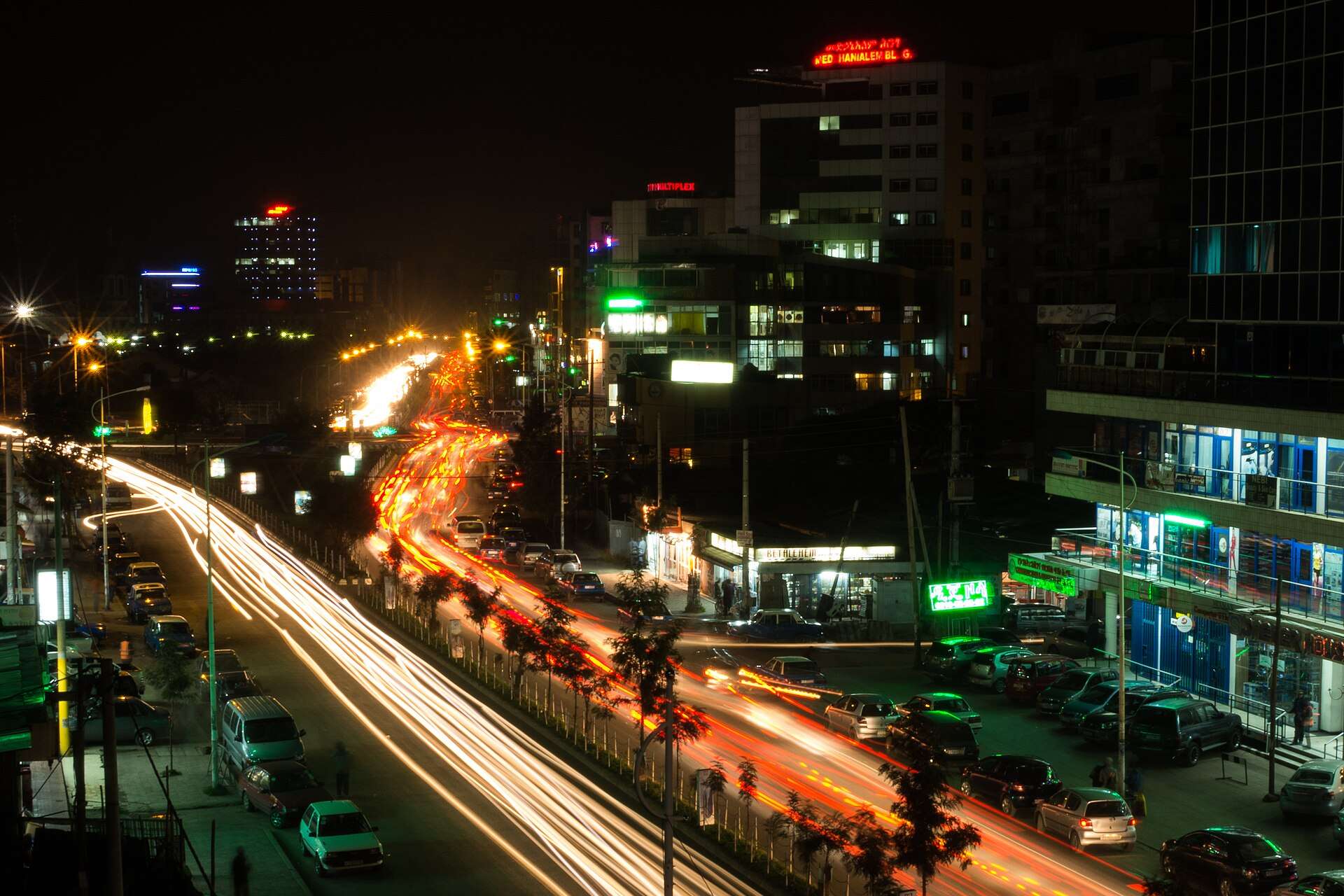 Compare
For most first-time visitors, Bole is the easiest place to stay in Addis Ababa: it surrounds the international airport and has the most hotels, restaurants and taxis. Kazanchis, between Bole and the old centre, is a business and diplomatic district; Piassa is the historic core, near the Adwa Victory Memorial and Merkato; Sarbet and Old Airport are quieter residential areas in the south-west, where the African Union has its headquarters. CMC, on the east side, is residential and far from most sights.
Updated Sept 2026 · 6 min
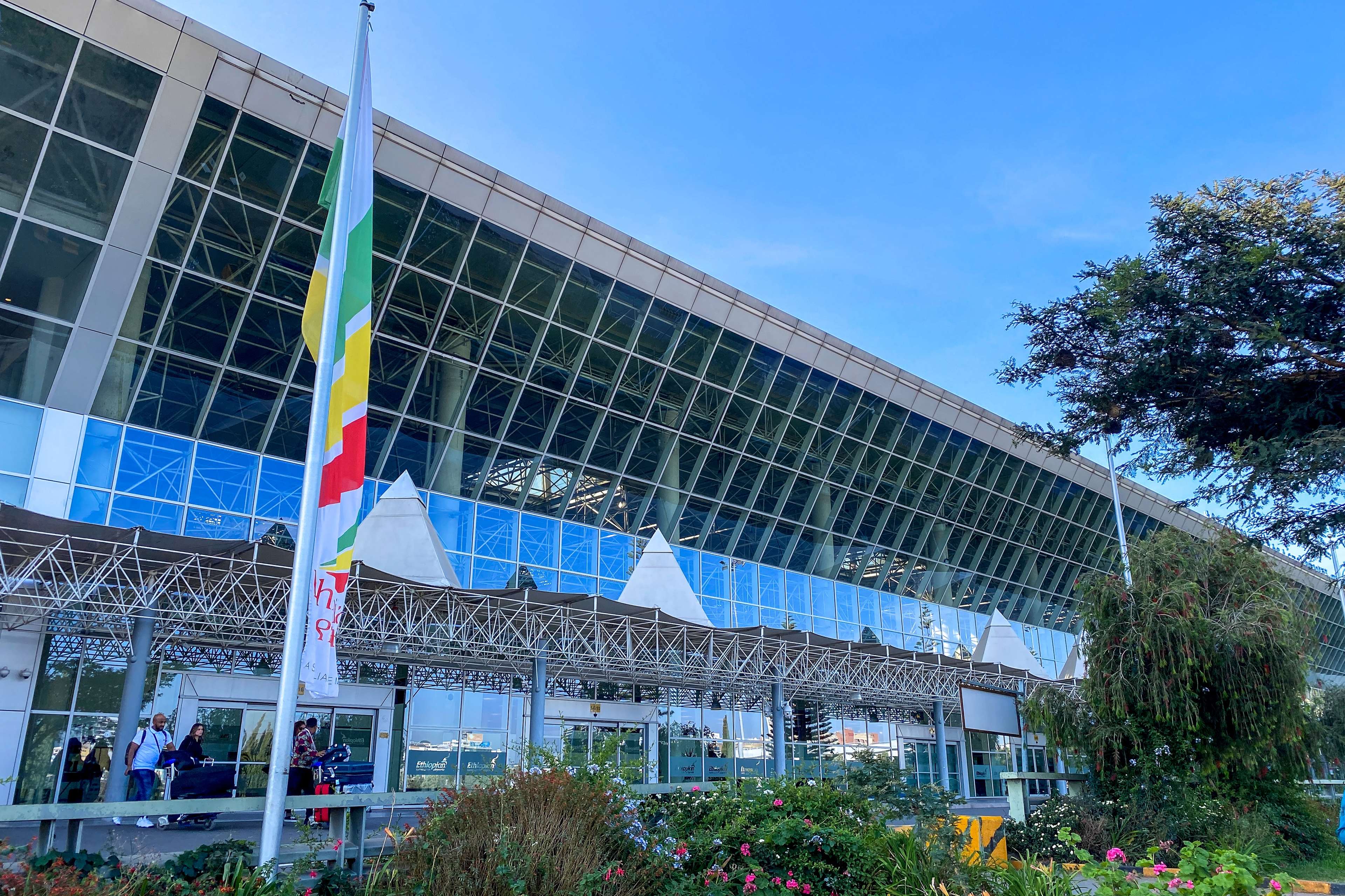 Bole airport
Yes, if you have the right visa. Staying in the international transit area at Bole needs no visa, but going into Addis Ababa means passing immigration with an e-visa, a visa on arrival (eligible nationalities only) or the transit visa Ethiopian Airlines generally arranges for its free stopover programme. That programme covers a hotel, meals and transfers when Ethiopian operates both flights on one ticket with an 8 to 24 hour connection. A 7-day visa-free stopover was approved in April 2026 but was not yet in force as of August 2026.
Updated Sept 2026 · 7 min
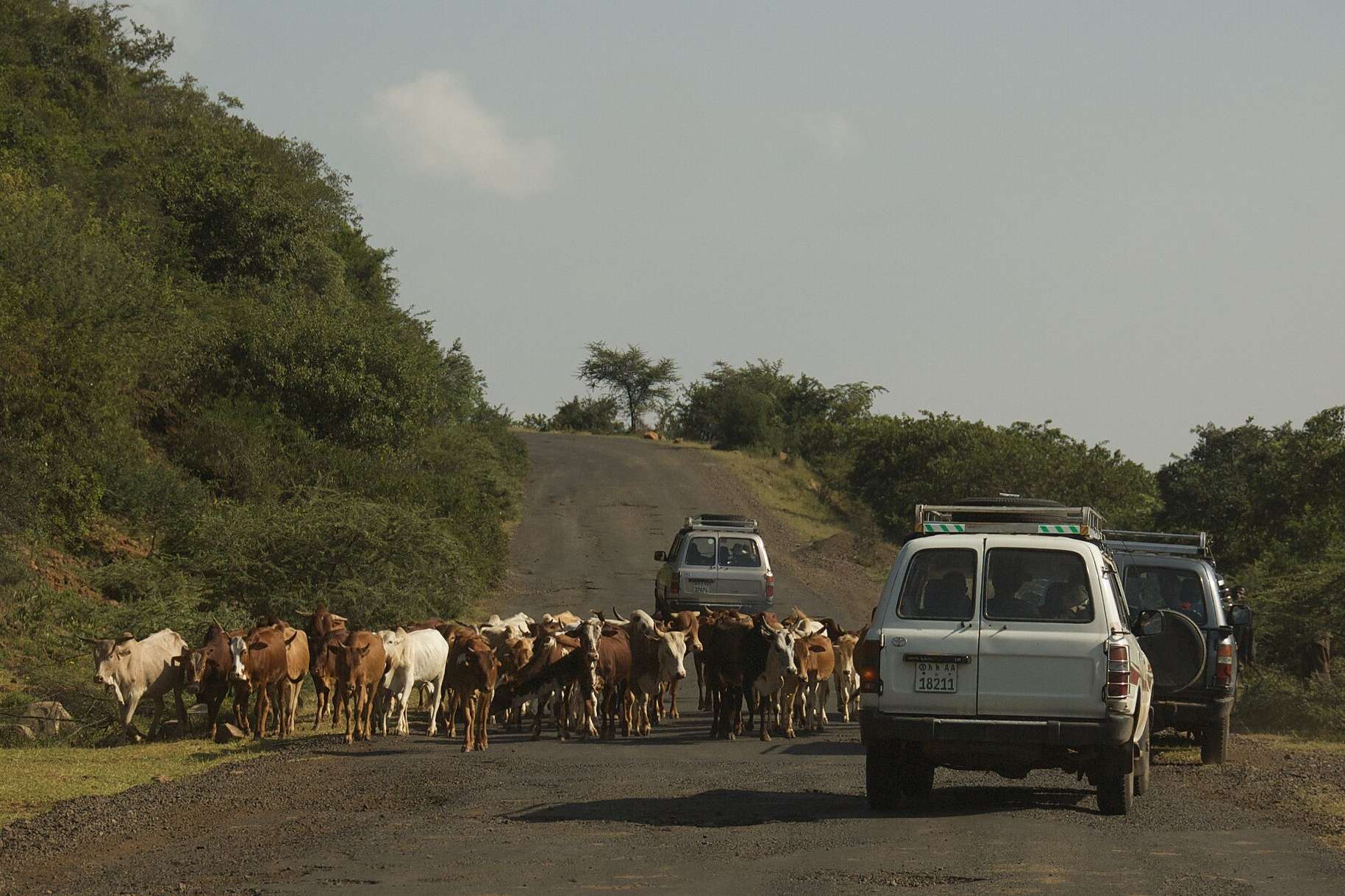 What to expect
Sometimes, for a short stay, but the licence rules are unclear: depending on your nationality, a foreign licence may be accepted for as little as two weeks, a licence plus an International Driving Permit for longer, or you may need an Ethiopian licence. Ethiopia drives on the right. Roads are shared with pedestrians and livestock, rural roads are often unlit, and it's best to travel outside cities in daylight, so most short-term visitors hire a car with a local driver instead.
Updated Sept 2026 · 7 min
 Ethiopia
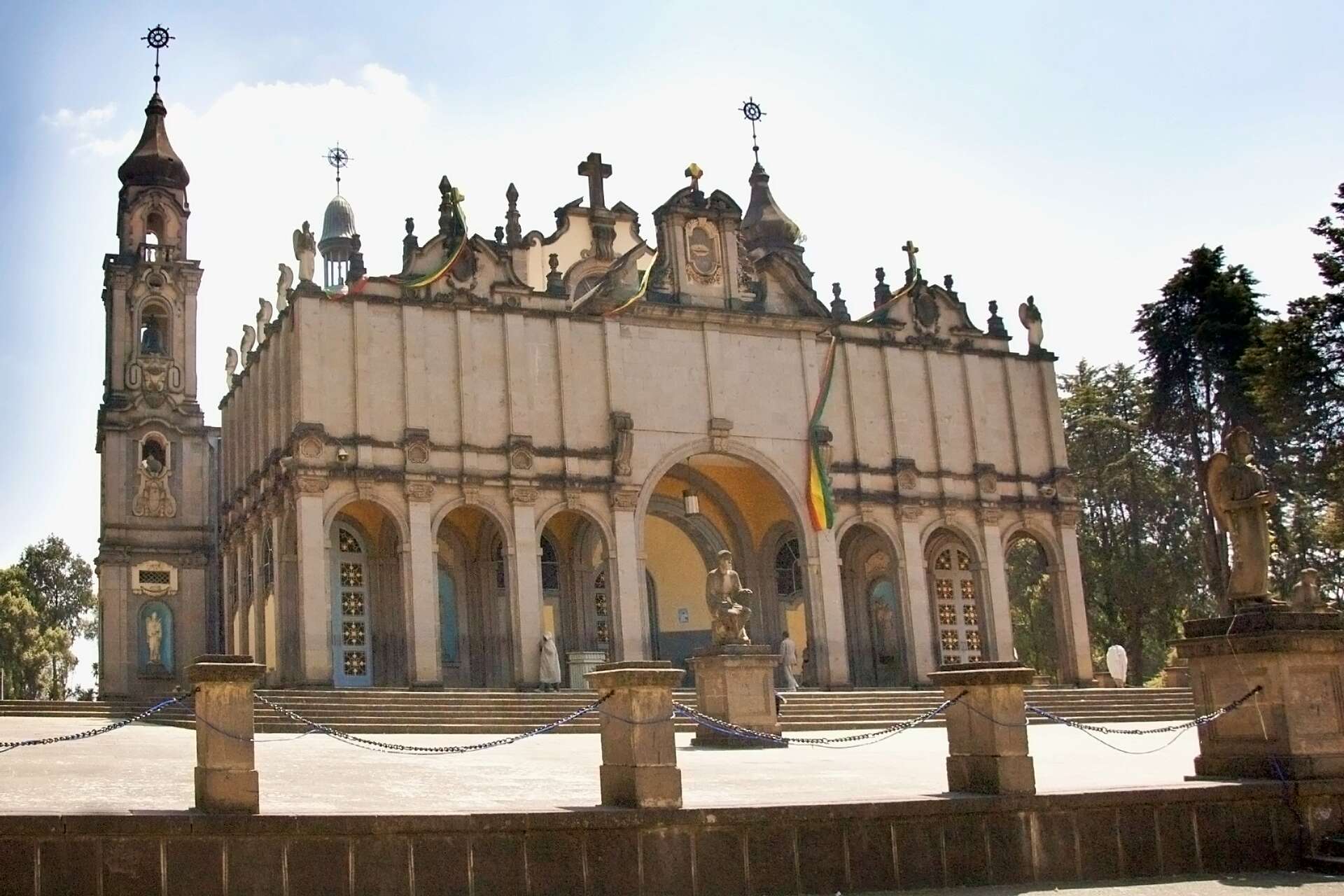
Yes, you can take photos in most of Ethiopia, but it is illegal to photograph military sites and personnel, police, government buildings, key infrastructure such as bridges, dams and airfields, and the area around the Presidential Palace in Addis Ababa. Offenders can be fined, have equipment confiscated and be detained. Ask before photographing people or inside churches and mosques. Drones need prior approval to bring in and permission to fly, and can be confiscated on arrival.
Updated Sept 2026 · 7 min
 What to expect
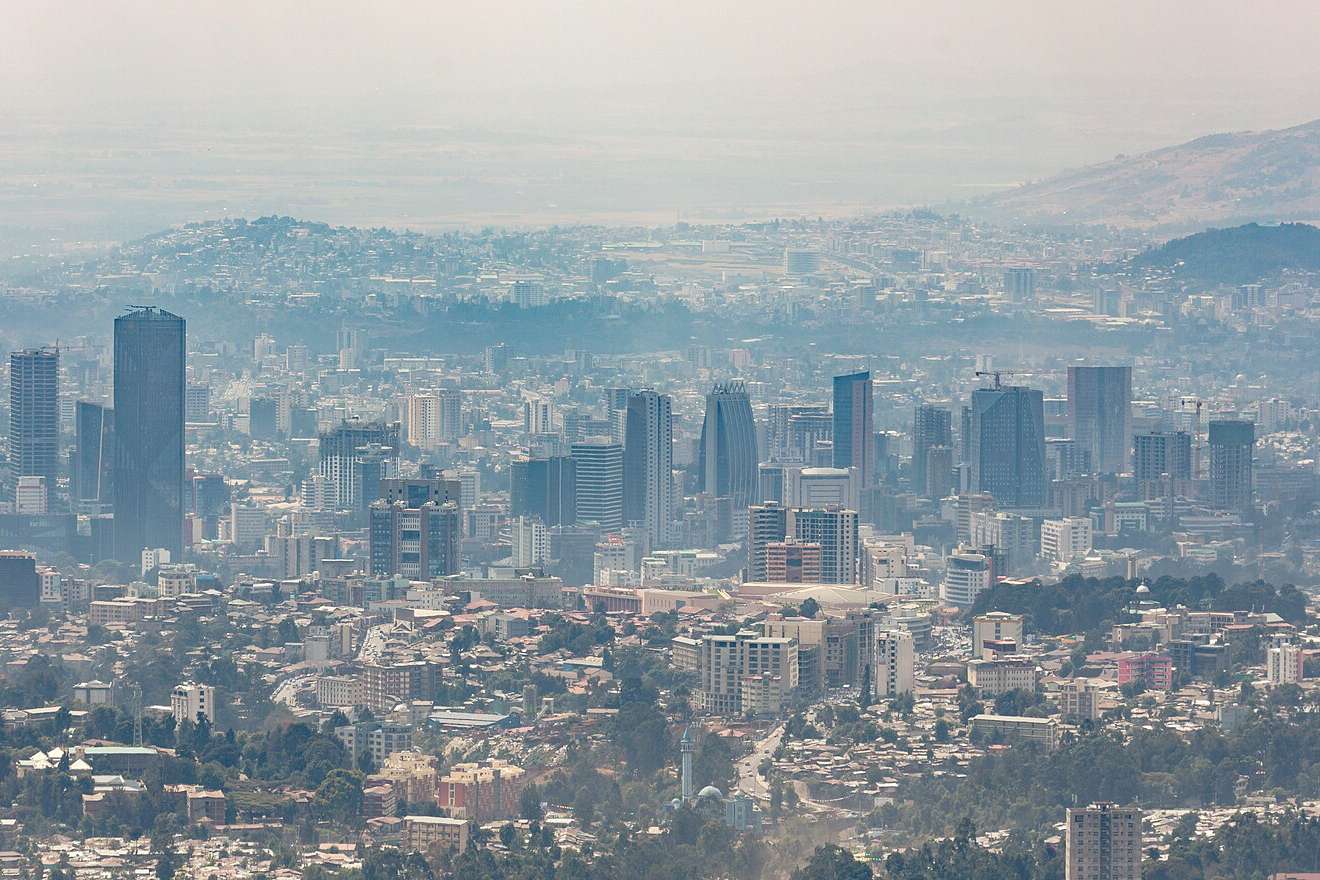
It can. Addis Ababa sits at about 2,355 m (7,726 ft), making it Africa's highest capital, and Bole airport is near the city's lowest point at about 2,330 m, so you arrive at altitude. That is just below the 2,500 m level where altitude sickness usually starts, but susceptible people can be affected lower down. Some visitors notice breathlessness on stairs, a mild headache or poor sleep for the first day or two. Take it easy at first, go light on alcohol and exercise, and talk to a doctor before you go if you have heart or lung disease, diabetes or sickle cell disease, or are pregnant.
Updated Sept 2026 · 6 min
 What to expect
Ethiopia's official time zone is East Africa Time (UTC+3, no daylight saving), but in everyday speech many Ethiopians count the hours from dawn, not midnight. So 7am international time is "1 o'clock in the morning" in Ethiopian time, noon is 6, and 6pm is 12. To convert, add or subtract six hours, and always ask whether a time is Ethiopian or international.
Updated Sept 2026 · 6 min
Bole airportFor an international flight from Addis Ababa, Ethiopian Airlines asks you to be at Bole airport at least 3 hours before departure, or 4 hours for flights to the USA; check-in counters close 1 hour before take-off. Domestic flights need at least 1 hour. Expect a security check at the terminal door, where only passengers with a ticket are let in, then check-in, passport control and another screening. International flights use Terminal 2 and domestic flights Terminal 1.
Updated Sept 2026 · 7 min
 How long
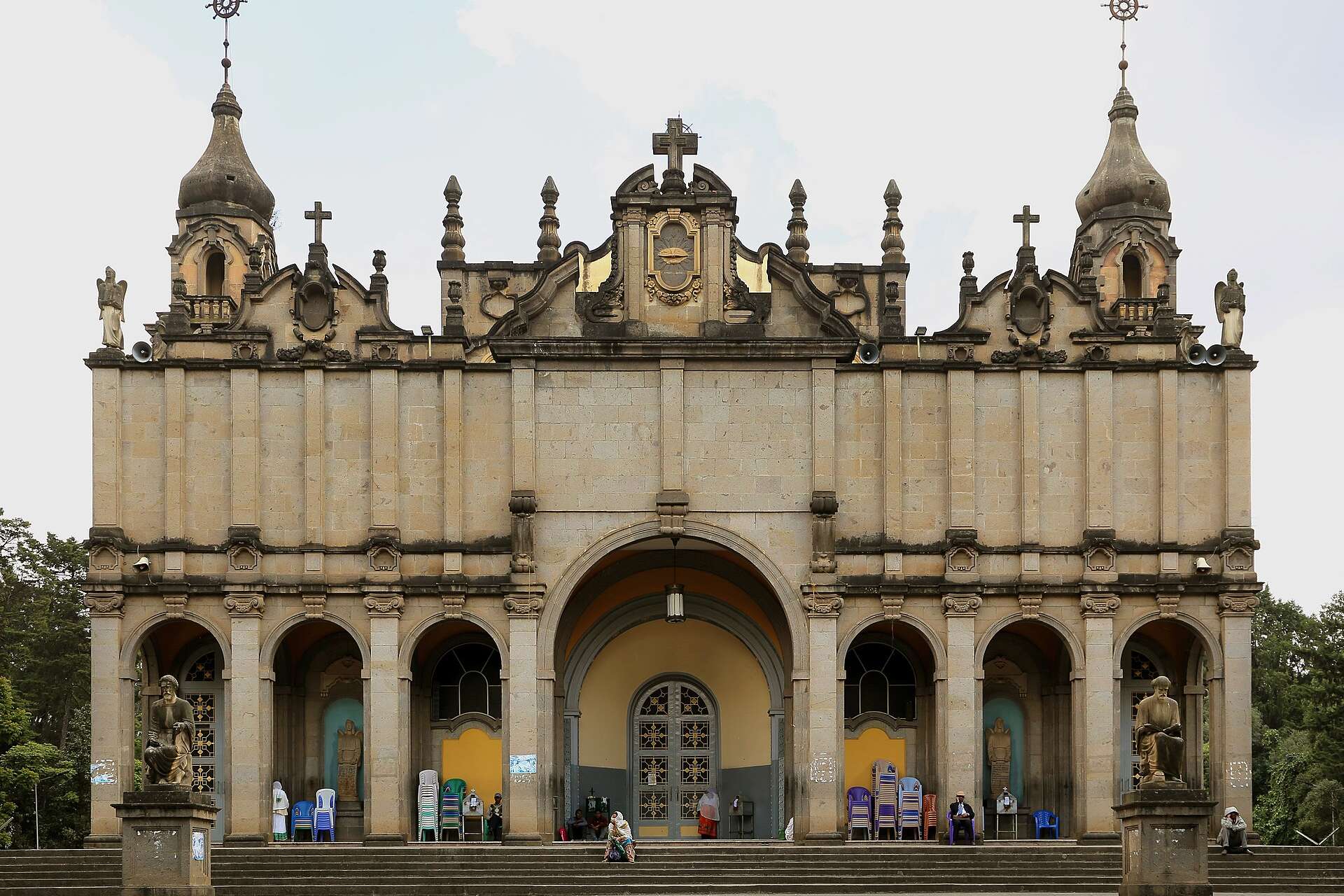
Two full days is the sweet spot for Addis Ababa: enough for the National Museum, Holy Trinity Cathedral, Unity Park, the Adwa Victory Memorial, Entoto and a coffee ceremony without rushing. One day covers the essentials if you start early and travel by car. Allow three or four days if you want a day trip to Bishoftu, time with family, or a slower pace while you adjust to the 2,355-metre altitude.
Updated Sept 2026 · 6 min
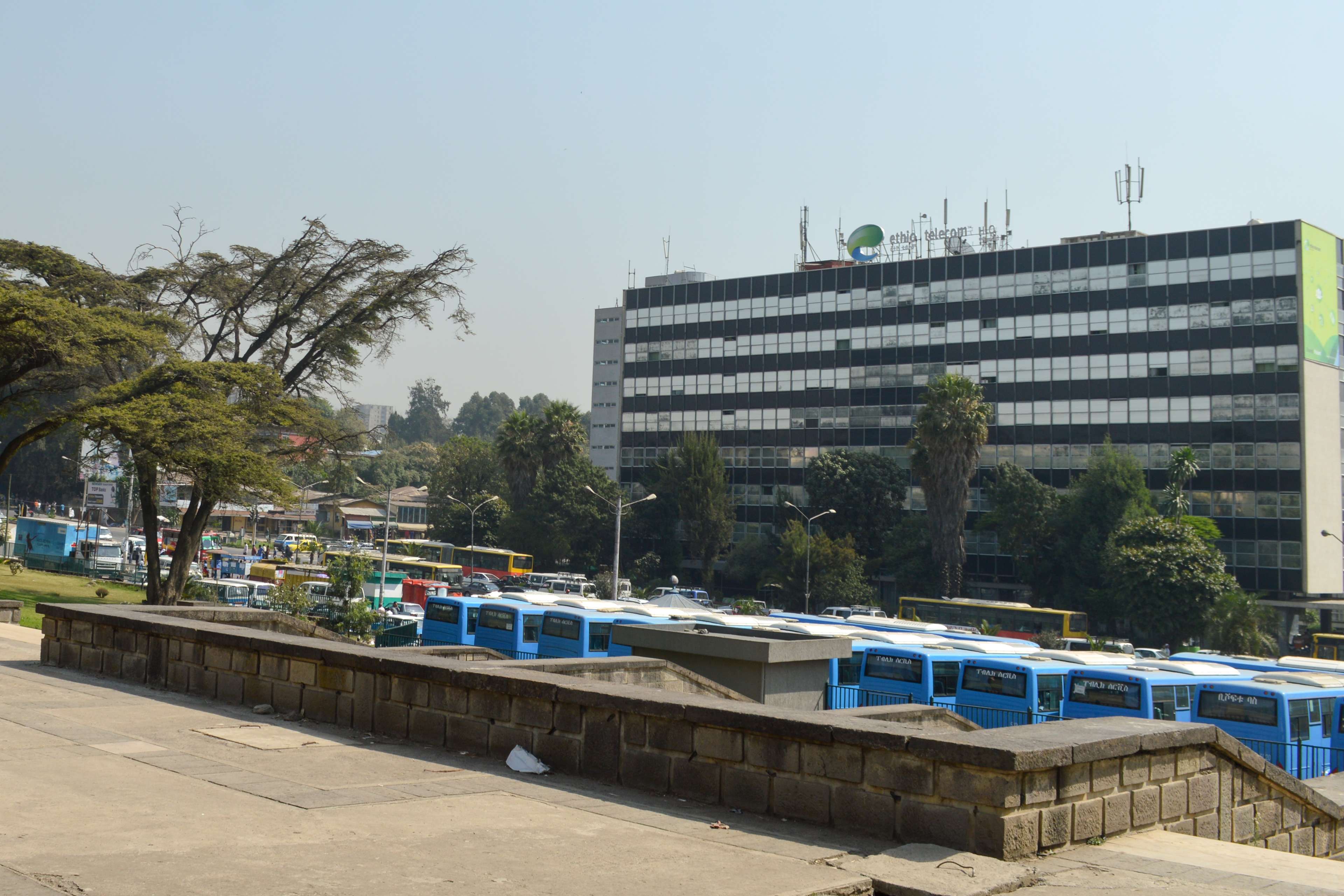 Compare
Ethiopia has two mobile networks: state-owned Ethio Telecom and Safaricom Ethiopia. Both sell prepaid visitor bundles priced in US dollars or euros, and both have shops in the Bole airport arrivals hall; you need your passport to register a SIM. Ethio Telecom has the wider national coverage, while Safaricom works best in Addis and other big cities. If your phone supports eSIM, you can also install an international data-only travel eSIM before you fly.
Updated Sept 2026 · 6 min
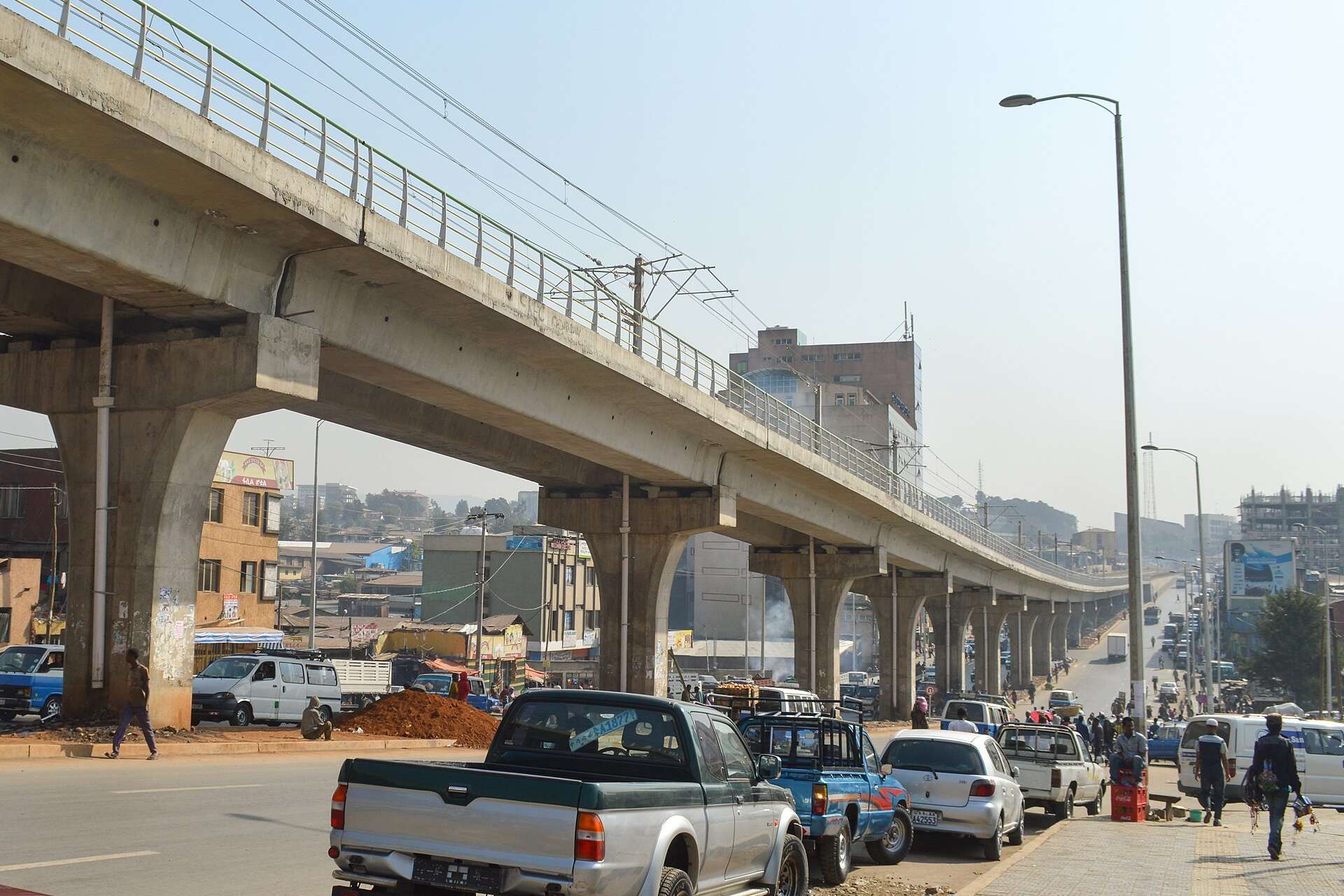
CompareFor most visitors, the easiest way to get around Addis Ababa is a local ride-hailing app such as RIDE or Feres, or a private driver for the day; Uber does not operate in Ethiopia. Minibuses and city buses are cheap but crowded and hard to use without Amharic, so most visitors go by car. The light rail has two lines and 39 stations but does not reach Bole airport, and only part of its fleet is in service. After dark, go door to door by car rather than walking.
Updated Sept 2026 · 6 min
 What to expect
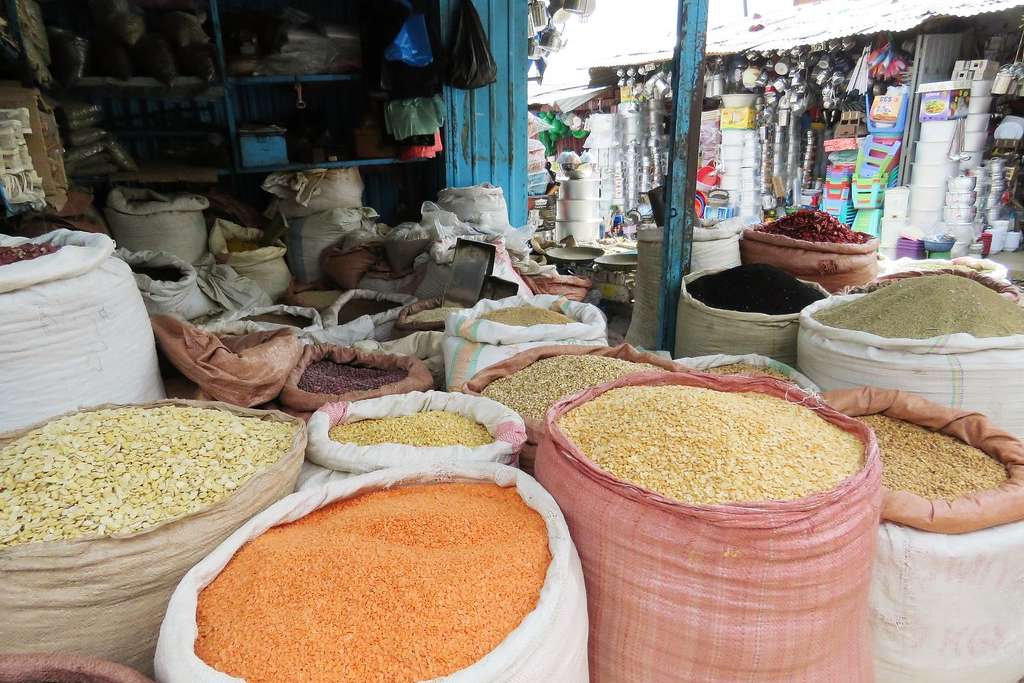
Merkato is a huge open-air market district in Addis Ababa's Addis Ketema area, with around 7,100 businesses selling everything from spices and coffee to baskets and recycled metalwork. Visit on a weekday morning (Monday to Saturday), allow one to three hours, carry only a phone, a copy of your passport and small birr notes, keep your bag in front, and agree your drop-off and pickup points before you walk in.
Updated Sept 2026 · 7 min
 Ethiopia
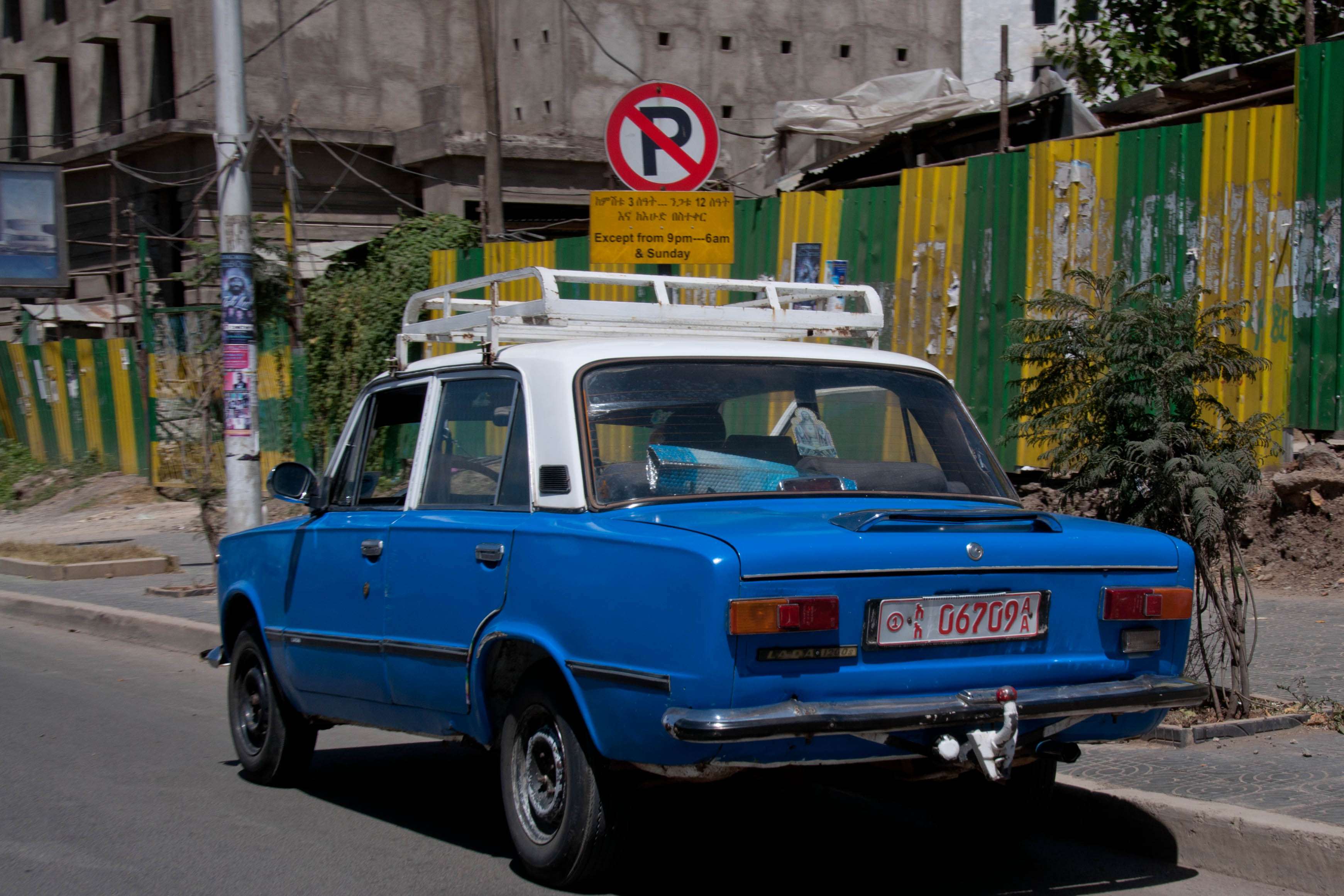
The most useful Amharic words for a trip to Ethiopia are selam (ሰላም, hello), ameseginalehu (አመሰግናለሁ, thank you), yiqirta (ይቅርታ, sorry or excuse me), ishi (እሺ, OK) and sint new? (ስንት ነው?, how much is it?). Many phrases change depending on whether you speak to a man or a woman: 'please' is ebakih to a man and ebakish to a woman. Amharic is written in the Ge'ez-based script called fidel, where each character is a syllable.
Updated Sept 2026 · 6 min
 What to expect
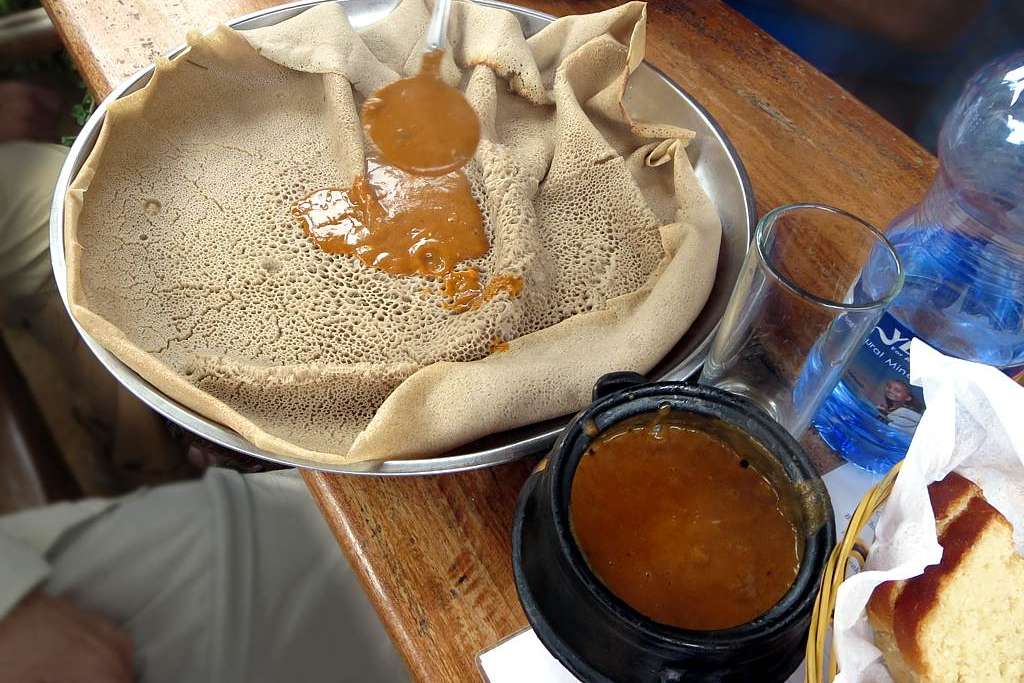
Members of the Ethiopian Orthodox Tewahedo Church fast by giving up all animal products (meat, dairy and eggs), and devout people often skip breakfast or eat nothing until the afternoon. Most Wednesdays and Fridays are fast days, plus seven church fasting seasons; the longest is the 55-day Great Lent before Fasika (Easter), which falls on 2 May in 2027. For travellers it mostly means excellent vegan food and fewer meat dishes in traditional restaurants on fast days. Visitors are not expected to fast.
Updated Sept 2026 · 7 min
 Ethiopia
 runs on 220 V at 50 Hz (you may also see 230 V quoted; for travellers it is the same thing). Most sockets take European round-pin plugs, types C and F, and you will also see Italian-style type L sockets; some hotels have fitted universal sockets that take British type G plugs. Visitors from the US, Canada, Australia and the UK need a plug adapter, and single-voltage 110-120 V appliances also need a voltage converter.
Updated Sept 2026 · 5 min
What to expectDress modestly and in layers. In Addis Ababa, jeans or long trousers with a T-shirt or shirt are fine, but shorts and sleeveless tops stand out and are not suitable for religious sites. The capital sits at about 2,350 m, so days are mild (typically 21–26°C) and nights cool (often 8–13°C), with heavy rain from June to mid-September. At Orthodox churches, cover shoulders and knees and take your shoes off; women should bring a scarf for their hair.
Updated Sept 2026 · 7 min
Going to Practical tips? Tell us where.
One fixed price for the whole car, from a real person.One fixed quote for the whole car, from a real person, on WhatsApp.