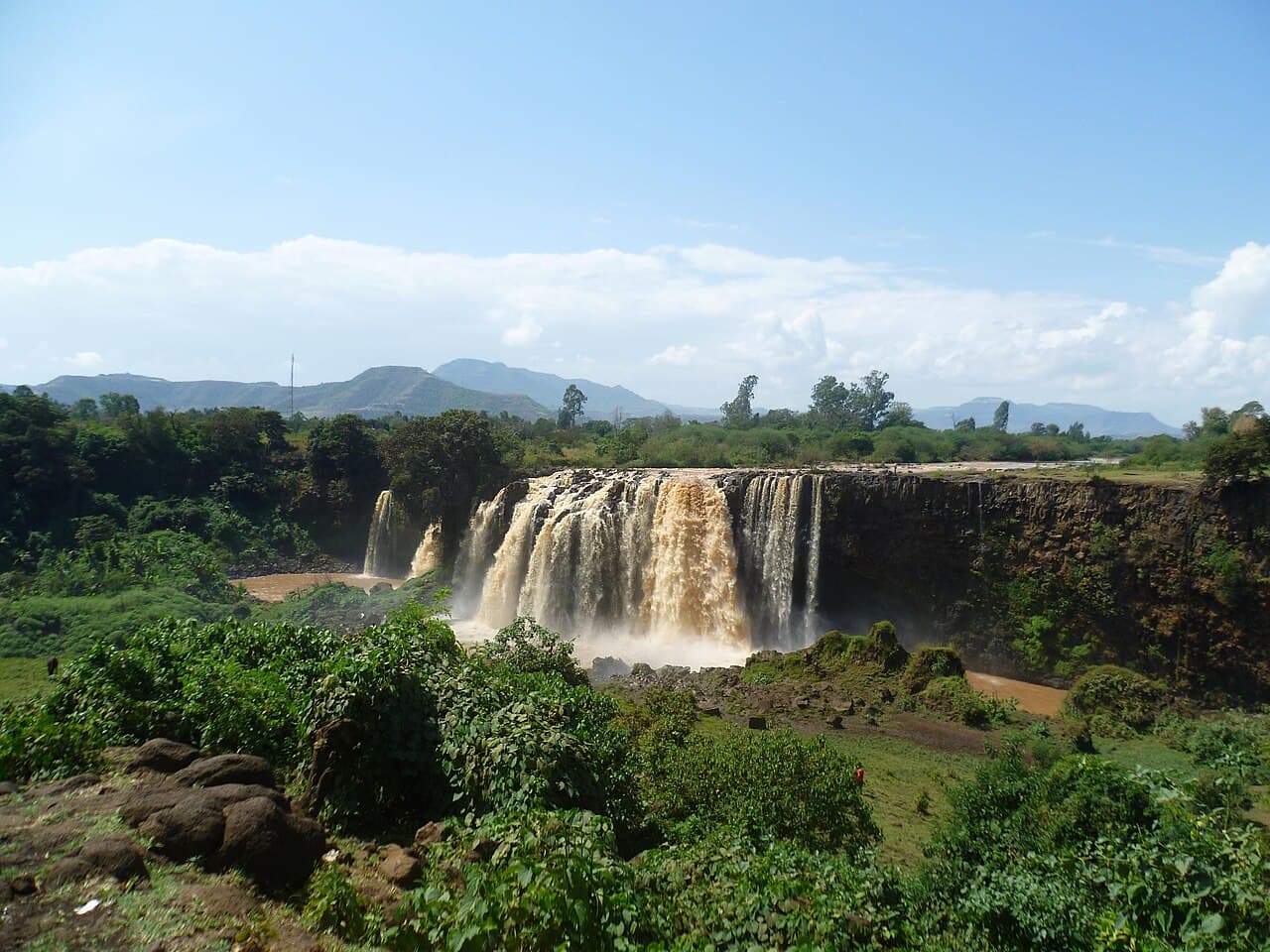
Ethiopia's largest lake, the main source of the Blue Nile, is dotted with old island monasteries. The lakeside city of Bahir Dar is the base, with the Blue Nile Falls nearby.
1 answer
Lake Tana is the main source of the Blue Nile, a river that has interested outsiders since ancient times. The Greek historian Herodotus wrote about the Nile's source, and the Bible's River Gihon, which flowed around the land of Cush, has long been linked to it. The lake has about 37 islands, and many of them hold monasteries and churches that have kept manuscripts, paintings and royal remains safe for centuries.
By tradition, the Ark of the Covenant was kept on the island of Tana Qirqos for several centuries before it was taken to Aksum. The island of Daga holds the tombs of several emperors, including Zara Yaqob and Fasilides. On the Zege Peninsula, round churches such as Ura Kidane Mehret are painted inside with bright biblical scenes. In 1626 Emperor Susenyos had Ethiopia's first stone bridge built just downstream of the Blue Nile Falls.
In the 19th century Bahir Dar was a small settlement of perhaps 1,200 to 2,000 people. It has since grown into the capital of the Amhara Region, and in 2002 it received the UNESCO Cities for Peace Prize for the way it handled rapid growth. The wider Lake Tana region was recognised as a UNESCO Biosphere Reserve in 2015 for its natural and cultural importance, including its birdlife.
About 30 km downstream of Bahir Dar, the river drops 42 m over a basalt ledge, and in the rainy season the falls can spread to over 400 m wide. The name means 'great smoke', after the spray.
A short boat ride from town, the forested peninsula hides round churches whose inner walls are covered in colourful paintings of saints and Bible stories.
Boats visit monasteries such as Debre Maryam, Tana Qirqos and Daga Estifanos, where monks keep old manuscripts, crosses and the tombs of emperors.
Fishermen and traders still paddle light boats made from bundled papyrus, a sight much like it must have been centuries ago.
At the southern end of the lake you can watch the Blue Nile leave Lake Tana and begin its long journey towards Sudan and Egypt.
Near the falls, a 17th-century stone bridge built on the orders of Emperor Susenyos still crosses the river gorge.
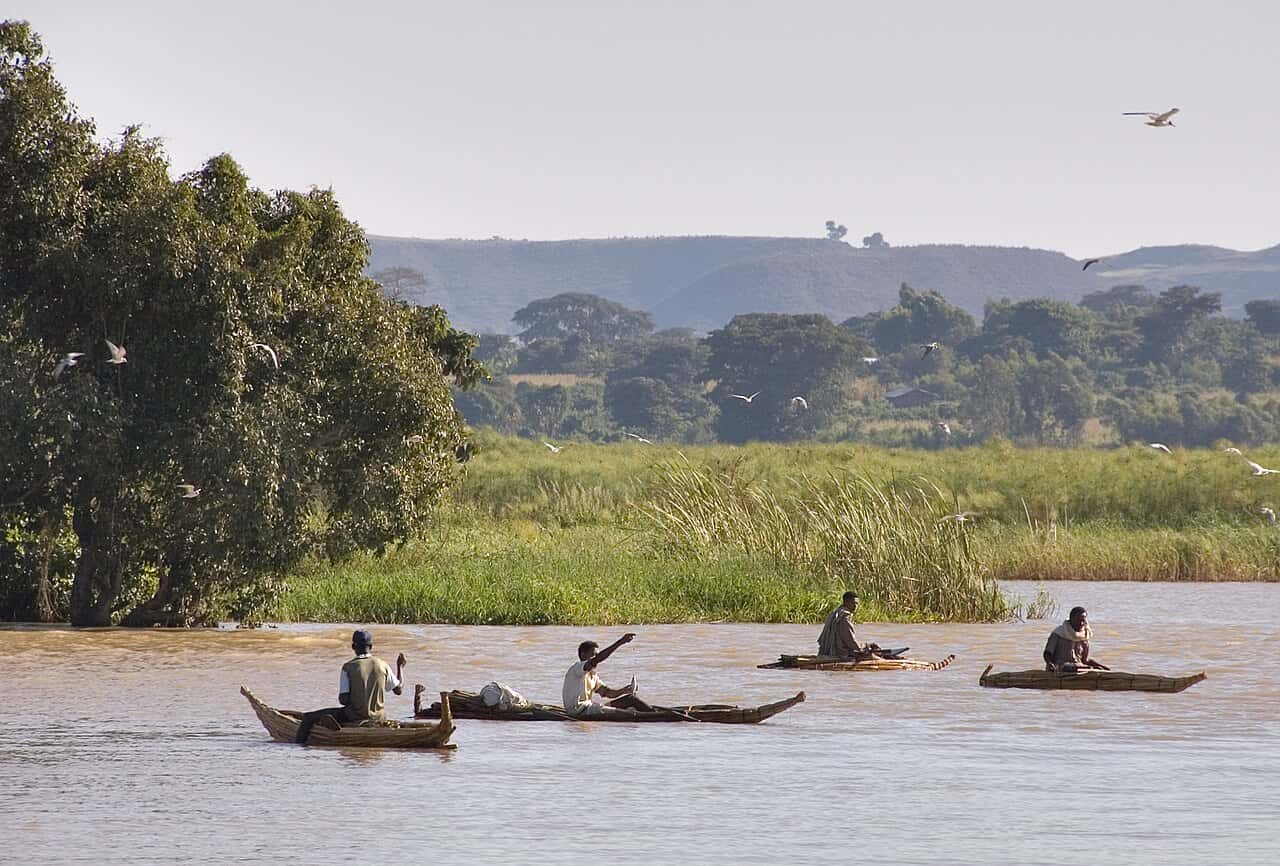
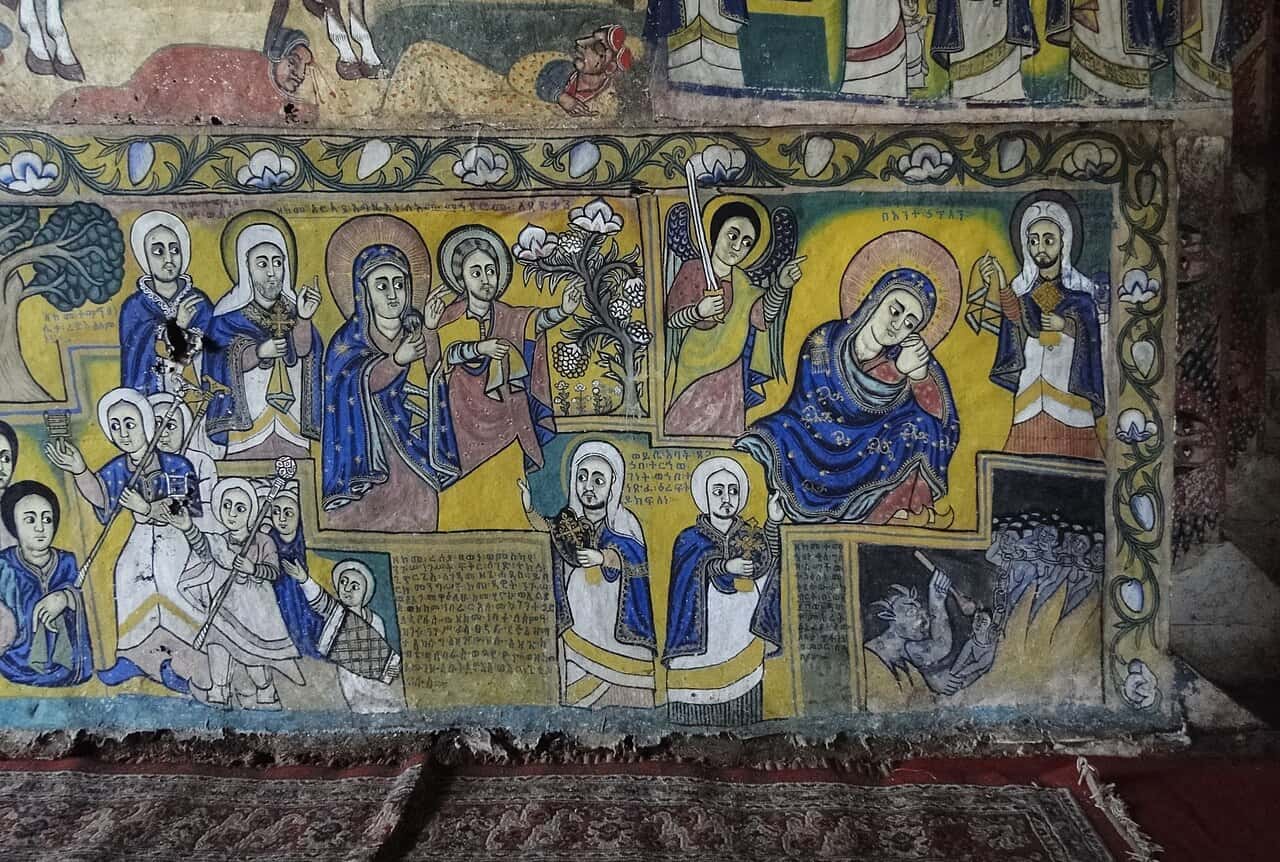
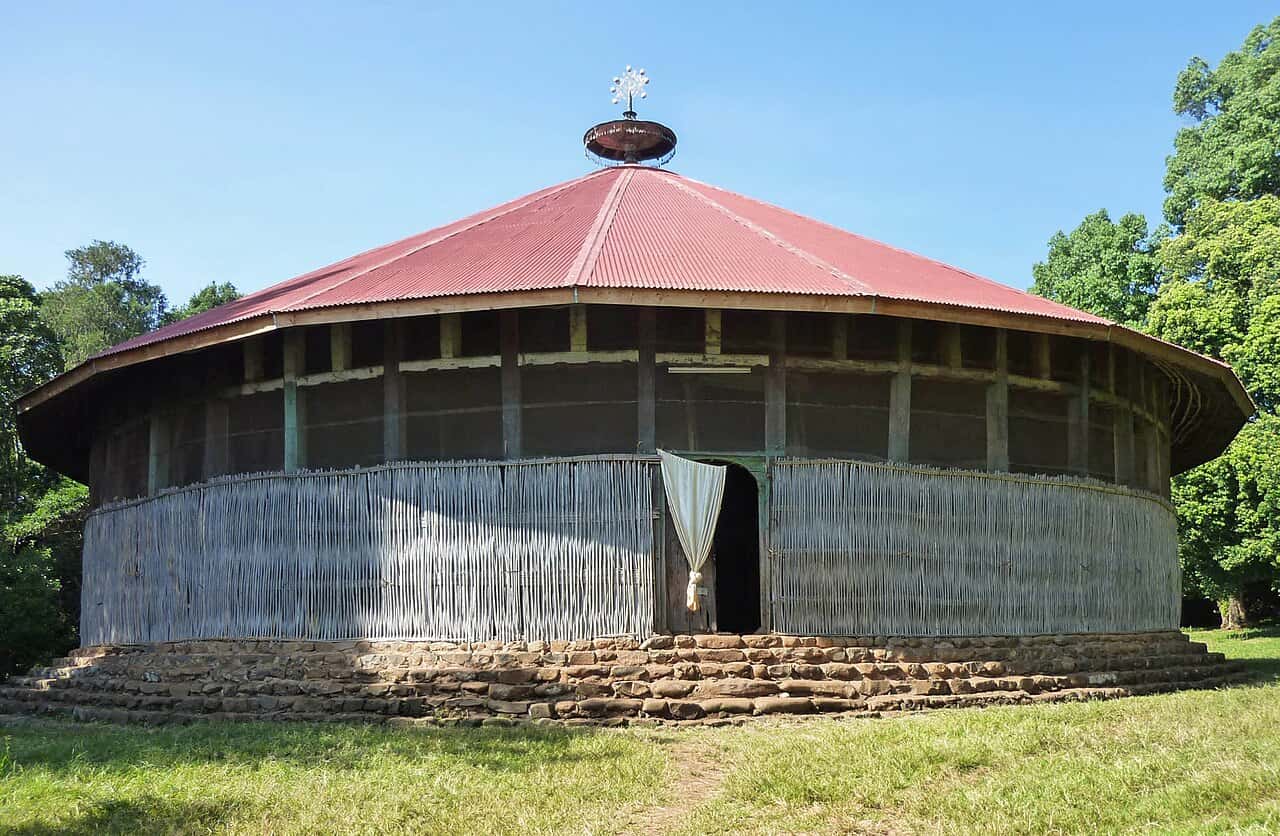
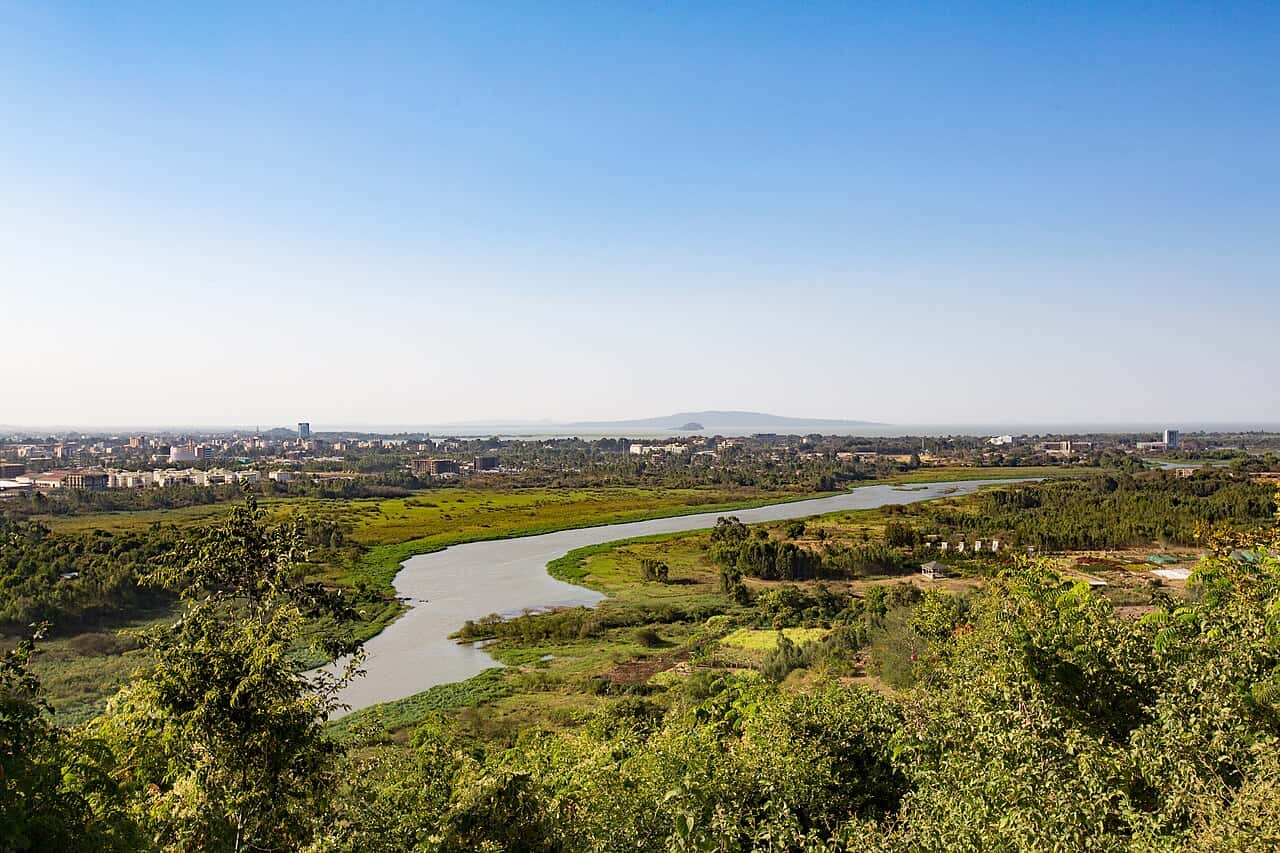
It is the main source of the Blue Nile and Ethiopia's largest lake, and its islands and peninsulas hold centuries-old monasteries with painted churches and treasured manuscripts.
About 30 km south-east of the city, so they are easy to combine with a visit to the lake monasteries.
Much of the flow is now used for hydroelectric power, so the falls are at their fullest in and just after the rainy season.
Going to Bahir Dar & Lake Tana? Tell us where.
One fixed price for the whole car, by email. A real person, usually within the hour.One fixed quote for the whole car, in minutes. A real person, on WhatsApp.
