A highland city north of Lake Tana that was Ethiopia's royal capital from 1636, known for the castles, palaces and painted churches of the Fasil Ghebbi enclosure.
2 answers
For centuries Ethiopia's rulers moved their royal camps from place to place. In 1636 Emperor Fasilides (Fasil) settled at Gondar and made it a permanent capital, on a site where caravan routes from Sudan and the Red Sea met. He built a stone castle, a bathing pavilion beside the Qaha River and several churches, and a Yemeni envoy who visited in 1648 described the palace as one of the most beautiful buildings he had seen.
His successors kept building. Yohannes I, Iyasu I, Bakaffa and Empress Mentewab added palaces, a library, a chancellery, a banqueting hall and more churches, gradually turning the royal camp into a walled compound known as Fasil Ghebbi. Its builders mixed local traditions with Indian and Arab influences and Baroque ideas brought by Jesuit missionaries, creating what became known as the Gondarian style. Painting, literature, music and crafts also flourished at court.
Royal power at Gondar faded in the late 18th century, although the city remained the centre of government until 1864 and stayed an important trading town for north-west Ethiopia. UNESCO inscribed Fasil Ghebbi and related monuments around the city as a World Heritage Site in 1979. Today Gondar is a busy regional city and the usual starting point for the Simien Mountains, whose gateway town of Debark is about three hours north by road.
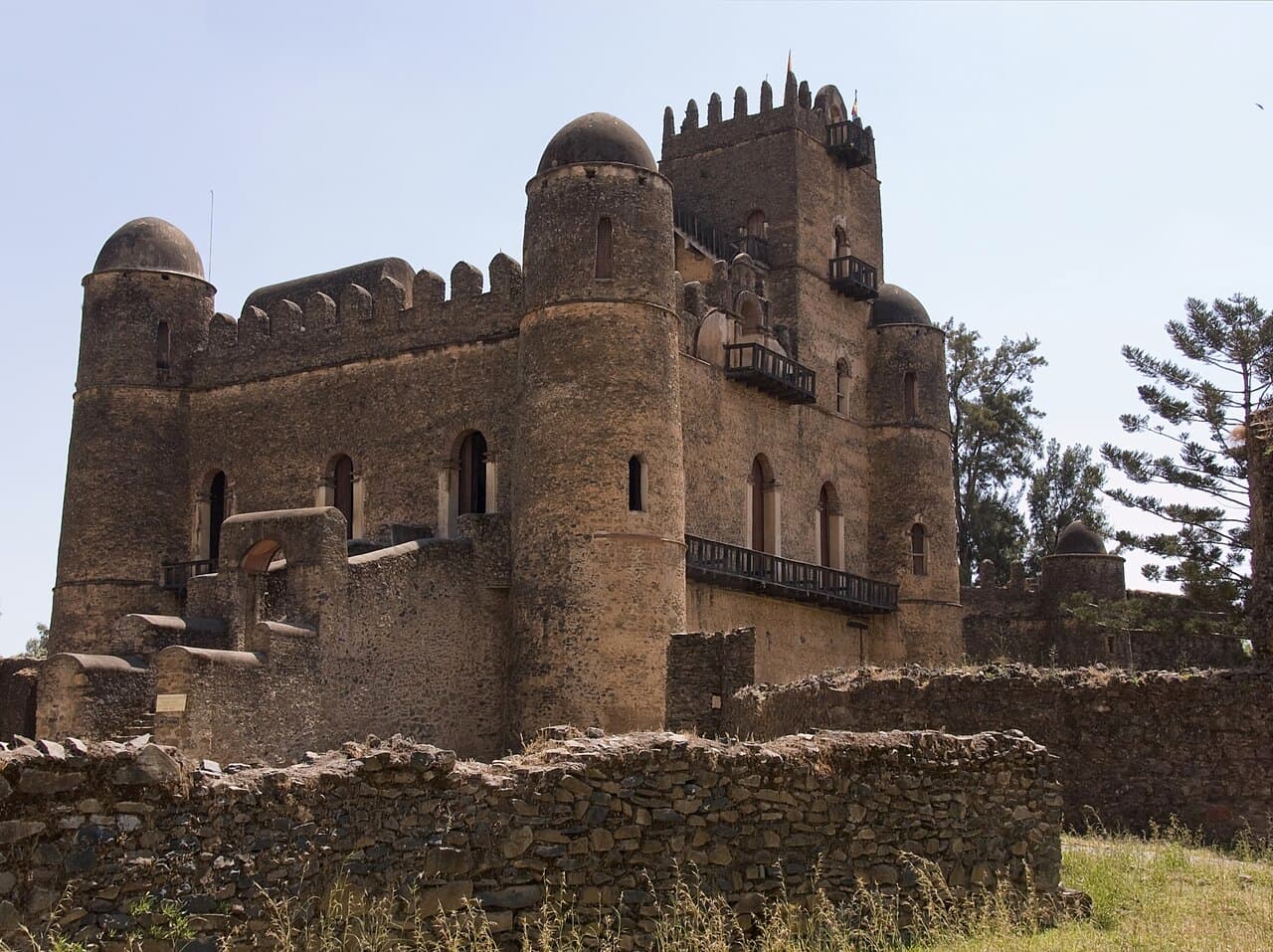
The main castle of the enclosure, built for Fasilides, with battlemented walls and domed corner towers that have earned Gondar the nickname 'Camelot of Africa'.
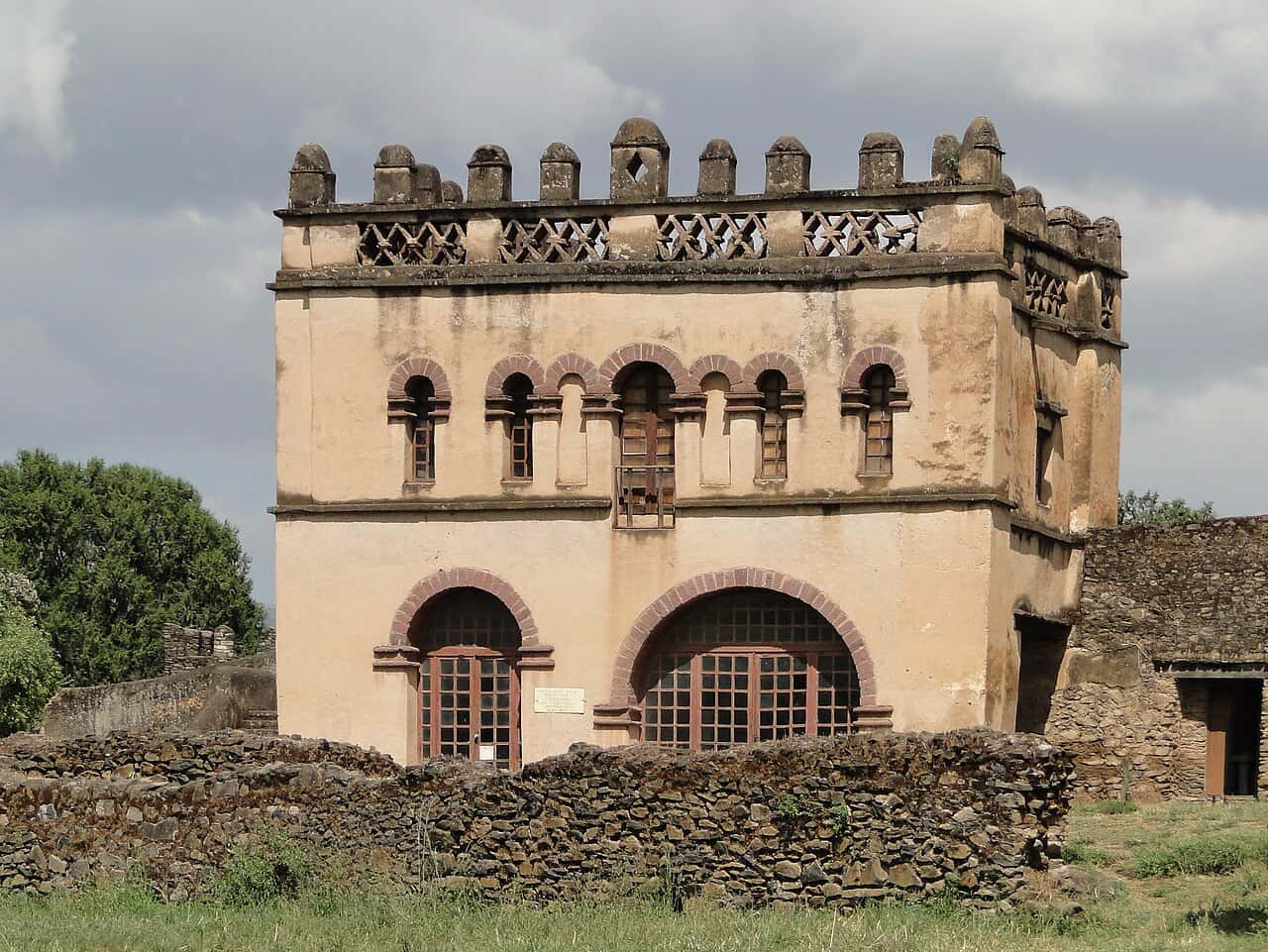
Inside a 900-metre wall with twelve gates are the palaces of Iyasu I and Empress Mentewab, the library and chancellery of Yohannes I, a banqueting hall and stables.
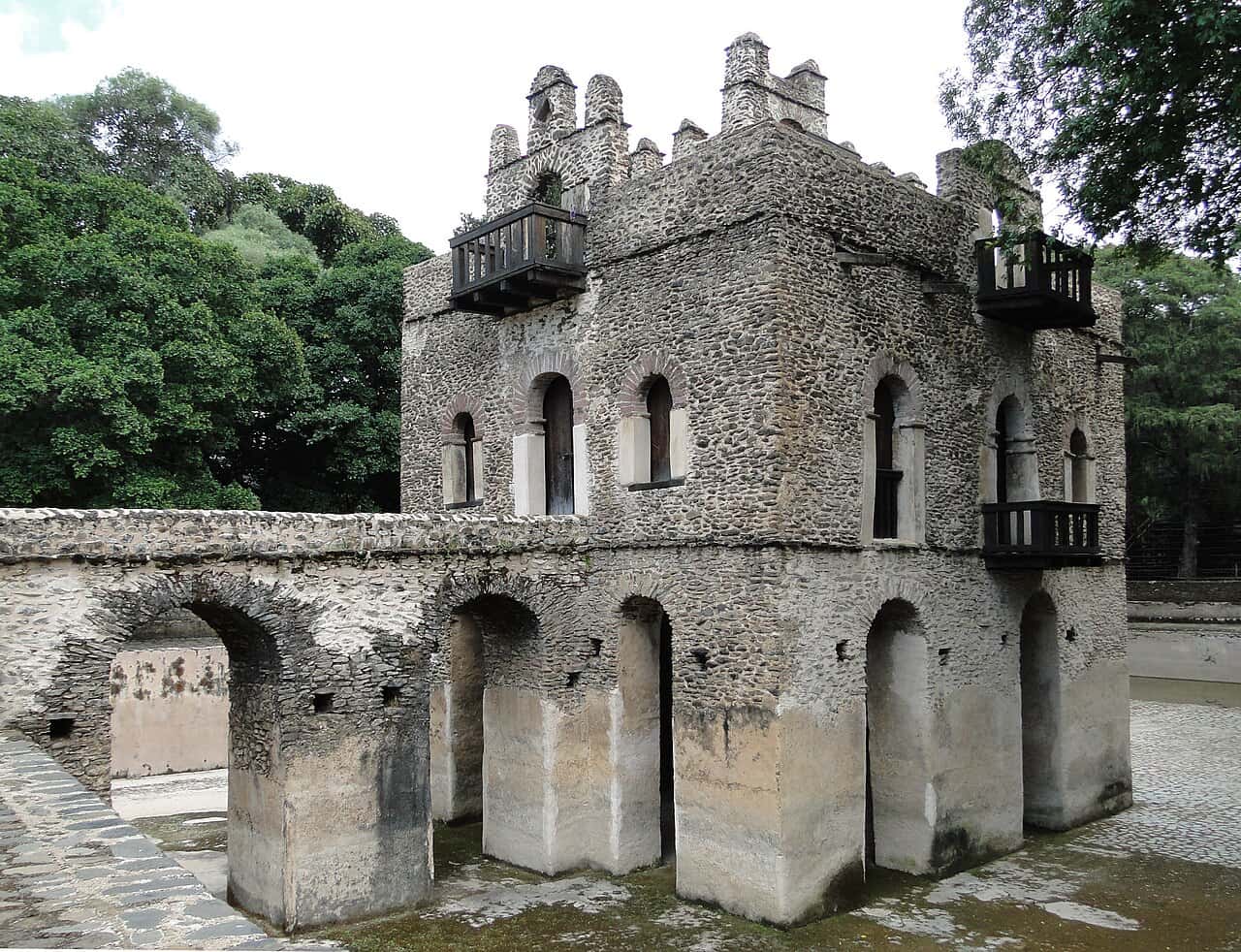
A two-storey stone pavilion standing in a large rectangular pool fed by a canal from the river. At Timkat the pool is blessed and opened for bathing.
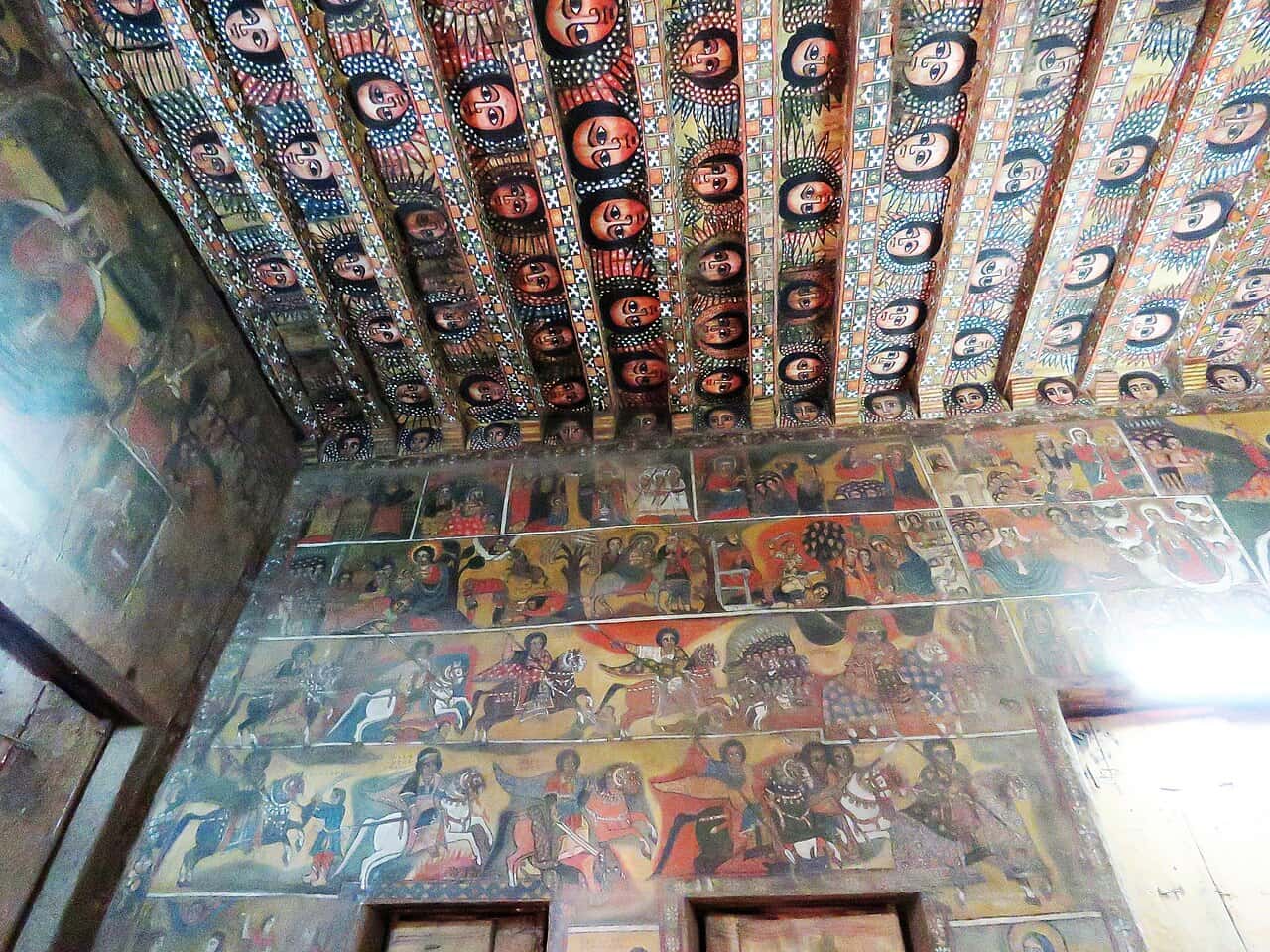
Built in the late 17th century, its ceiling is covered with rows of painted winged angel faces and its walls with biblical scenes. Local tradition says a swarm of bees saved it when other churches were destroyed in 1888.
Empress Mentewab's 18th-century church and palace complex in the hills north-west of the city centre.
Around 19 January the city celebrates Epiphany with processions, singing and crowds gathering at Fasilides' Bath.

Its 17th- and 18th-century royal castles and churches, above all the Fasil Ghebbi enclosure, listed by UNESCO in 1979.
Because its stone castles, with towers and battlements, look surprisingly like medieval European fortresses set in the Ethiopian highlands.
For Epiphany the pool is blessed by priests and opened for bathing, and thousands of people gather around it to celebrate.
 Is it safe
Not right now. Bahir Dar, Gondar and the Simien Mountains are in Amhara region, where official travel advice currently warns against all travel after fighting in the north escalated in late September 2026. Flights to Lalibela were suspended on 24 September; Bahir Dar and Gondar flights were not reported suspended as of 28 September, but the advice applies either way. Addis Ababa, Bishoftu and Hawassa in the south are good alternatives in the meantime.
Updated Sept 2026 · 6 min
 What to expect
Timkat, the Ethiopian Orthodox celebration of Christ's baptism (Epiphany), falls on 19 January in most years and 20 January in Gregorian leap years. In 2027 the eve, Ketera, is Monday 18 January, Timkat is Tuesday 19 January, and St Michael's churches hold their processions on 20 January. The easiest big celebration for visitors to reach right now is at Jan Meda in Addis Ababa. Gondar and Lalibela are famous for Timkat but are in Amhara, where travel isn't advised as of late September 2026.
Updated Sept 2026 · 6 min
Going to Gondar? Tell us where.
One fixed price for the whole car, by email. A real person, usually within the hour.One fixed quote for the whole car, in minutes. A real person, on WhatsApp.