A UNESCO-listed national park in southern Ethiopia, home to the world's largest population of Ethiopian wolves, the high Sanetti Plateau and the wild-coffee Harenna Forest.
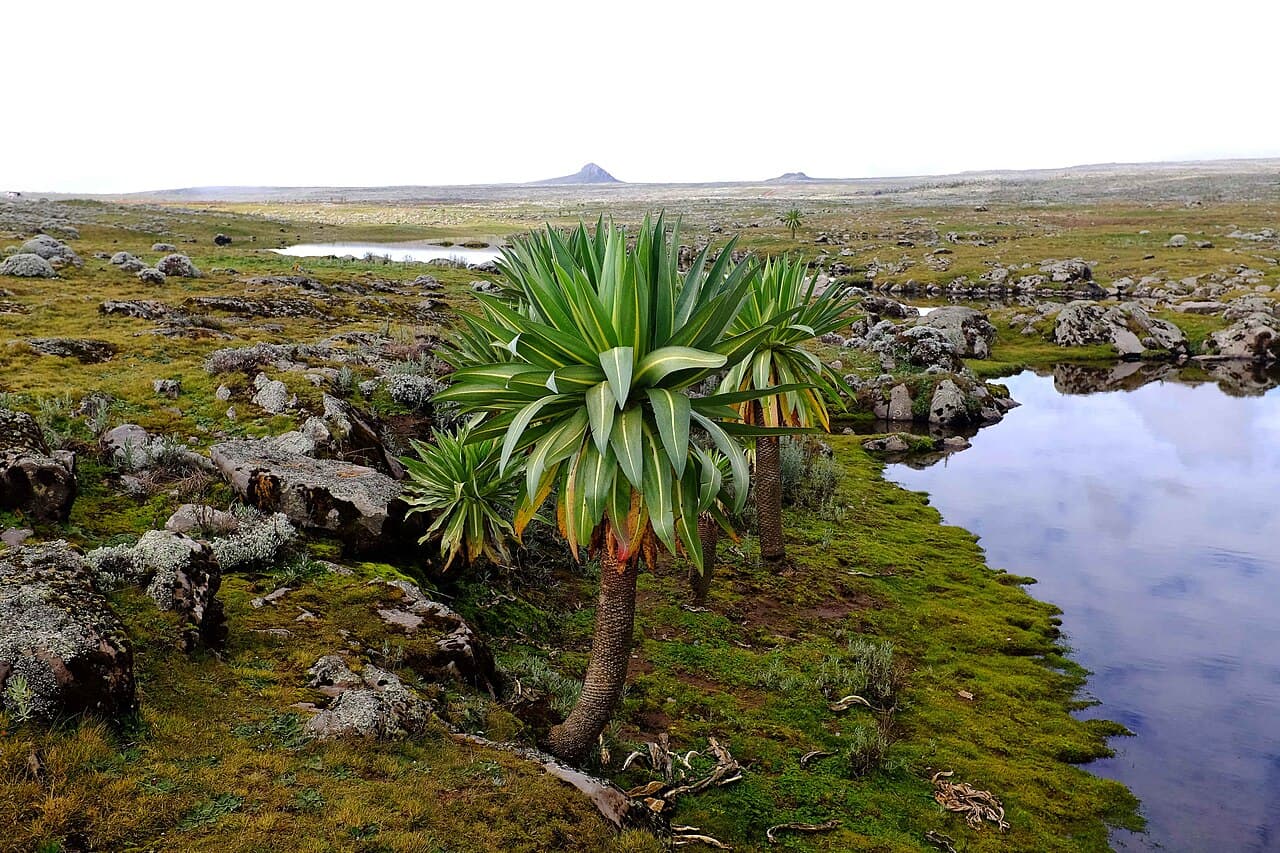
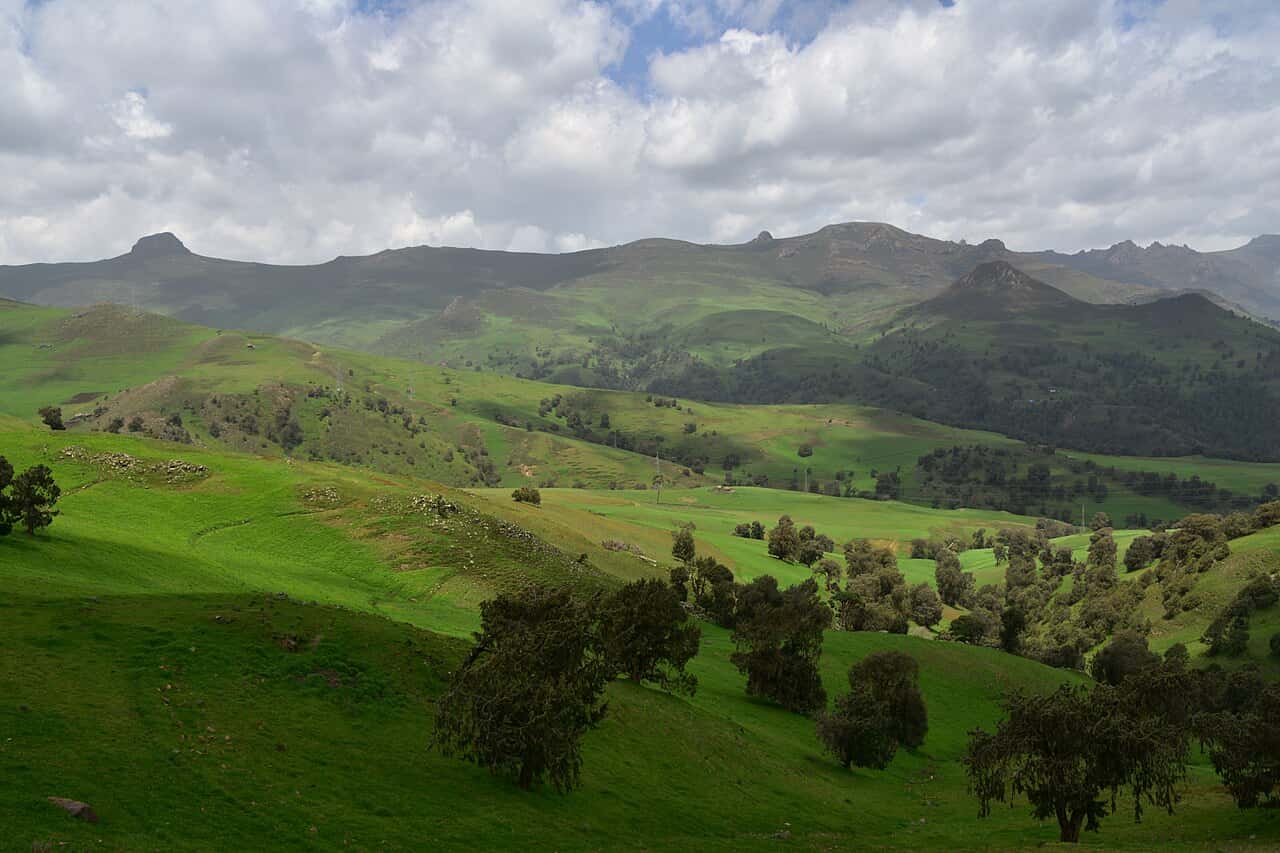
The Bale Mountains were shaped by ancient lava flows, by glaciers and by the edge of the Great Rift Valley. The result is a high plateau of glacial lakes and moorland, with volcanic peaks such as Tullu Dimtu, Ethiopia's second-highest at 4,377 m. To the south the land drops steeply into the Harenna Forest, so within one park the scenery changes from cold Afro-alpine heath to warm, misty woodland.
The first recorded scientific visit was by the German naturalist Carlo von Erlanger between 1899 and 1901. For generations, local Oromo herders have taken cattle up to the plateau in the dry season, and honey gatherers have long worked in the Harenna Forest. In 1963 and 1965 the British naturalist Leslie Brown came to check on the rare mountain nyala, and he recommended that the area be protected.
The national park was set up around 1970, and its headquarters at Dinsho grew from an earlier farm concession. Its aim was to protect the mountain nyala and other animals and plants found nowhere else. In 2023 UNESCO added Bale Mountains National Park to the World Heritage List for its natural beauty and its rich wildlife. The park also holds Africa's largest area of Afro-alpine habitat.
A wide, windswept plateau above 3,000 m, scattered with giant lobelias, small lakes and rocky outcrops. A road crosses it that is often called Africa's highest all-weather road.
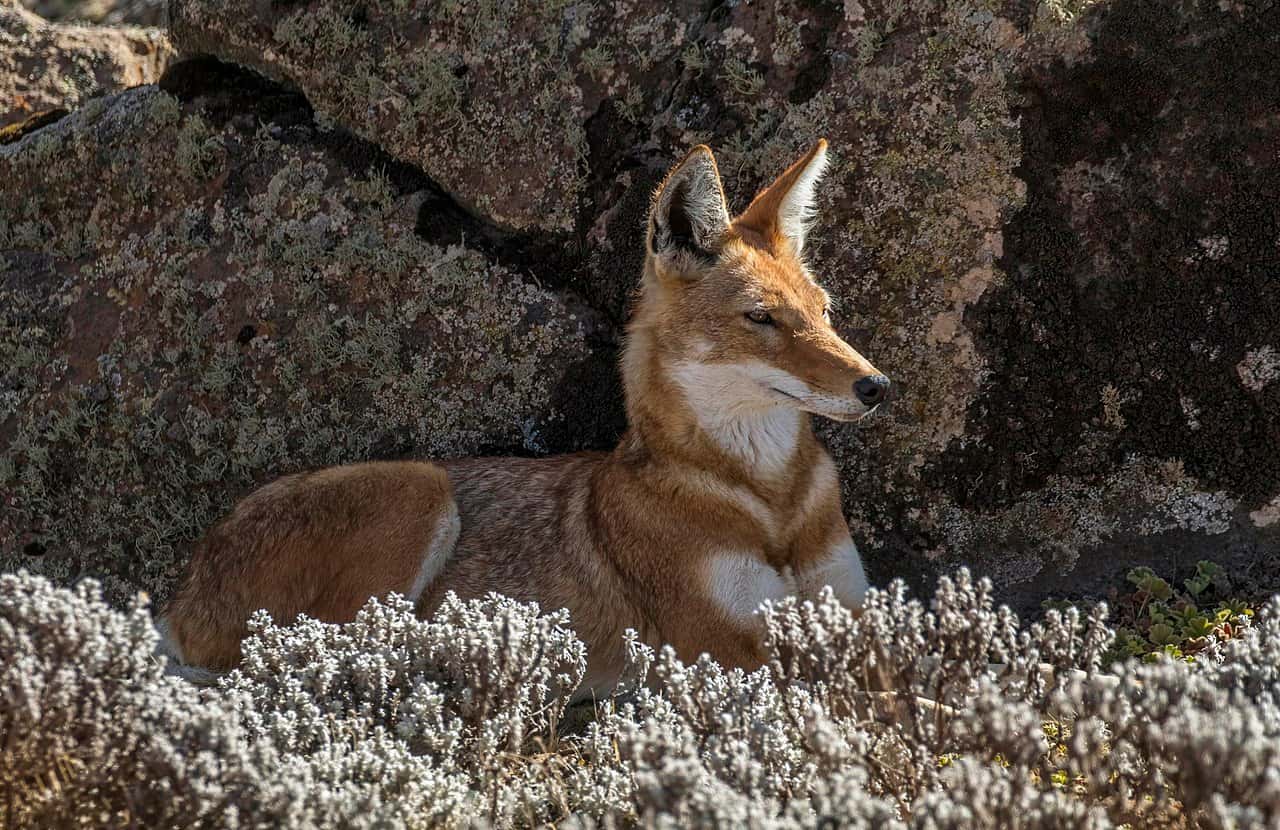
The world's rarest canid hunts rodents in the open moorland. Fewer than 500 adults remain, and over half of them live in Bale.
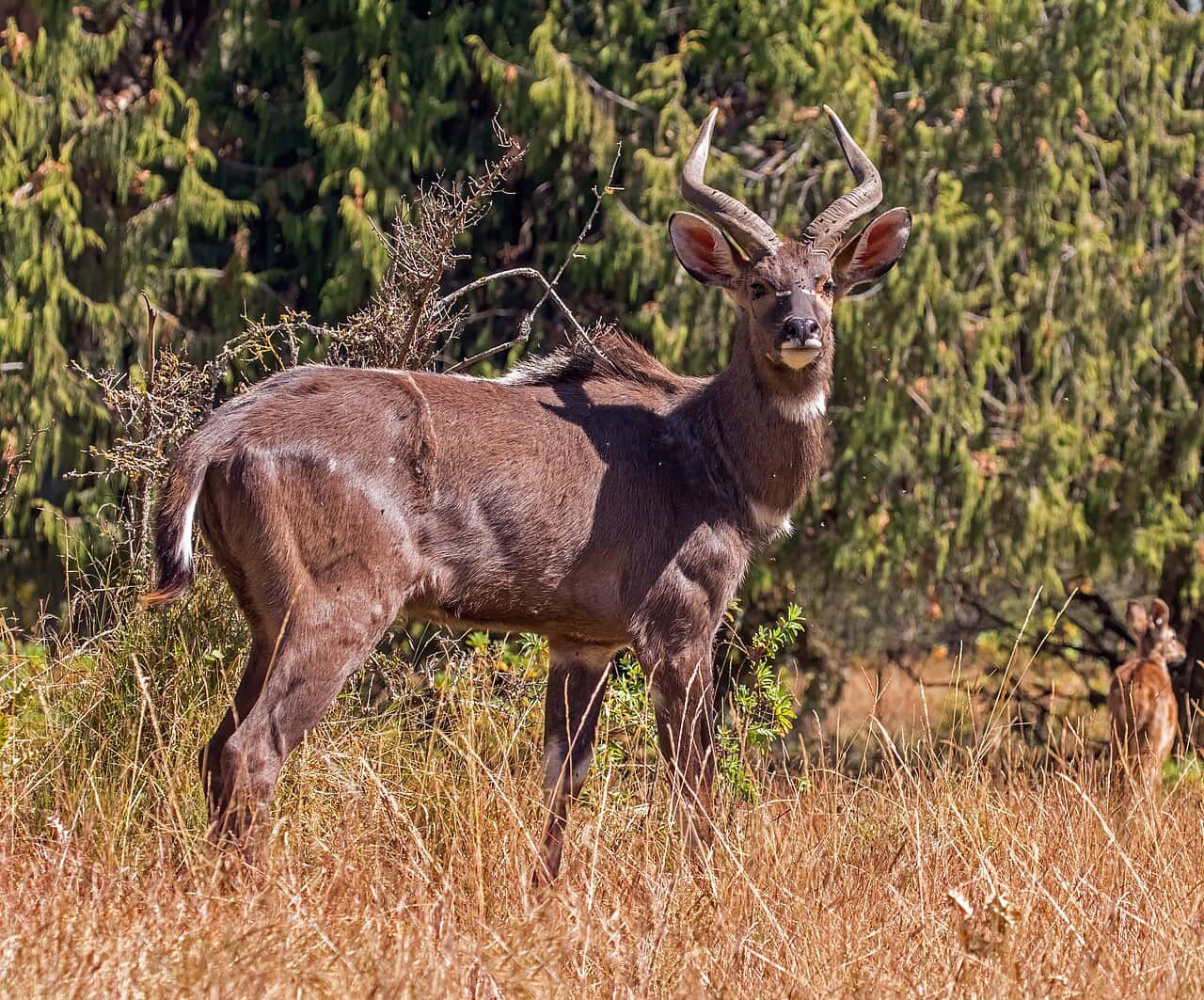
In the northern grasslands and woodland near the park headquarters, you can often see the endemic mountain nyala, a large antelope with spiral horns.
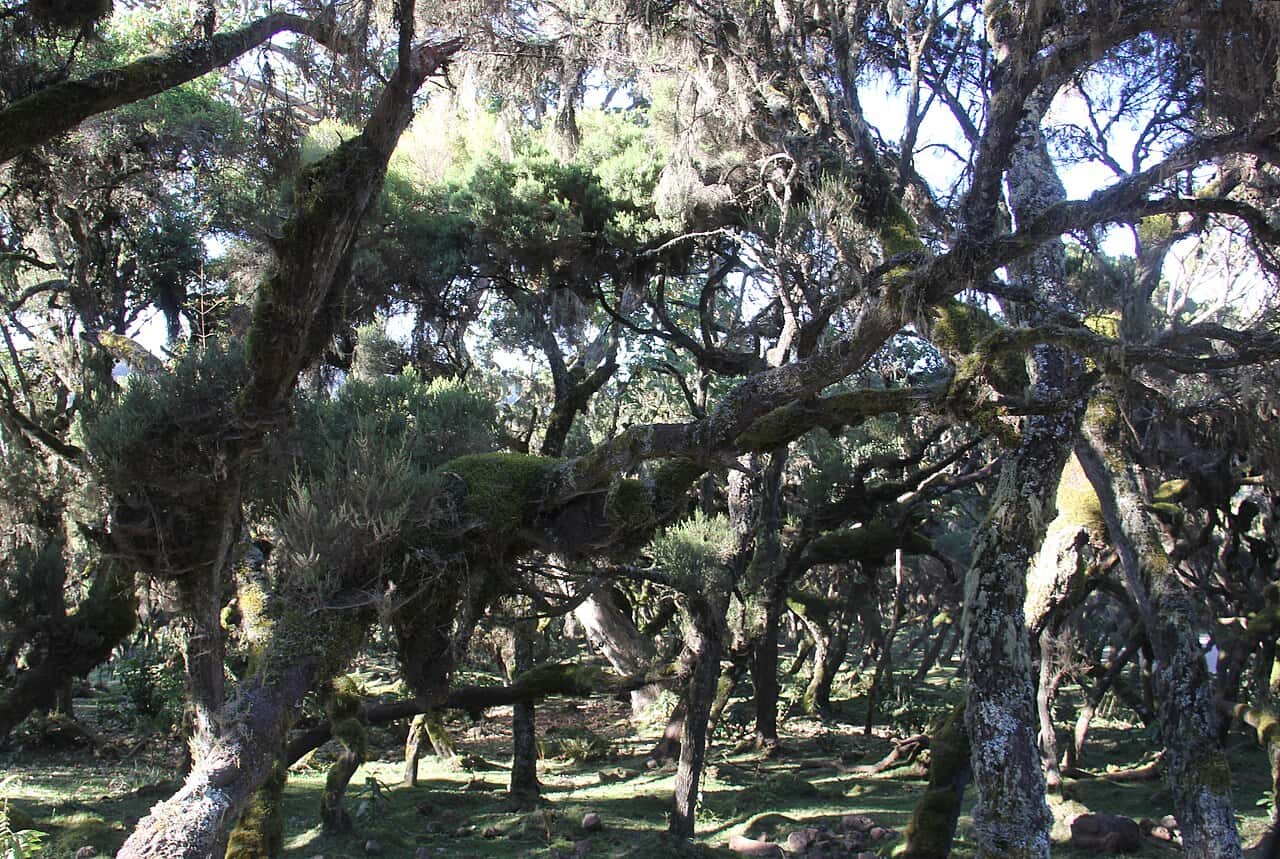
One of Ethiopia's largest natural forests, with moss-hung trees, patches of cloud forest and wild Arabica coffee growing in the understorey.
Ethiopia's second-highest peak at 4,377 m rises from the plateau, with wide views over the Bale massif.
Some 363 bird species have been recorded, along with endemic animals such as the Bale monkey and the giant mole-rat.
They hold the largest population of the endangered Ethiopian wolf and Africa's largest area of Afro-alpine habitat, and they are home to endemic animals such as the mountain nyala.
The park is roughly 400 km south-east of Addis Ababa, usually about 6–7 hours by road.
The rainy season runs from about May to November, so the drier months from December to April are usually the most pleasant for walking and wildlife watching.
Going to Bale Mountains? Tell us where.
One fixed price for the whole car, by email. A real person, usually within the hour.One fixed quote for the whole car, in minutes. A real person, on WhatsApp.