Between 16 and about 22 bird species live only in Ethiopia, depending on the checklist: the African Bird Club lists 16, and the Avibase-based list using Clements taxonomy has 20. Around 25 to 30 more are near-endemics shared mainly with Eritrea, such as the wattled ibis and thick-billed raven. Many are easy to see around Addis Ababa, in the Bale Mountains and along the Rift Valley lakes, but a few, like Stresemann's bushcrow and Prince Ruspoli's turaco, live only in southern areas where travel isn't advised right now.
Get a fixed price for this Ask us for a fixed priceEthiopia has between 16 and about 22 bird species found nowhere else on earth, plus a longer list of near-endemics shared with Eritrea and its neighbours. Many of them live in the cool highlands. Some are easy to see on the edge of Addis Ababa; others live only in remote corners of the south.
Ethiopia Driver is a family-run private driver service in Addis Ababa. We drive birders to Bishoftu, the Rift Valley lakes, Hawassa and the Bale Mountains, but we are drivers, not bird guides. For the best results, bring a specialist bird guide and let us handle the car, the early starts and the hotels.
How many birds are only found in Ethiopia?
It depends on whose list you use. The African Bird Club lists 16 species endemic to Ethiopia and about 30 near-endemics. The Avibase-based country list, which follows the Clements taxonomy, counted 20 endemics among 880 confirmed species in 2021. One widely used birding checklist counts 22 endemics and 25 near-endemics, and some tour companies quote 'over 40' by counting both groups together.
The numbers move because scientists keep splitting and merging species. A bird treated as an Ethiopian subspecies on one list can be a full species, found only in Ethiopia, on another. Birds such as the wattled ibis, thick-billed raven and black-winged lovebird also live in Eritrea, so they appear as endemics on some lists and near-endemics on others. Overall, between about 860 and 880 bird species have been recorded in the country.
Which Ethiopian birds can you see without much effort?
These endemics and near-endemics are found in the highlands around Addis and in places you can reach right now:
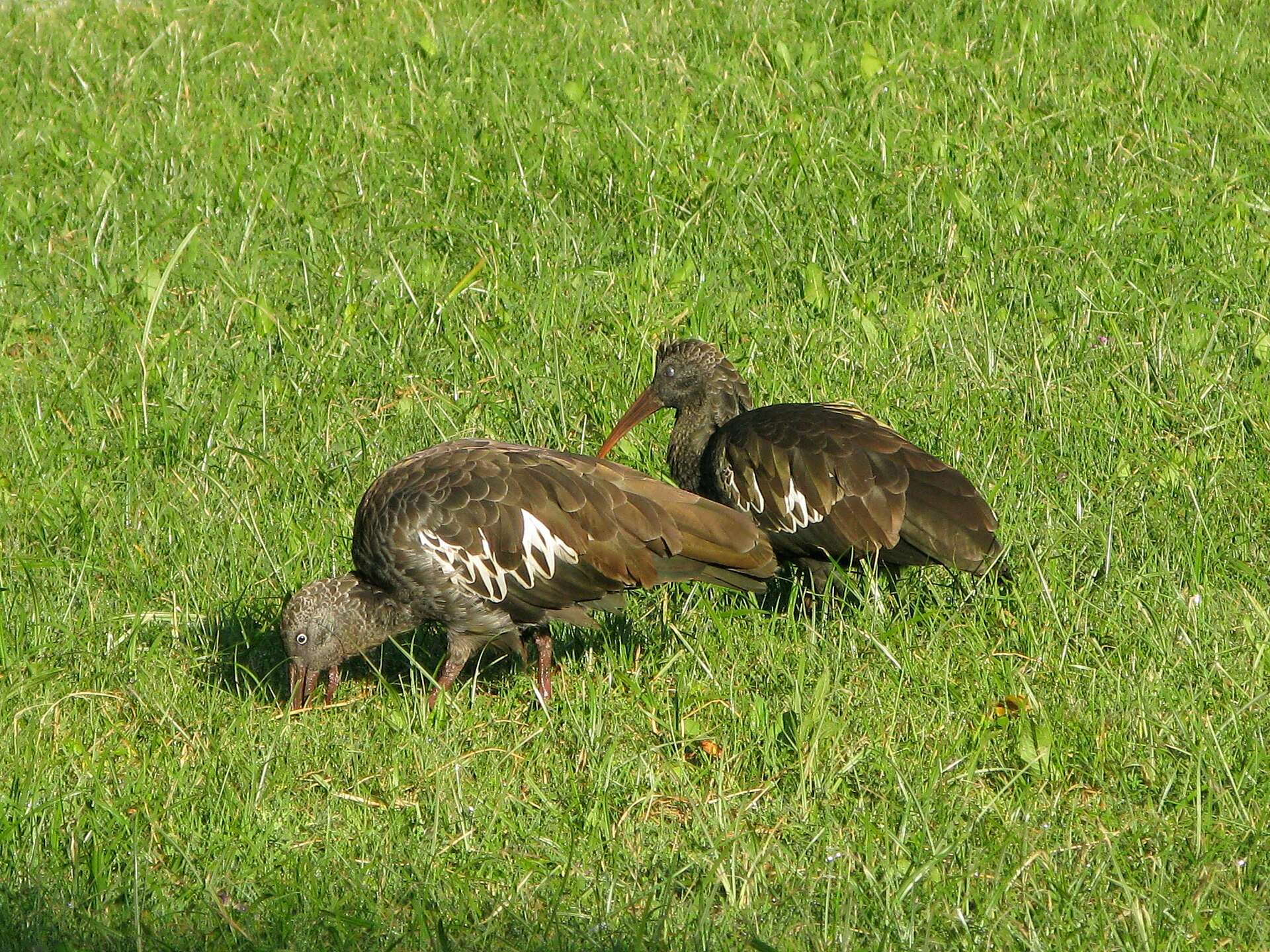
- Wattled ibis (Ethiopia and Eritrea). A dark ibis with a white wing patch and a wattle under its chin. Addis Ababa itself is one of the easiest places to see it.
- White-collared pigeon (near-endemic). A grey pigeon with a white collar, reliable in Addis Ababa.
- Thick-billed raven (near-endemic). A huge highland raven with a massive bill, often seen around the fish market in Hawassa.
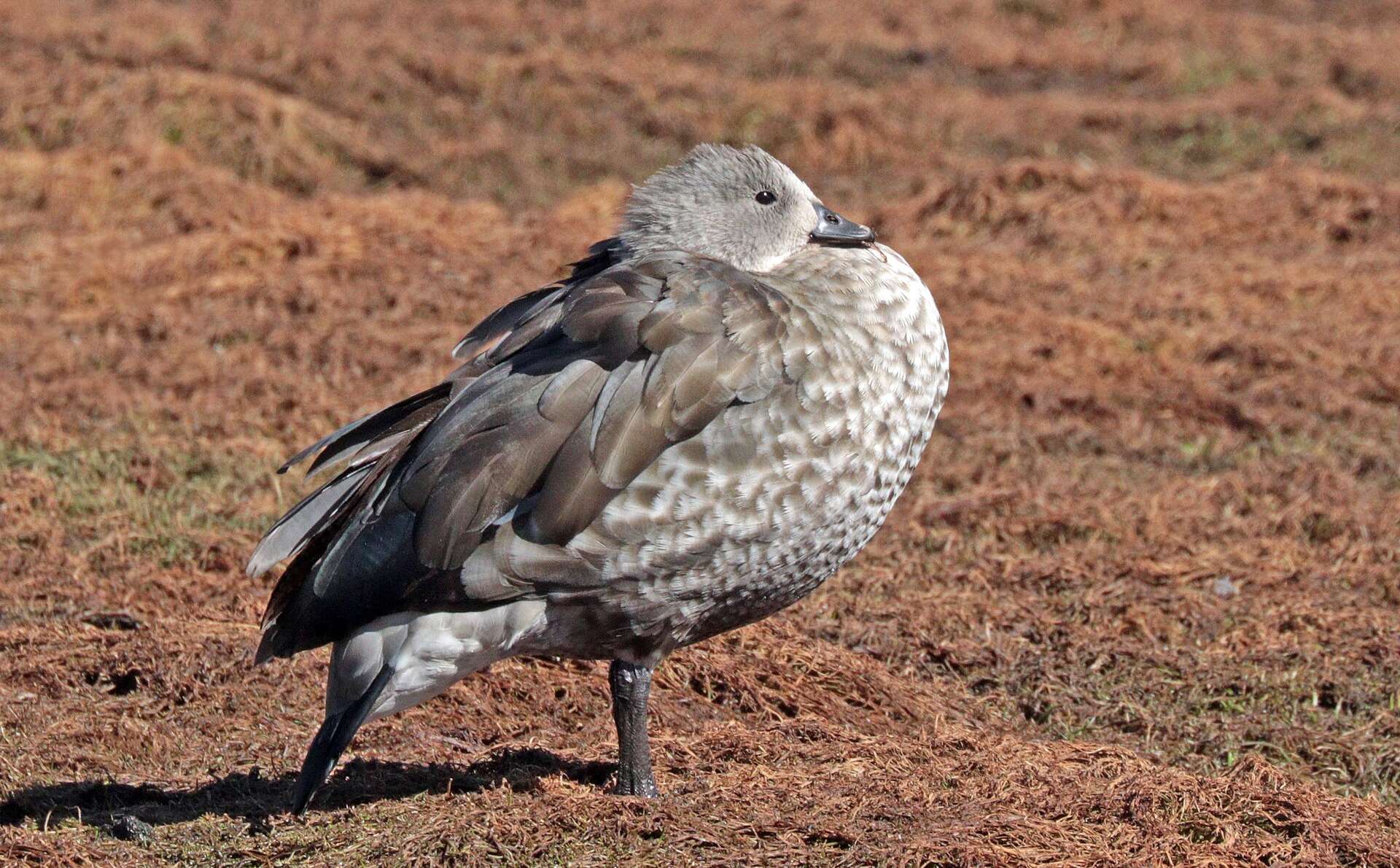
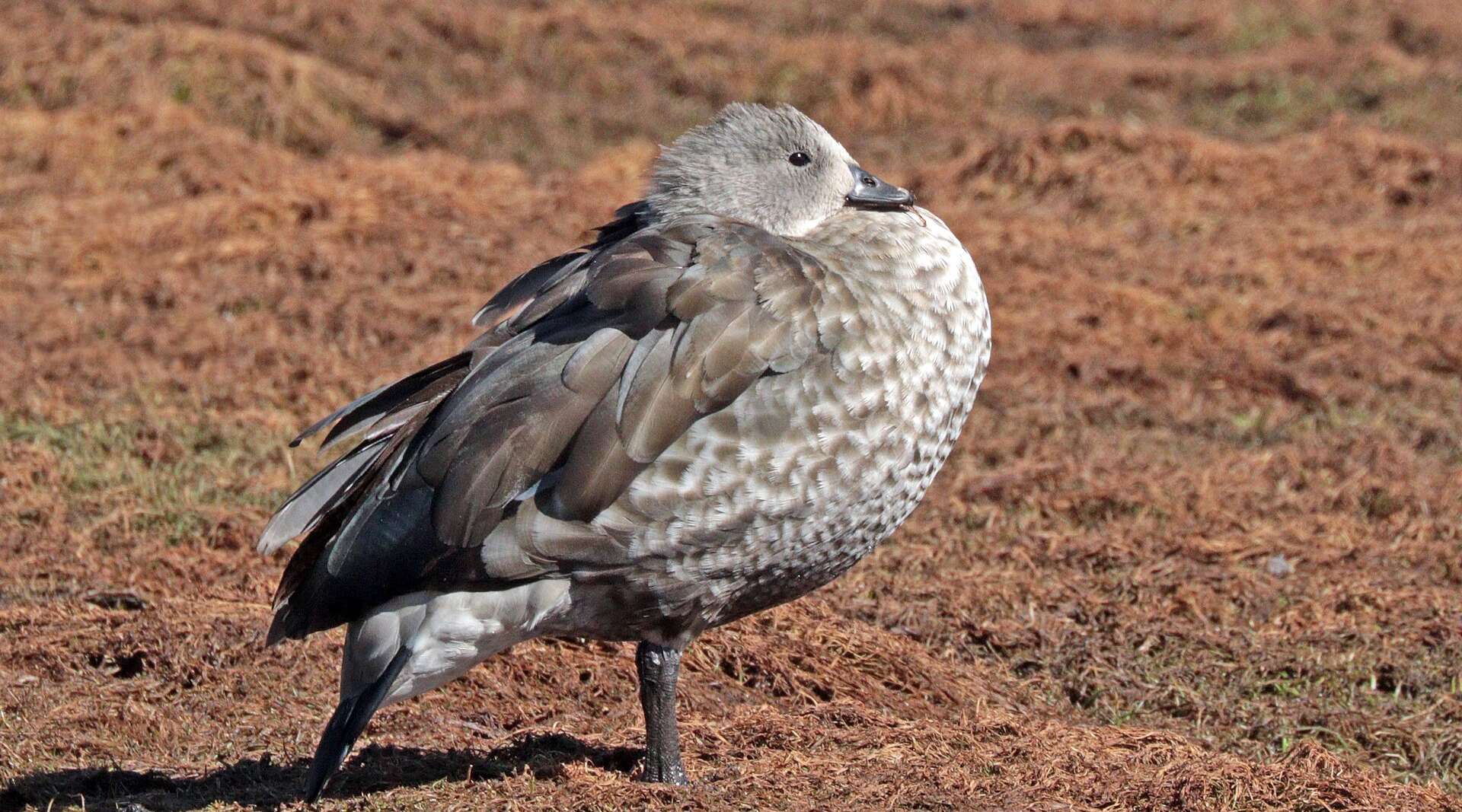
- Blue-winged goose (endemic). A grey-brown highland goose that shows blue on its wings in flight. Look for it on the wetlands of the Bale Mountains and at Gefersa reservoir outside Addis.
- Abyssinian longclaw (endemic). A highland grassland bird with a yellow throat, found at Gefersa and in Bale.
- Yellow-fronted parrot (endemic). A green forest parrot with a yellow face; the woods around Lake Langano are a known site.
- Rouget's rail (near-endemic). A rail of highland marshes, seen in Bale.
- Black-winged lovebird (Ethiopia and Eritrea). A small green parrot of highland woodland; the male has a red forehead.
Which endemic birds are hard to see right now?
Three of Ethiopia's most famous birds live only in the far south. Stresemann's bushcrow and the white-tailed swallow are found in a small area of acacia country around Yabelo and Mega, and Prince Ruspoli's turaco, a striking turaco of juniper forest, lives around Negele and Yabelo. These areas are in Borena and Guji, where US advice currently says do not travel, and one specialist birding company has described the Negele area as off-limits for many years. Travel there isn't advised right now.
The same goes for the Ankober serin, found on the Ankober escarpment north-east of Addis in Amhara, under an all-travel warning, and for Awash National Park east of Addis, where official advice currently warns against travel.
Where can you go birdwatching from Addis Ababa right now?
| Option | Time | Cost | Good for |
|---|---|---|---|
| Entoto Park, Addis Ababa | Inside the city | Fixed quote | An early-morning start among highland woods |
| Bishoftu crater lakes | About an hour on the expressway | Fixed quote | Waterbirds on Lake Bishoftu Guda and Cheleleka |
| Rift Valley lakes and Hawassa | A full day south, best with a night in Hawassa | Fixed quote | Pelicans, flamingos, forest parrots, raptors |
| Bale Mountains National Park | Long day's drive; plan 2–3 nights | Fixed quote | Most highland endemics, plus Ethiopian wolf |
| Gefersa reservoir | Edge of the city | Check advice first | Blue-winged goose, wattled ibis, longclaw |
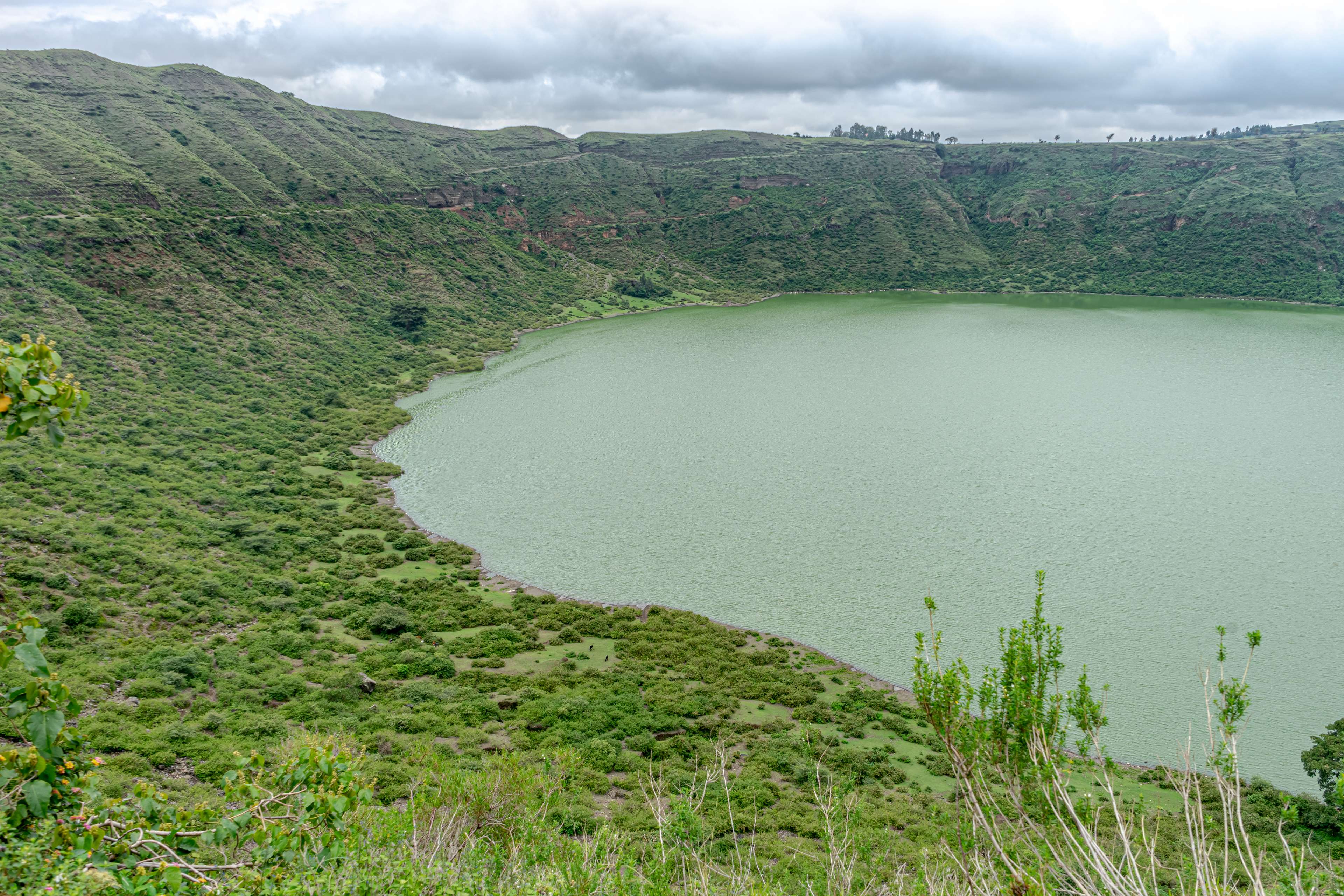
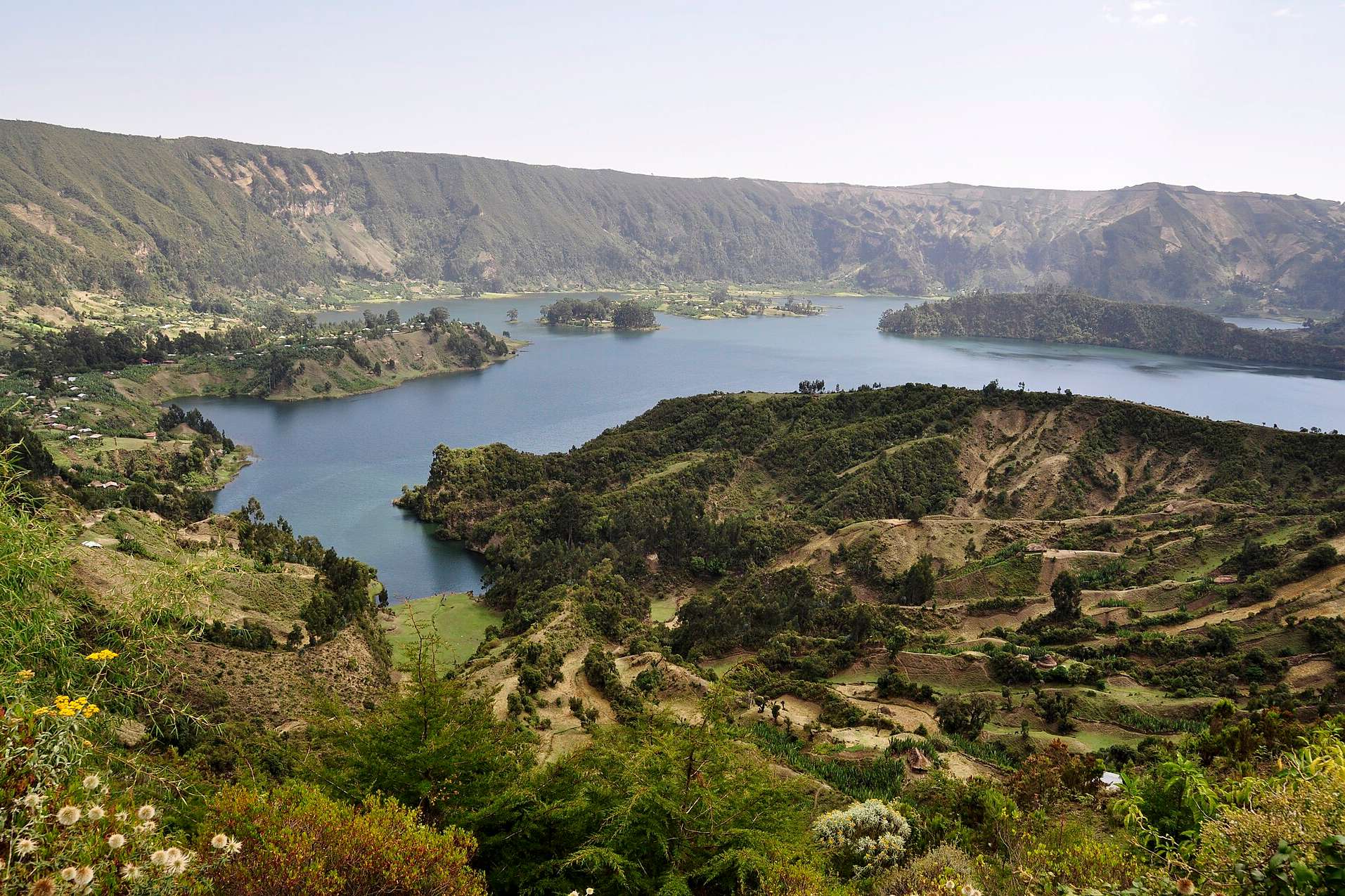
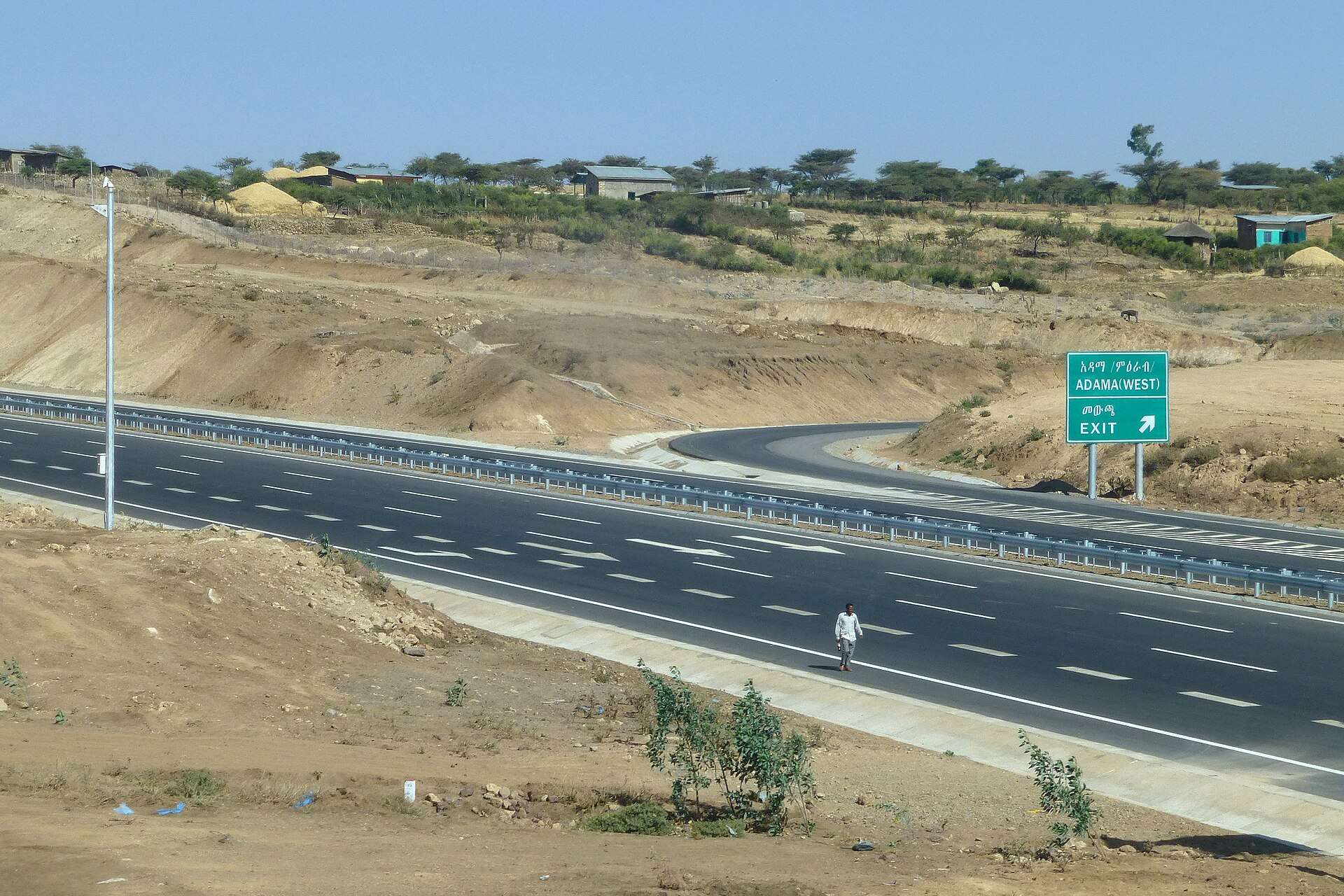
Entoto Park sits on the mountains above Addis and is the easiest place to start; see our guide to Entoto Park. Bishoftu, about an hour away, has crater lakes, including Lake Bishoftu Guda, and the Cheleleka wetland, and it lies inside the exemptions in official advice. Our page on what to do in Bishoftu covers the lakes.
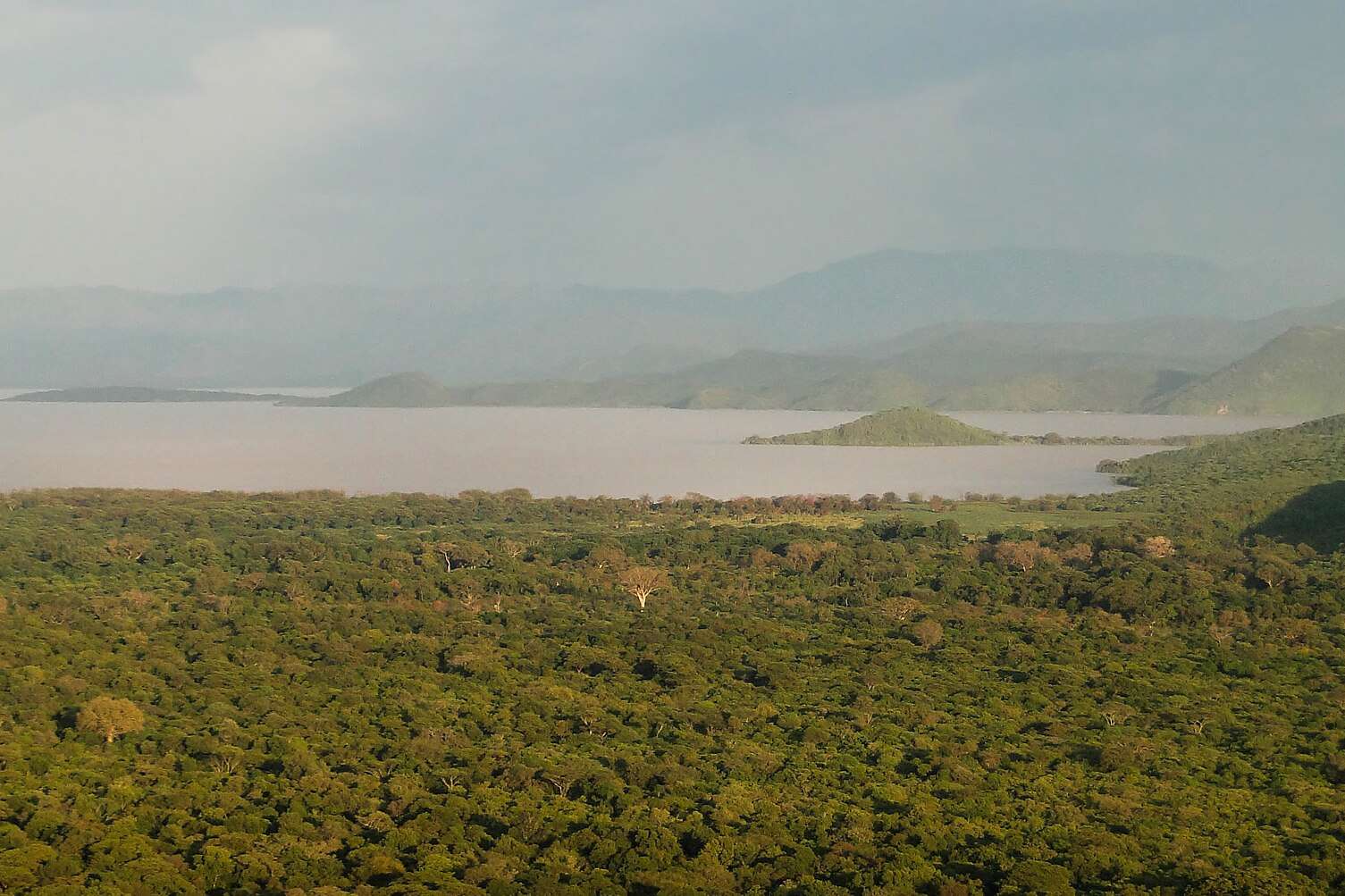
Further south, Lake Ziway, Lake Langano, the soda lakes of Abijatta-Shalla and Lake Hawassa line the main road. Langano's woods hold the yellow-fronted parrot, Abijatta-Shalla is known for flamingos and pelicans, and Hawassa's fish market is famous for marabou storks, great white pelicans and thick-billed ravens. We drive this road to Hawassa regularly; see how to visit Ziway, Langano and Abijatta-Shalla.
The Bale Mountains are the best single area: at least 363 bird species have been recorded in the park, including 27 endemics and near-endemics of Ethiopia and the Horn of Africa, from blue-winged geese on the plateau to forest birds in the Harenna. Plan two or three nights; our guide to the Bale Mountains explains the routes. Gefersa reservoir, just outside the city, is a classic first stop for the goose, ibis and longclaw, but it lies in Oromia, so ask us before you plan it.
When is the best time to go birding in Ethiopia?
October to March is the most popular window. Birds are active at the end of the long rains in September and October, and migrants from Europe and Asia are in the country from about October to March. Many tours run between November and February, the dry season. The highland main rains, roughly June to September, are the time to avoid, when the weather can get in the way of a trip. In the dry lowlands, bird activity drops from about January until the rains return.
Do you need a bird guide in Ethiopia?
For endemics, yes. Many of them are quiet, local or easy to confuse, and a specialist bird guide knows the sites and the calls. Book one through a birding tour company or a local guide recommended by a birding club. Our drivers know the roads, not the birds, so the best plan is simple: your guide finds the birds, and we get you there early, wait while you walk, and have you back before dark.
Our drivers work across Ethiopia and report road conditions as they happen, so we often know about a change before it reaches the news. Before every trip outside Addis we do our own security check and agree the route and timing with you.
Questions people ask us
How many bird species are there in Ethiopia?+−
Between about 860 and 880 species have been recorded, depending on the list. Of these, 16 to about 22 are found only in Ethiopia.
Is the wattled ibis only found in Ethiopia?+−
Almost. It lives in the highlands of Ethiopia and Eritrea, so most lists call it a near-endemic. It is easy to see in and around Addis Ababa.
Where can I see the blue-winged goose?+−
On highland wetlands, especially in the Bale Mountains. Gefersa reservoir just outside Addis is another known site, but check the current advice for that area first.
Can you go birdwatching in Addis Ababa?+−
Yes. Wattled ibis and white-collared pigeons are common in the city, and Entoto Park on the mountains above Addis is a good early-morning start. Bishoftu's crater lakes are about an hour away.
What is the best month for birding in Ethiopia?+−
October to March is the most popular window, with migrants present and the dry season from November. Avoid the highland main rains from about June to September.
Can a private driver take me birdwatching around Addis and the Rift Valley?+−
Yes. Ethiopia Driver drives birders and their guides to Entoto, Bishoftu, the Rift Valley lakes, Hawassa and Bale, waits while you bird and can book hotels in birr. We are drivers, not bird guides. Message us on WhatsApp or email for a fixed quote for the whole car.
Sources
We checked this answer against these pages on 23 October 2026. Rules and advice change, so check official sources before you travel.
- Ethiopia country page: endemics, near-endemics, sites and timing · African Bird Club
- List of birds of Ethiopia (Avibase list, Clements taxonomy) · Wikipedia
- About birding in Ethiopia · Exotic Birding
- Ethiopian endemics: a guide to the country's unique wildlife · Bradt Guides
- Ethiopia's endemics · 10,000 Birds
- Classic Ethiopia birding tour · Birdquest
- Ethiopia: Birding the Roof of Africa · Tropical Birding
- Bale Mountains National Park: 2025 Conservation Outlook · IUCN World Heritage Outlook
- Abijatta-Shalla National Park · Brilliant Ethiopia
- Ethiopia travel advice (regional risks) · UK Foreign, Commonwealth & Development Office
- Travel Advisory: Ethiopia – August 27, 2026 · U.S. Embassy in Ethiopia / US Department of State
Written by Abel Gizaw, Addis Ababa. Abel schedules our drivers. A family-run driver service. We only write about roads we drive ourselves and we update these answers regularly. Something changed? Tell us on WhatsApp.