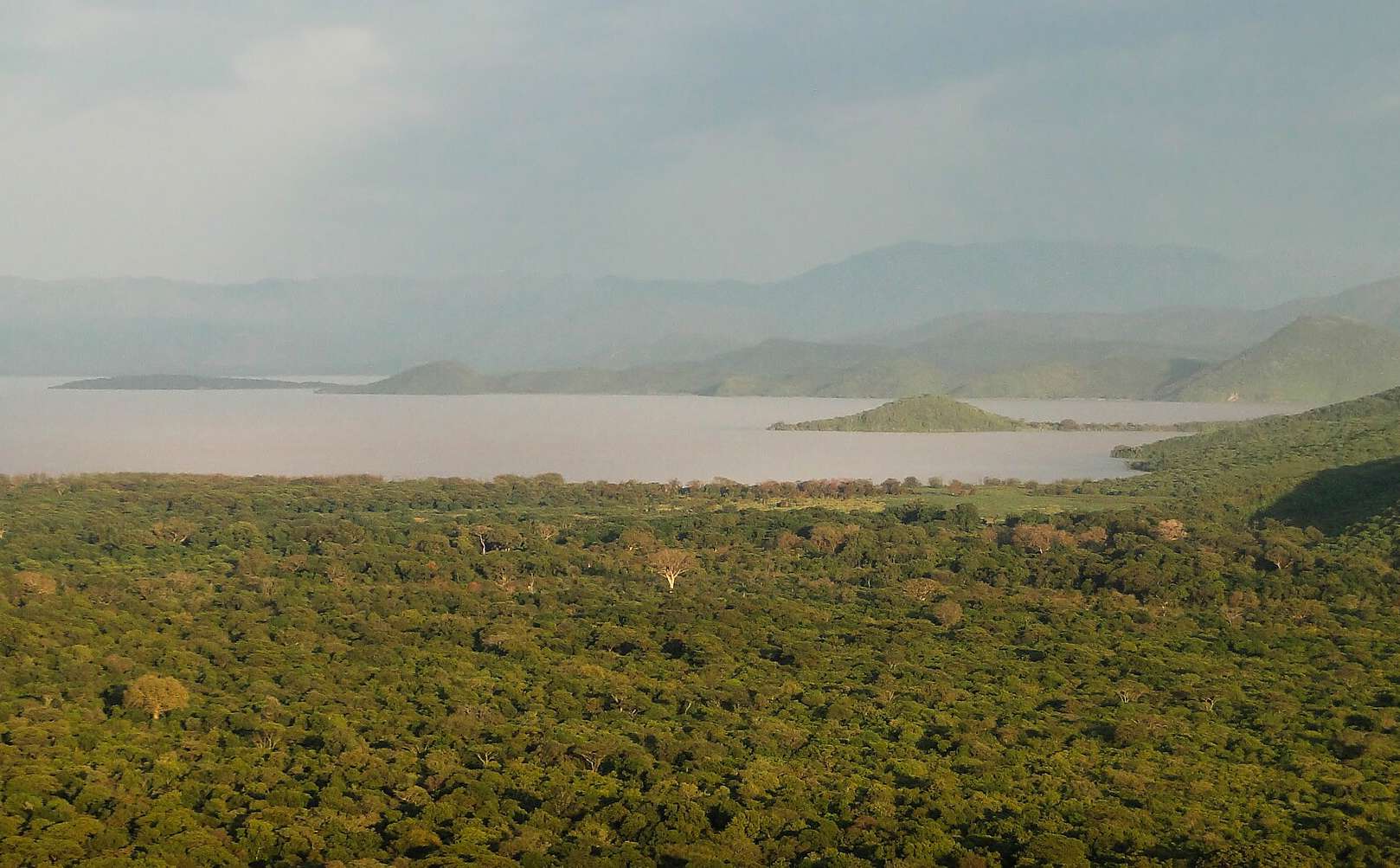
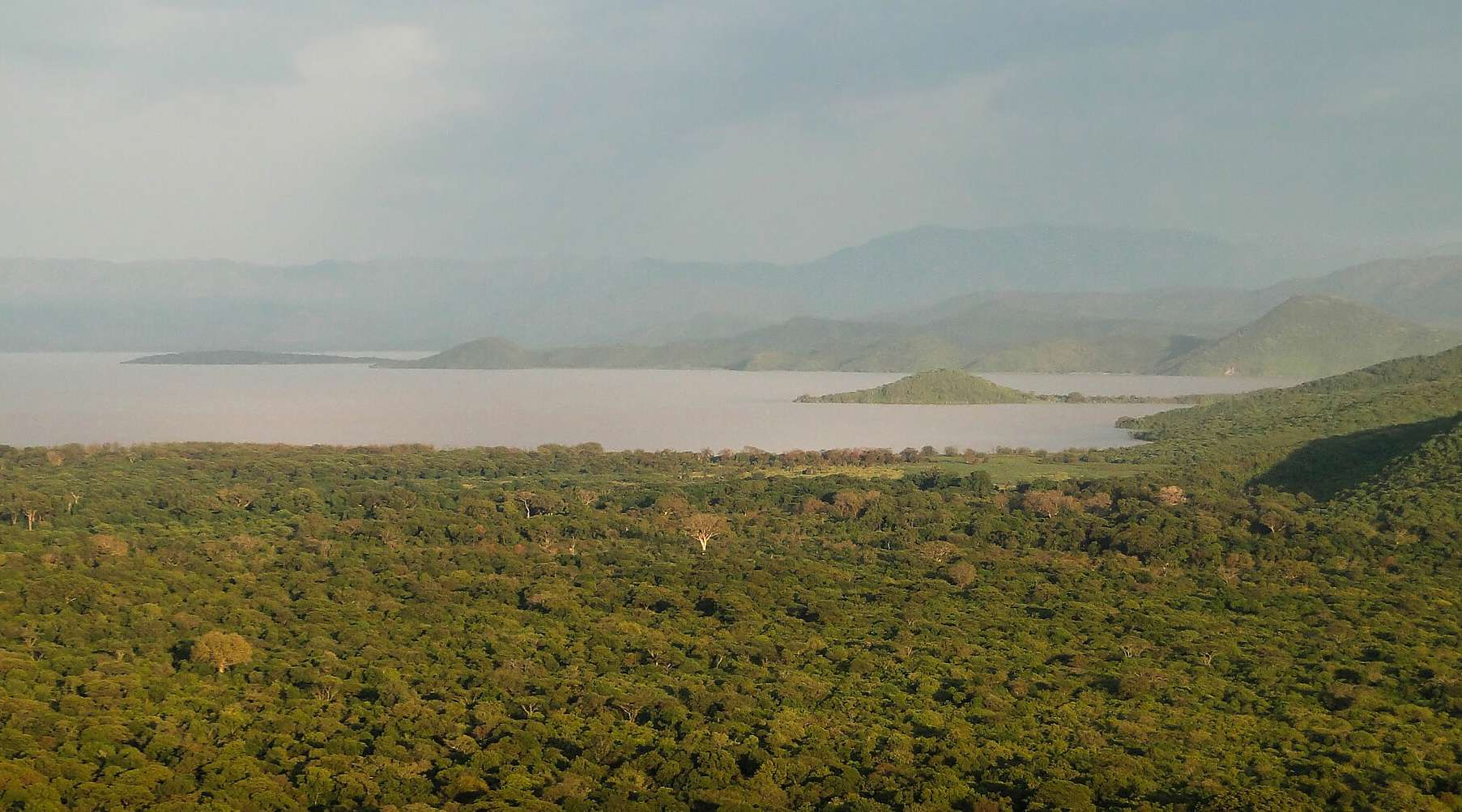
Lake Tana is the largest lake in Ethiopia, at roughly 3,000–3,700 km² depending on the season and the source, and it is the source of the Blue Nile. The largest lake in the Rift Valley is Abaya, at about 1,160 km², followed by Ziway, Chamo, Shala, Langano, Abijatta and Hawassa. Tana is in Amhara, where travel isn't advised right now, but the Rift Valley lakes, Hawassa and Bishoftu's crater lakes can be visited by car from Addis Ababa.
Get a fixed price for this Ask us for a fixed priceLake Tana is the largest lake in Ethiopia, covering roughly 3,000–3,700 km² depending on the season and who is measuring. It is the lake the Blue Nile flows out of. After Tana, the biggest lakes are in the Rift Valley south of Addis Ababa: Abaya first, at about 1,160 km², then Ziway, Chamo, Shala, Langano, Abijatta and Hawassa. On top of these come many small, deep crater lakes, the best known around Bishoftu.
The good news for travellers is that most of the big lakes are in the south, where the lake towns are open and busy with ordinary life. Ethiopia Driver is a family-run private driver service in Addis Ababa, and we drive to Bishoftu, the Rift Valley lakes, Hawassa and Arba Minch regularly. Lake Tana, in the north, is the one to leave for a later trip.
How do Ethiopia's lakes rank by size?
Lakes change size with the rains, and surveys measure them in different years, so published figures differ. Where two reliable figures disagree, we give both. These are natural lakes wholly or mostly inside Ethiopia:
- Lake Tana, about 3,000–3,700 km². In the north-western highlands near Bahir Dar. Shallow for its size, with island monasteries and the outflow of the Blue Nile.
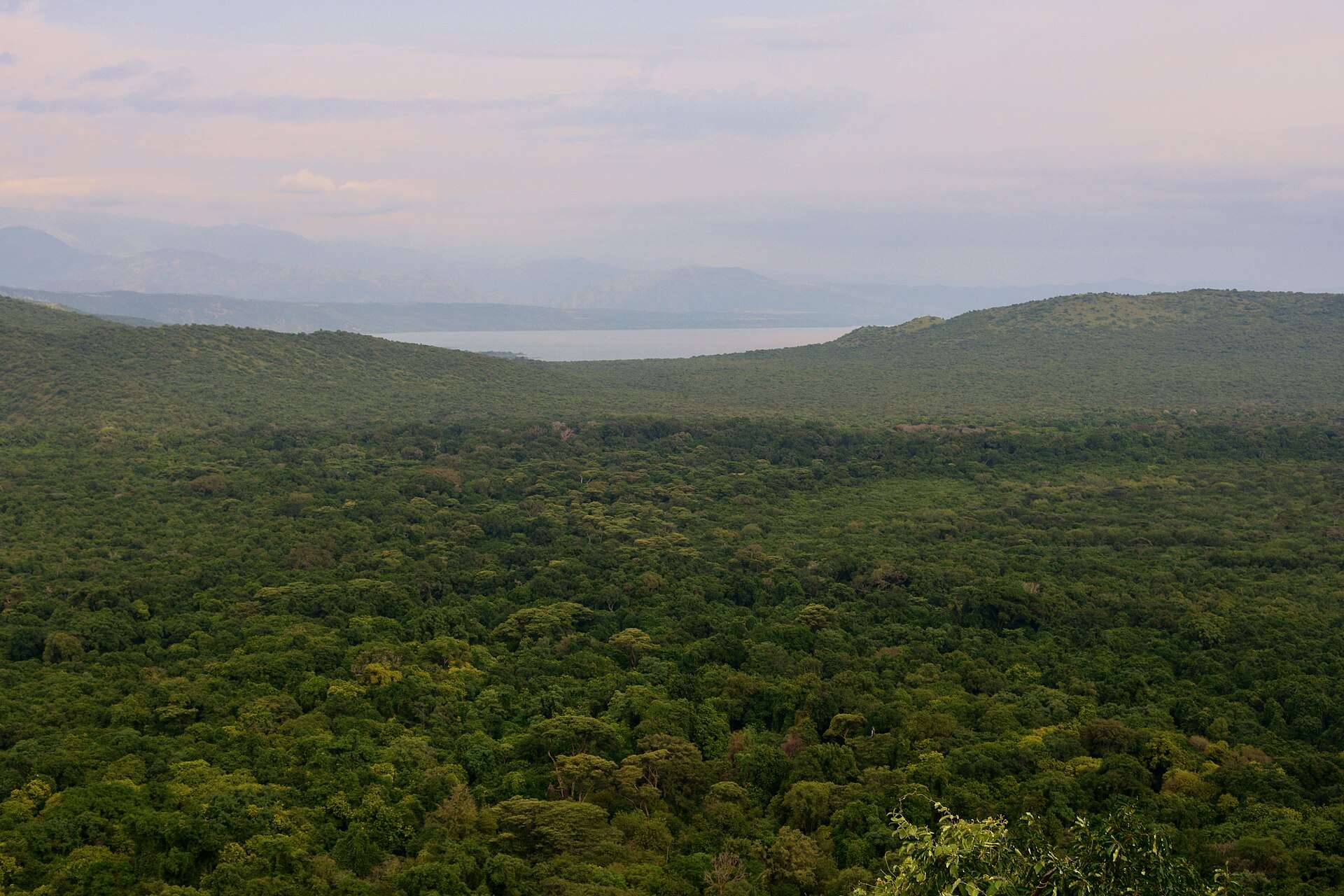
- Lake Abaya, about 1,160 km². The largest Rift Valley lake, beside Arba Minch, with reddish-brown water from the sediment it carries.
- Lake Ziway, about 440–485 km². A shallow freshwater lake on the main road south, with inhabited islands.
- Lake Chamo, about 320–550 km². Just south of Abaya; sources differ a lot on its size. Known for its crocodiles.
- Lake Shala, about 330 km². A soda lake and by far the deepest of the Rift Valley lakes, at around 260 m.
- Lake Langano, about 230 km². Brown, mineral-rich water, and the one lake known as a place to swim.
- Lake Abijatta, about 205 km². A shallow soda lake famous for flamingos, now much smaller than that old figure.
- Lake Hawassa, about 129 km². A freshwater lake beside the city of Hawassa.
Remote salt lakes such as Abbe on the Djibouti border and Chew Bahir in the far south are about Shala's size, but they sit in border areas well off any normal route. Lake Turkana is far larger than any of these, but only its northern tip reaches into Ethiopia; most of it is in Kenya.
How many lakes are there in Ethiopia?
There is no single official count. Reference lists of Ethiopian lakes name around two dozen main lakes, and on top of those there are numerous small crater lakes, many of them high up and deep. One long-standing estimate for fisheries puts the country's total natural lake area at about 7,500–8,800 km². Lake Tana alone is roughly half of that, and a chain of eight Rift Valley lakes makes up about 40%.
Are there acid lakes in Ethiopia?
Not in the sense most people mean. The Rift Valley lakes such as Shala and Abijatta are the opposite: strongly alkaline soda lakes, where flocks of flamingos gather. Ethiopia's truly acidic water is in the hot, colourful brine pools of Dallol in the Danakil Depression, some of the most acidic on Earth, with measured pH values from 0.1 down to below zero. The Danakil is in Afar, where travel isn't advised right now.
Which lakes can you visit right now?
| Option | Time | Cost | Good for |
|---|---|---|---|
| Bishoftu crater lakes | About 50 minutes, 48 km | Fixed quote | Lunch on a crater rim, birds, Irreecha at Lake Hora |
| Ziway, Langano, Abijatta-Shala | On the main road to Hawassa | Fixed quote | Island monastery, a swim, flamingos, hot springs |
| Lake Hawassa | About 270 km by road | Fixed quote | Fish market, lakeside walks, a night or two |
| Abaya and Chamo (Arba Minch) | A long drive, best split over two days | Fixed quote | Crocodiles, Nechisar National Park |
| Lake Tana (Bahir Dar) | Far north | Not advised now | Island monasteries, Blue Nile; wait for advice to change |
Bishoftu's crater lakes
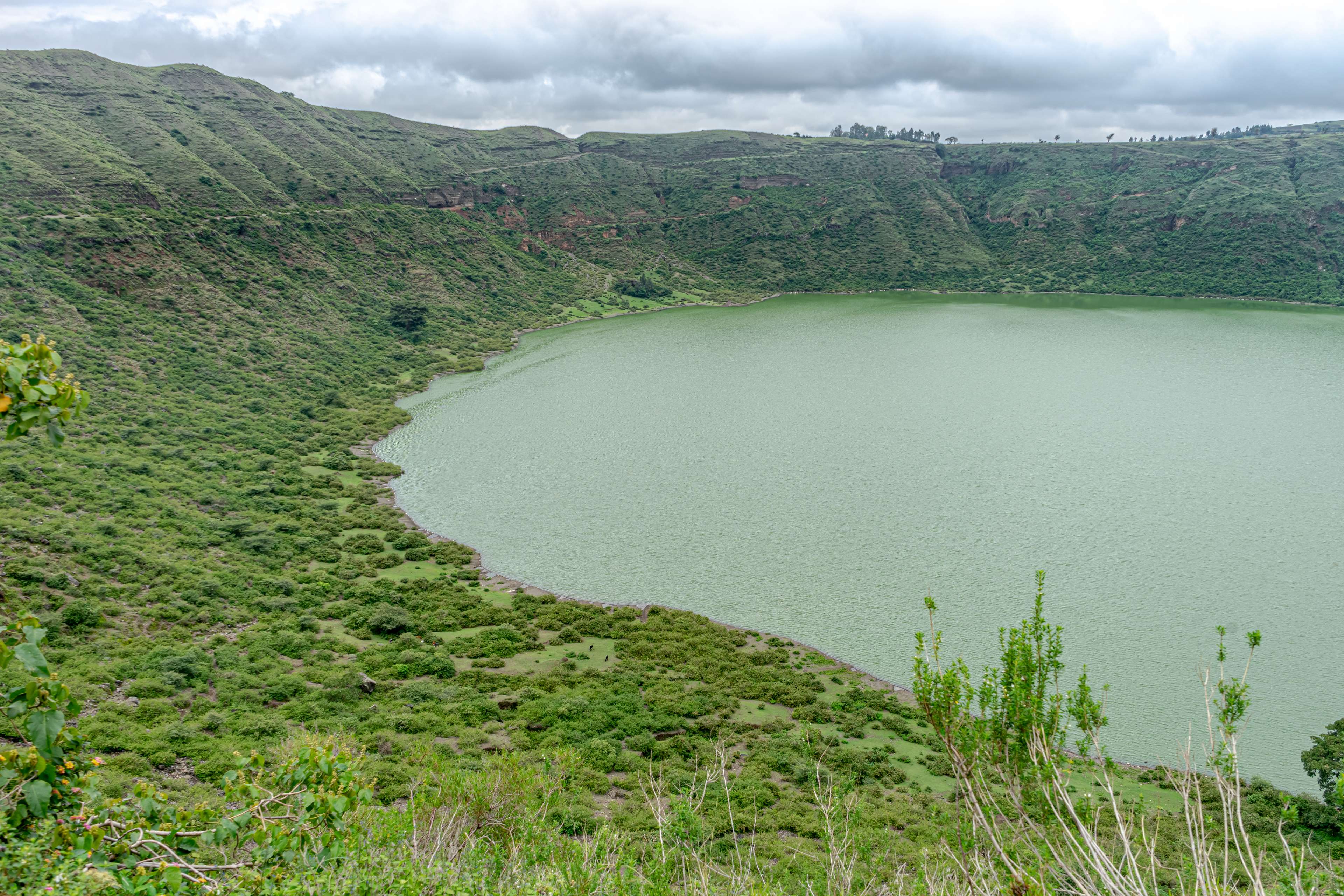
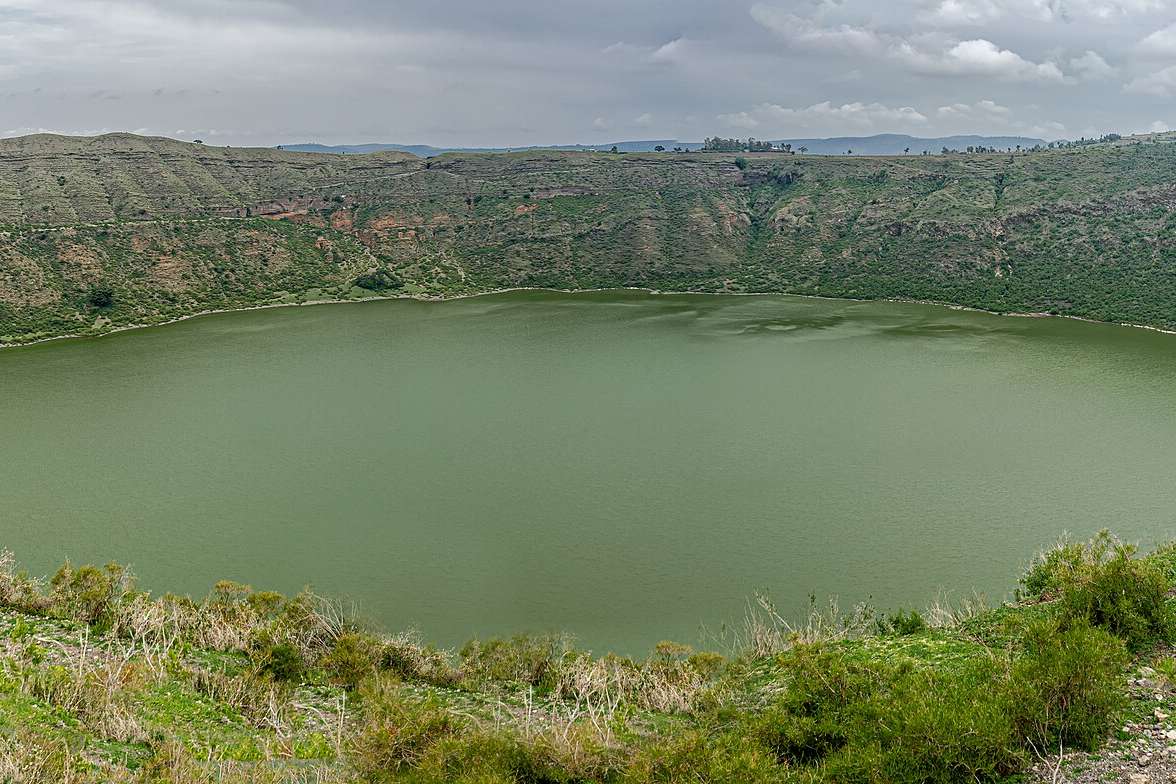
The closest lakes to Addis are in Bishoftu, about 48 km south-east of the city and around 50 minutes on the expressway. Hora, Bishoftu, Babogaya and Kuriftu fill old volcanic craters in and around the town. They are tiny next to the Rift Valley lakes, around a square kilometre, but deep: Lake Bishoftu reaches roughly 85 m. Lake Hora hosts the Irreecha thanksgiving festival each year. Bishoftu and the expressway are exceptions to the official warnings for the area; see what to do in Bishoftu.
Ziway, Langano and Abijatta-Shala
Further south, the main road to Hawassa runs past three very different lakes. Ziway is freshwater, with birdlife at its jetty and the monastery of Tullu Guddo on one of its islands; by tradition, it once sheltered the Ark of the Covenant. Langano's brown water is free of bilharzia, the parasite in most Ethiopian freshwater lakes, so it is the one people swim in, from beaches and resorts. In Abijatta-Shala National Park, Shala has hot springs on its shore, while shallow Abijatta draws flamingos; research suggests it has lost more than a third of its area since the 1970s.
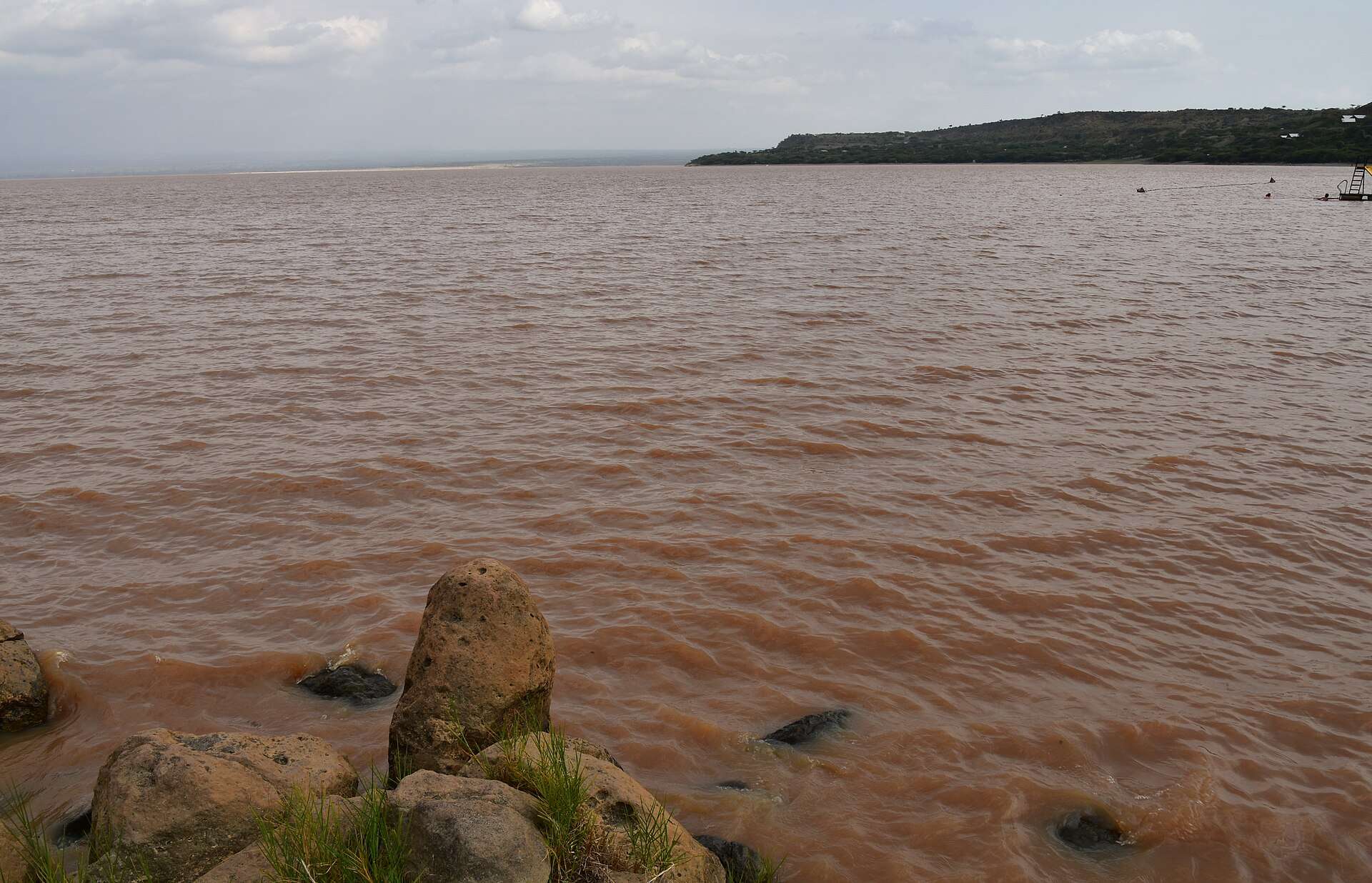
Official advice exempts the main A7 road from its warnings for this part of Oromia, while US advice is stricter for Oromia as a whole, so we treat the lakes as stops on or close to the main road. Our guide to visiting Ziway, Langano and Abijatta-Shalla by car has the details.
Lake Hawassa
Hawassa is a lakeside city about 270 km south of Addis, and the lake is the reason to go: a lively fish market on the shore where pelicans and marabou storks gather, and easy walks along the water. It makes a good base for a night or two. See what to do in Hawassa.
Abaya and Chamo at Arba Minch
At the southern end of the chain, Arba Minch sits between the two biggest Rift Valley lakes, with Nechisar National Park on the strip of land between them. A boat trip on Chamo to see its Nile crocodiles and hippos is the highlight. It is a long drive from Addis, so a night in Hawassa on the way makes sense. Our guide to what to do in Arba Minch covers the lakes, the park and the Dorze highlands.
Can you visit Lake Tana right now?
Not at the moment. Lake Tana is in Amhara region, and official travel advice currently warns against all travel to Amhara, including Bahir Dar and the lake. Its island monasteries will still be there when the advice changes; until then, the Rift Valley lakes make the easiest lake trip in Ethiopia.
How do you plan a lakes trip from Addis?
- One day: Bishoftu's crater lakes, with lunch on a rim and back to Addis by late afternoon.
- Two or three days: Ziway, Langano and Abijatta-Shala on the way south, then a night or two in Hawassa.
- Four days or more: carry on from Hawassa to Arba Minch for Abaya, Chamo and Nechisar.
- Travel in daylight: leave early and arrive before dark; we plan the timing of every long drive with you.
- Swimming: apart from Langano, assume a lake may carry bilharzia, and ask a travel clinic before you go in.
Tell us your dates and which lakes you want to see. We can book the hotels for you in birr, so you pay us one amount in US dollars or your own currency for the rooms and the car.
Questions people ask us
What is the largest lake in Ethiopia?+−
Lake Tana, at roughly 3,000–3,700 km² depending on the season and the source. It lies in the north-western highlands near Bahir Dar and is the source of the Blue Nile.
What is the largest lake in the Ethiopian Rift Valley?+−
Lake Abaya, at about 1,160 km². It lies beside Arba Minch in southern Ethiopia, with Lake Chamo just to the south.
How many lakes are there in Ethiopia?+−
There is no single official count. Reference lists name around two dozen main lakes, plus numerous small crater lakes. Lake Tana makes up roughly half of the country's natural lake area.
Are there acid lakes in Ethiopia?+−
The Rift Valley soda lakes, such as Shala and Abijatta, are alkaline, not acidic. The truly acidic pools are at Dallol in the Danakil Depression, where pH falls below zero, but travel to Afar isn't advised right now.
Which Ethiopian lake can you swim in?+−
Lake Langano is the one known as free of bilharzia, and people swim there from beaches and resorts. Most other freshwater lakes in Ethiopia carry the parasite, so check with a travel clinic first.
Can someone drive me to the Rift Valley lakes from Addis Ababa?+−
Yes. Ethiopia Driver is a family-run private driver service in Addis Ababa. We drive to Bishoftu, the Rift Valley lakes, Hawassa and Arba Minch regularly, and can book your hotels too. Message us on WhatsApp or email for one fixed quote.
Sources
We checked this answer against these pages on 23 October 2026. Rules and advice change, so check official sources before you travel.
- Lake Tana · Encyclopaedia Britannica
- Lake Shala · Encyclopaedia Britannica
- World Lake Database: Lake Abaya (AFR-201); also Abijata, Awassa, Chamo, Koka, Shala, Tana and Ziway entries · International Lake Environment Committee (ILEC)
- List of lakes of Ethiopia · Wikipedia
- Major Lakes Of The Ethiopian Rift Valley · WorldAtlas
- Biodiversity: Ethiopia (country information, after Vanden Bossche and Bernacsek 1990) · FishBase
- A Trio of Ethiopian Lakes · NASA Earth Observatory
- Grand Ethiopian Renaissance Dam: how Africa's largest hydropower project is powering Ethiopia's future · International Water Power & Dam Construction
- A Polyextreme Hydrothermal System Controlled by Iron: The Case of Dallol at the Afar Triangle · ACS Earth and Space Chemistry (via PubMed Central)
- Crater lakes around Bishoftu · Oromia Tourism Commission
- Central Rift Valley Lakes · Visit Ethiopia (Ethiopian Tourism)
- Lake Langano at a glance · Brilliant Ethiopia
- Ethiopia travel advice: warnings and insurance · UK Foreign, Commonwealth & Development Office
- Travel Advisory: Ethiopia (August 27, 2026) · U.S. Embassy in Ethiopia / US Department of State
- Lake Zway (Lake Batu) · Wikipedia
- Lake Chamo · Wikipedia
- Lake Abaya · Wikipedia
- Dallol (hydrothermal system) · Wikipedia
- Bishoftu lake (Key Biodiversity Area factsheet) · Key Biodiversity Areas Partnership
- Addis Ababa to Bishoftu · Rome2rio
Written by Abel Gizaw, Addis Ababa. Abel schedules our drivers. A family-run driver service. We only write about roads we drive ourselves and we update these answers regularly. Something changed? Tell us on WhatsApp.