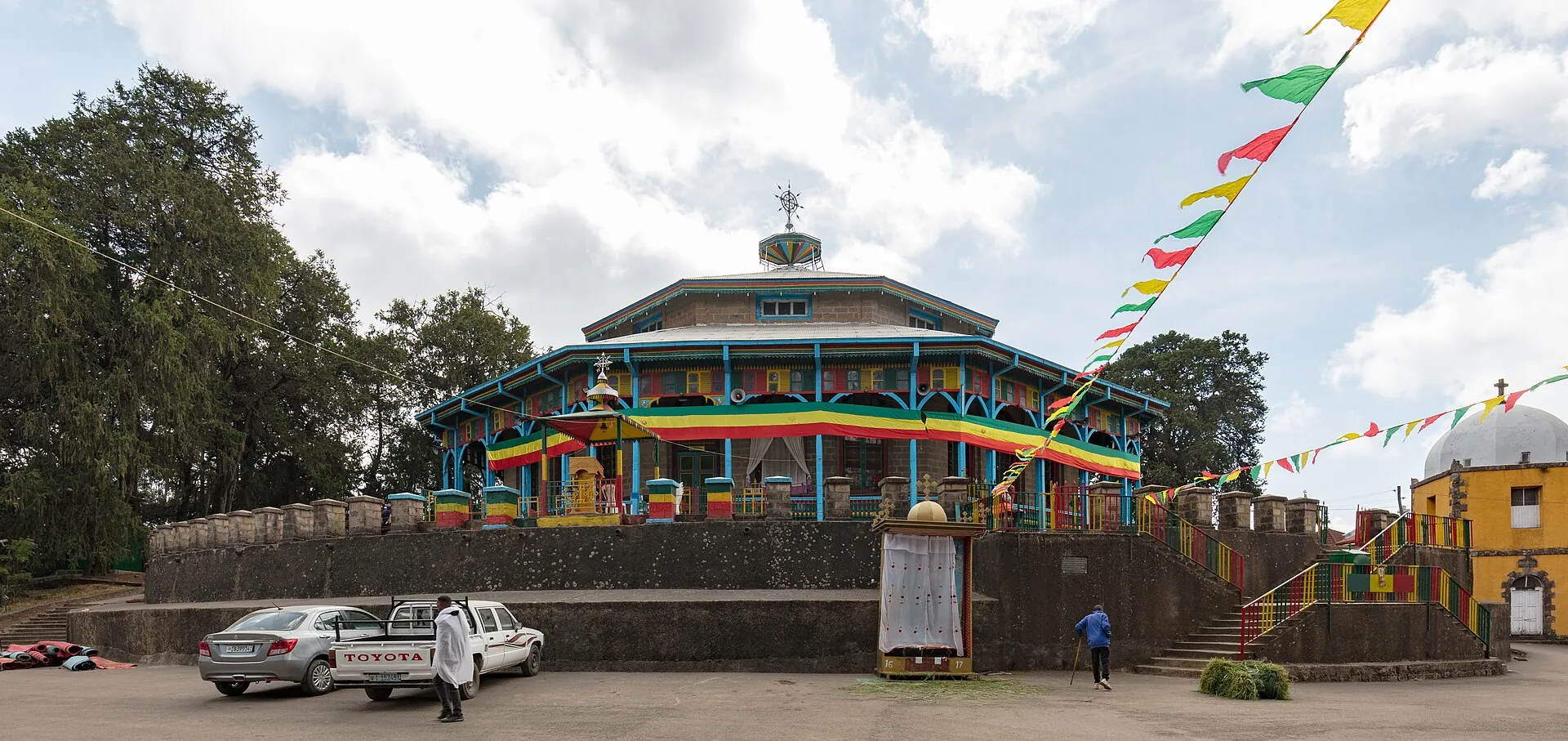
The capital and the place every trip starts. Bole airport, hotels, traffic, coffee, and the roads out to the rest of the country.
25 answers
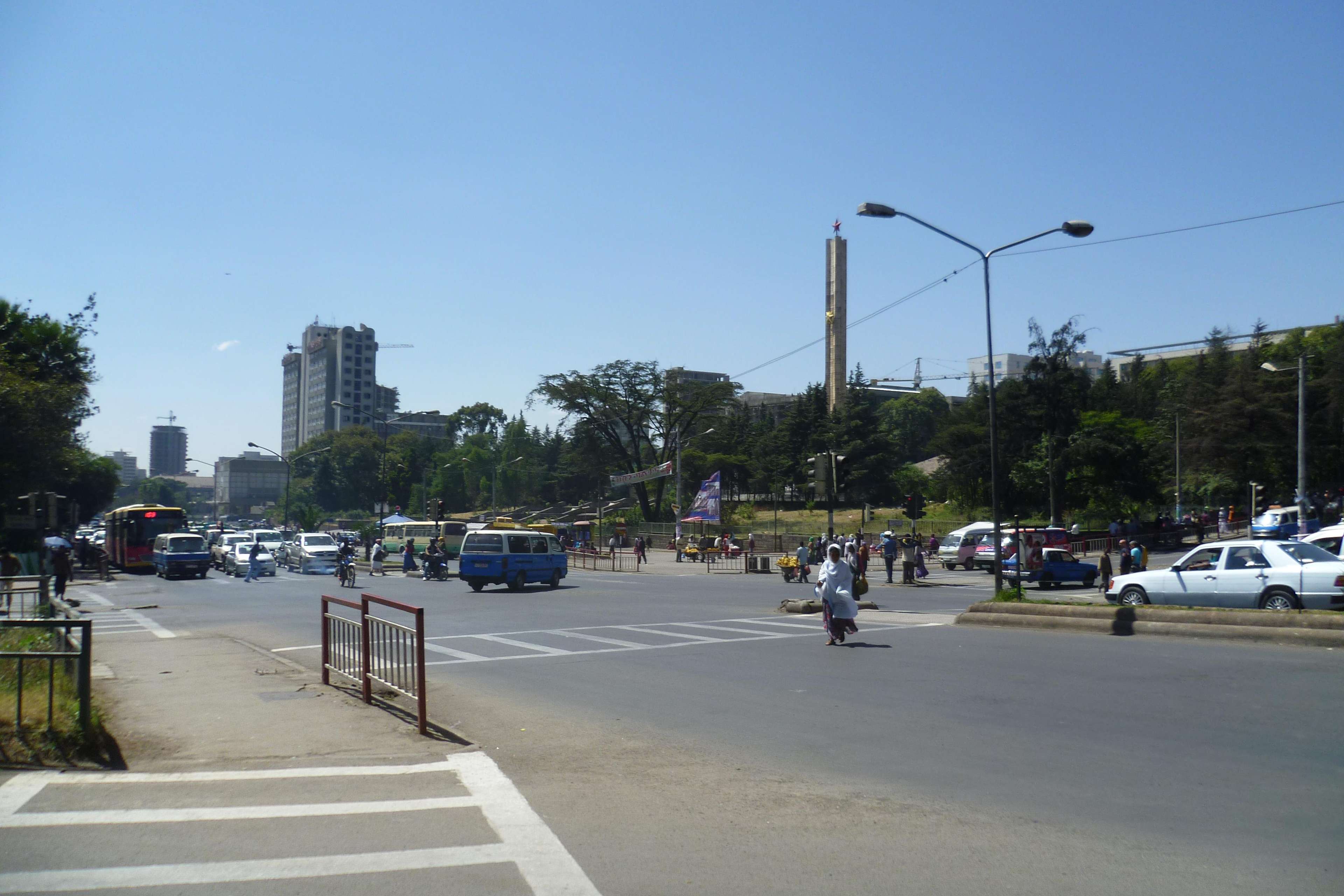
Addis Ababa is a young capital by Ethiopian standards. Emperor Menelik II first held court on Mount Entoto, the high ridge above today's city. In 1886, with Empress Taytu Betul, he moved the settlement down to the warmer valley of Finfinne, a name that refers to its hot springs at Filwuha, where the nobility bathed. The new town was called Addis Ababa, meaning 'new flower' in Amharic.
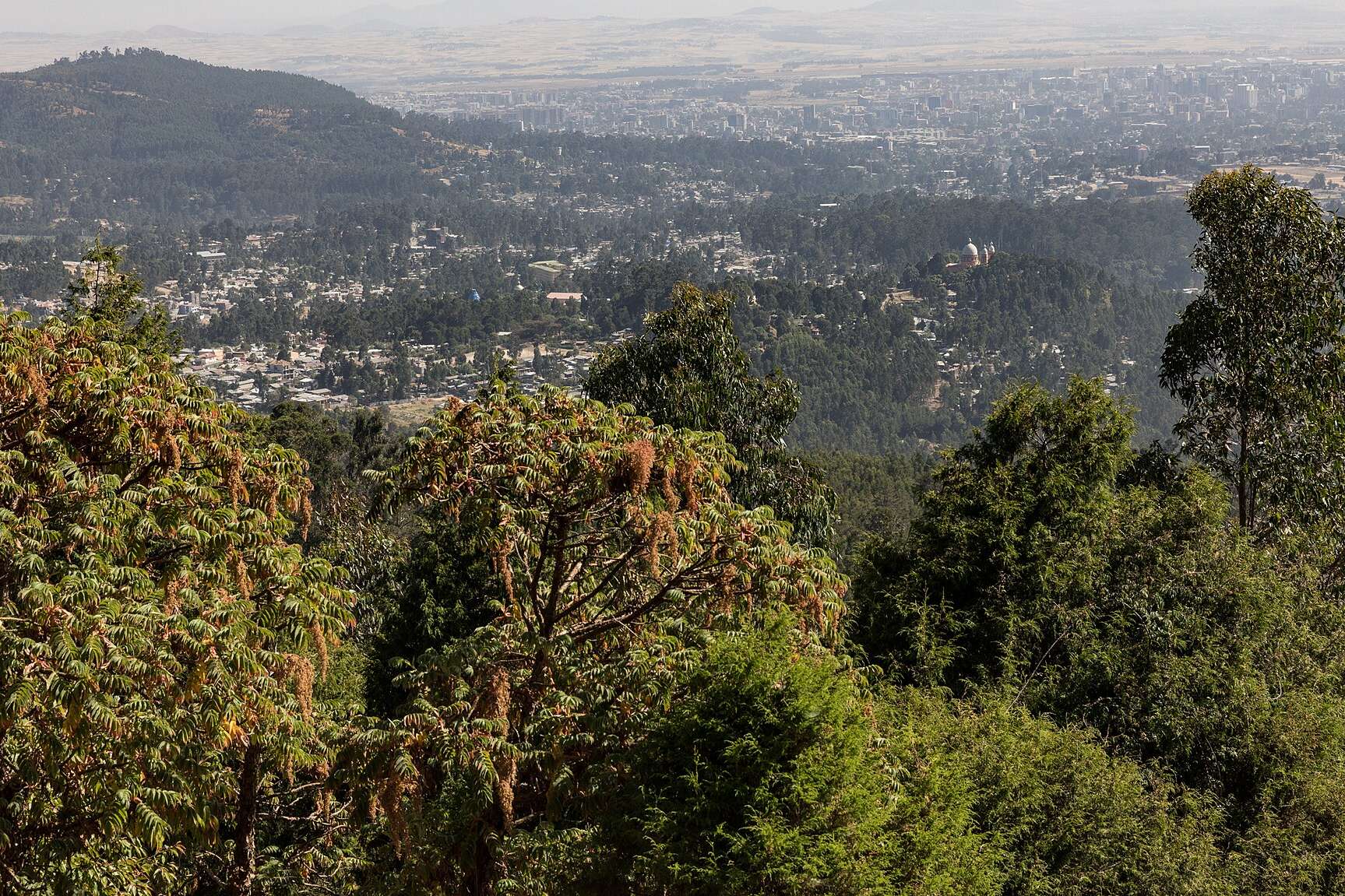
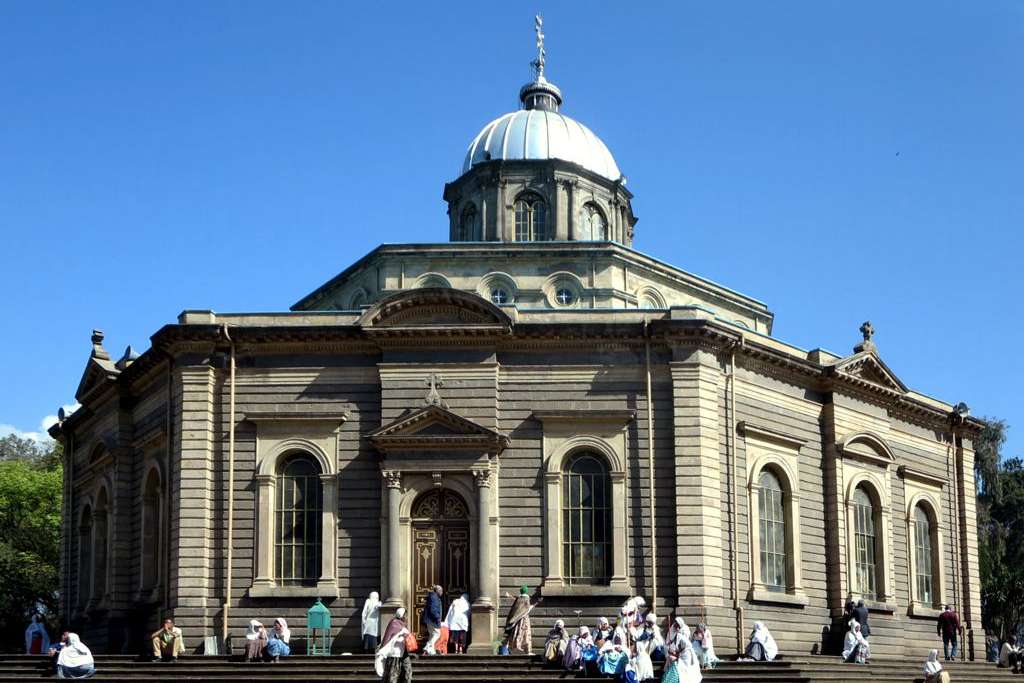
Menelik had eucalyptus trees brought from Australia, and they still cover the slopes of Entoto. The railway from Djibouti reached the capital in 1917, linking it to the sea. St George's Cathedral, named after the tabot carried to the Battle of Adwa in 1896 and completed in 1911, saw the coronations of Empress Zewditu in 1917 and Emperor Haile Selassie in 1930.
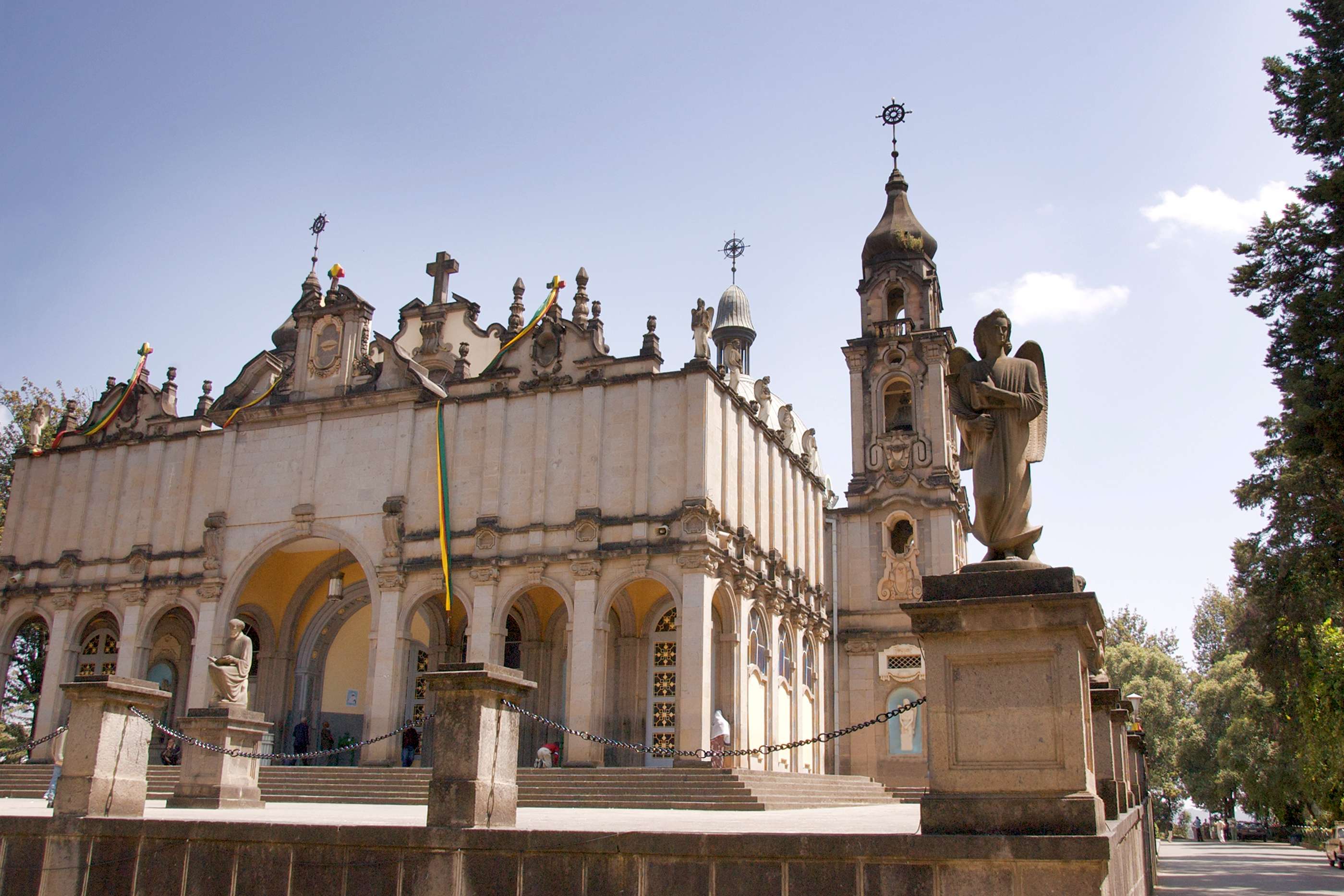
Italian troops occupied the city in May 1936, and it was liberated on 5 May 1941. Holy Trinity Cathedral, completed in 1942 to mark the end of the occupation, is where Haile Selassie and Empress Menen are buried. The UN Economic Commission for Africa was set up here in 1958, the Organisation of African Unity was founded in the city in 1963, and Addis Ababa is now home to the African Union.
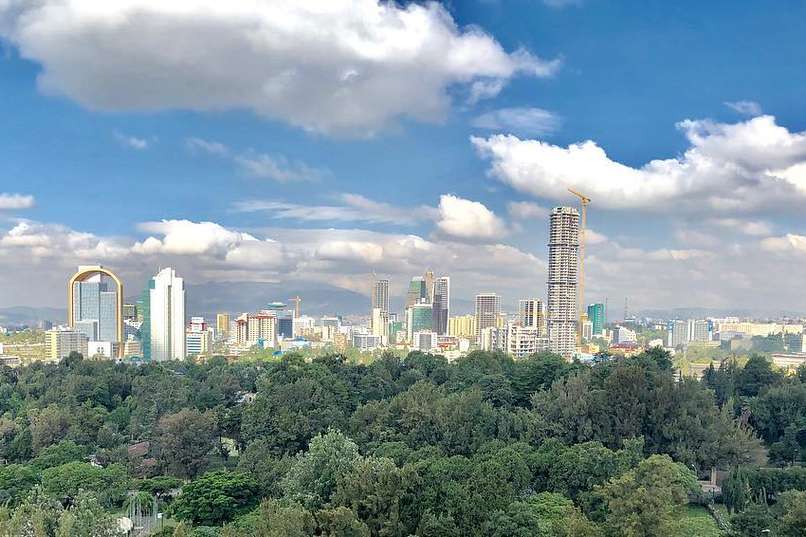
Addis Ababa is Ethiopia's capital and the place almost every trip starts: international flights land at Bole, and the roads to the rest of the country begin here. At about 2,355 metres it is Africa's highest capital, so the weather is mild all year, with warm days and cool nights. Some people feel the height for the first day or two, with breathlessness on stairs or poor sleep, so take the first day slowly. Does the altitude affect you?
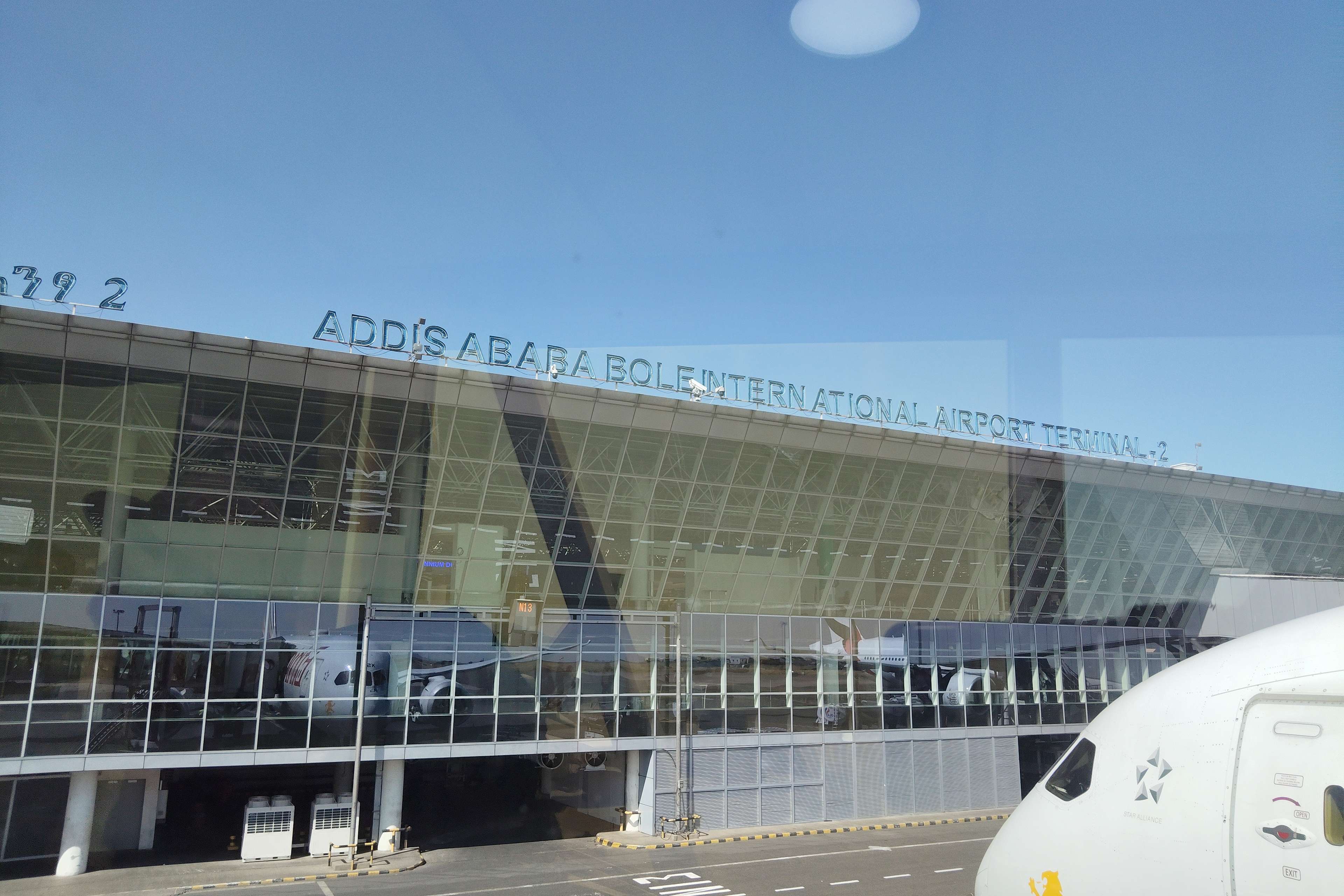
Bole International Airport is inside the city, about 5 to 8 km from the main hotel areas, and the drive takes 15 to 40 minutes depending on traffic. Many international flights land at 2 or 3 in the morning, when a pre-booked pickup with a name sign is the calm option; the Ride and Feres apps, hotel shuttles and the yellow airport taxis are the alternatives. Bole airport into the city
For a first visit, Bole is the easiest base: it surrounds the airport and has the most hotels, restaurants and taxis. Kazanchis sits between Bole and the old centre; Piassa is the historic core, near the Adwa Victory Memorial and Merkato; Sarbet and Old Airport are quieter and residential. Neighbourhoods compared
Most visitors get around by car: the local ride-hailing apps RIDE and Feres, or a private driver for the day. Uber doesn't operate in Ethiopia, minibuses and city buses are crowded and hard to use without Amharic, and the light rail doesn't reach the airport. Traffic means three or four sights make a full day. Getting around Addis
Two full days is the sweet spot. Start with the National Museum, home of the Lucy story, then Unity Park in the old palace grounds, the Adwa Victory Memorial, open since March 2024, and Holy Trinity Cathedral, where Emperor Haile Selassie is buried. For views over the city, drive up to Entoto; for the city's busiest side, visit Merkato on a weekday morning. One day covers the essentials if you start early; three or four allow a trip out to Bishoftu. How many days you need · The best things to do
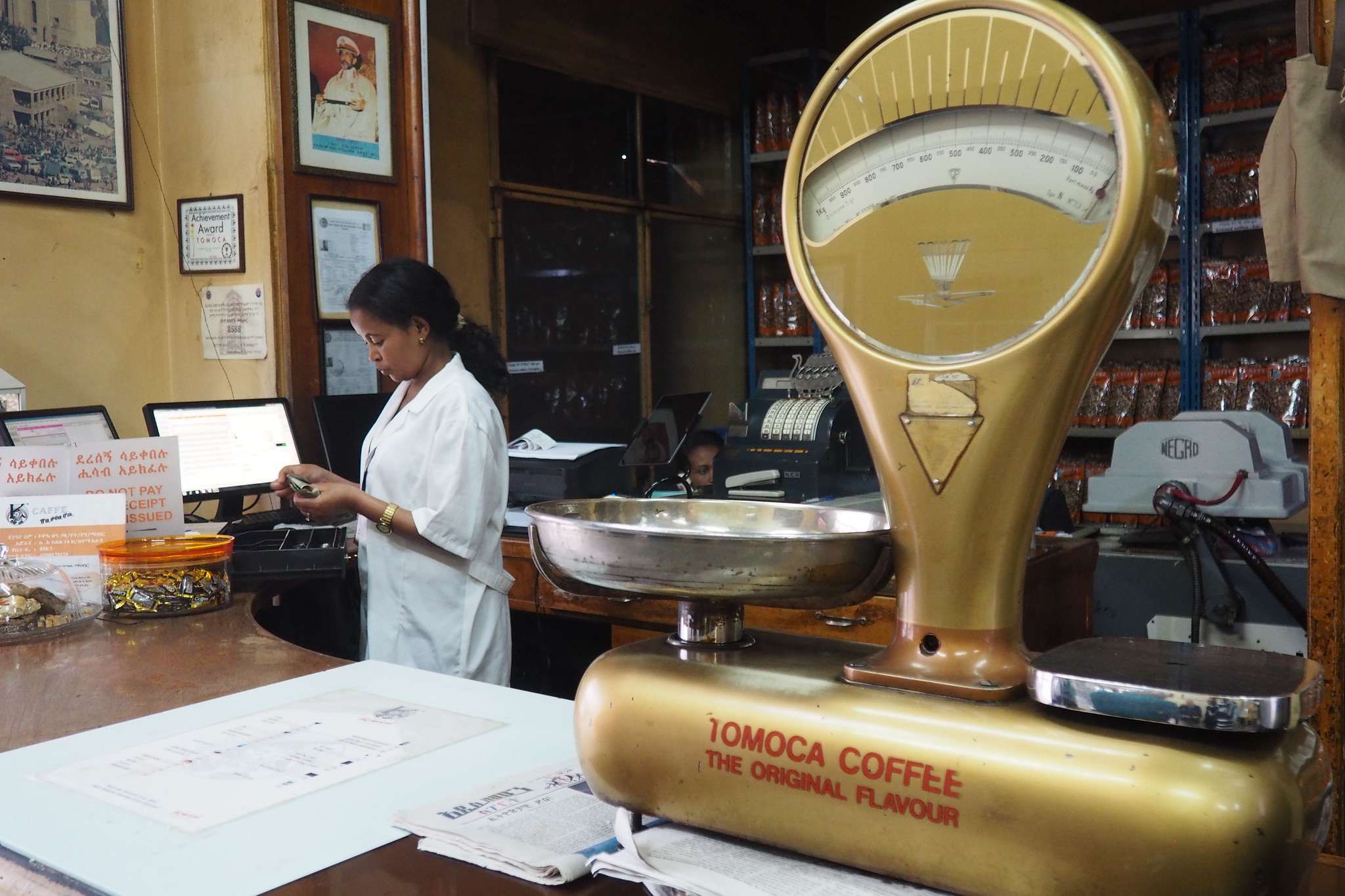
For a first night, a cultural restaurant in Bole serves a spread of traditional dishes with live music and dancing; for the food itself, try a fasting platter or kitfo. Where to eat Coffee is a ritual here: start at Tomoca in Piassa, open since 1953, and sit through a coffee ceremony at least once. Where to drink coffee For music, Fendika now performs at the Hyatt Regency on Meskel Square. Traditional music · Nightlife
Daytime highs are usually 21–26°C and nights drop to about 7–12°C. The main rains fall from June to September, with rain on most days in July and August; November to January is dry and sunny with cold nights. Pack layers in any month, and a proper rain jacket from June to September. Weather by month · Plugs and voltage
Good buys include handwoven cotton scarves and shawls, coffee (up to 2 kg per person when you leave), spices, baskets and leather. Antiques, including old crosses, need an export permit, and ivory is illegal. What to buy
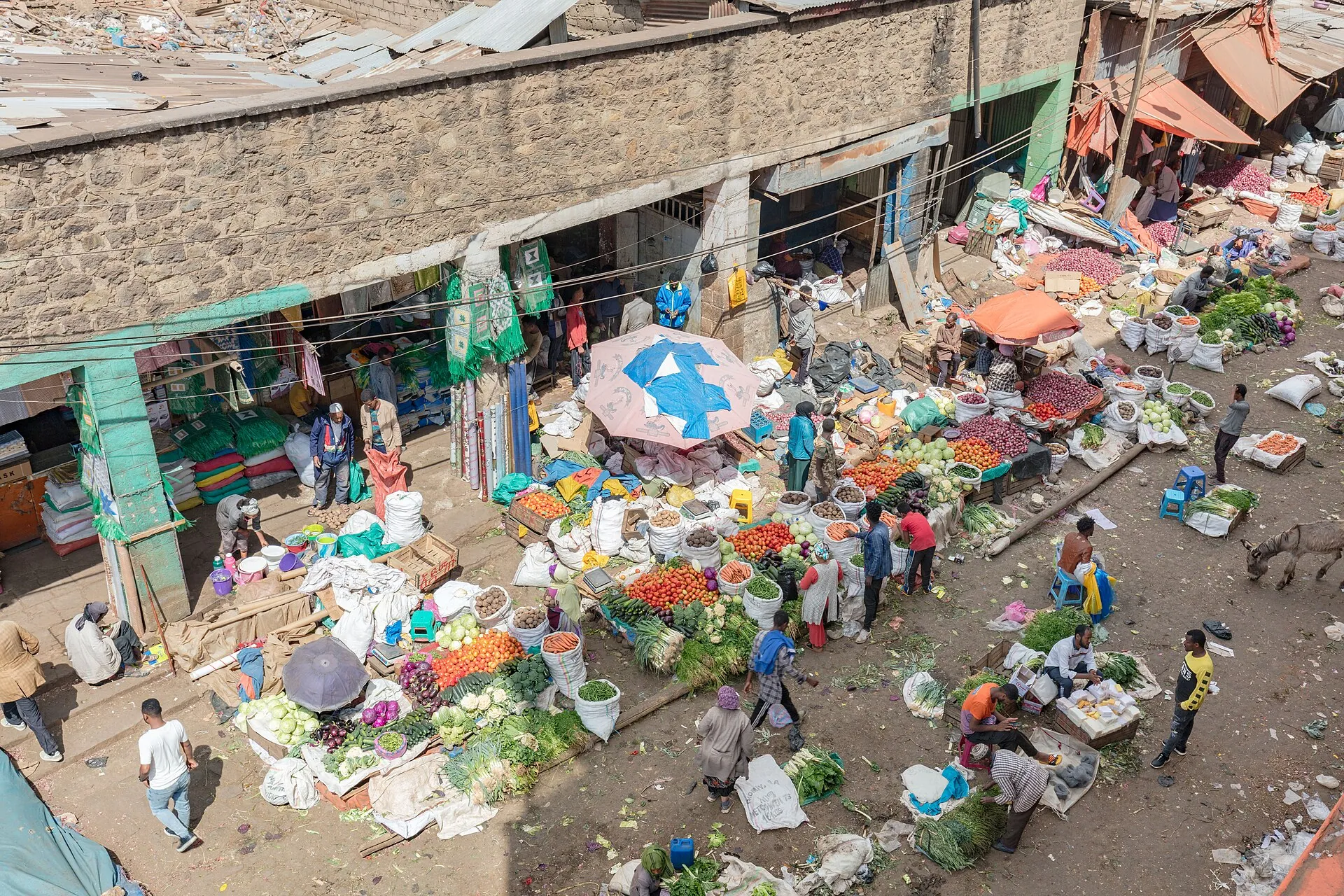
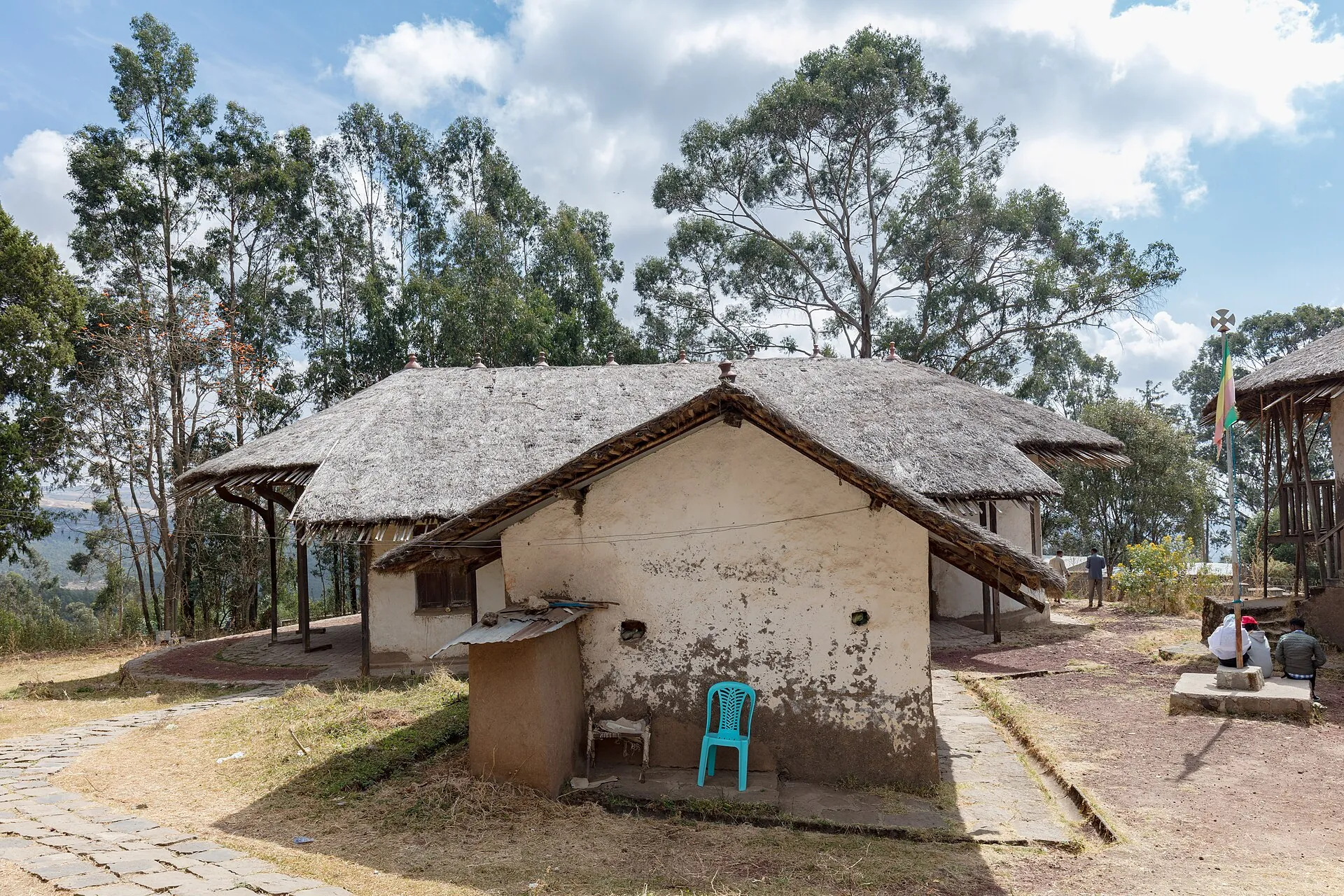
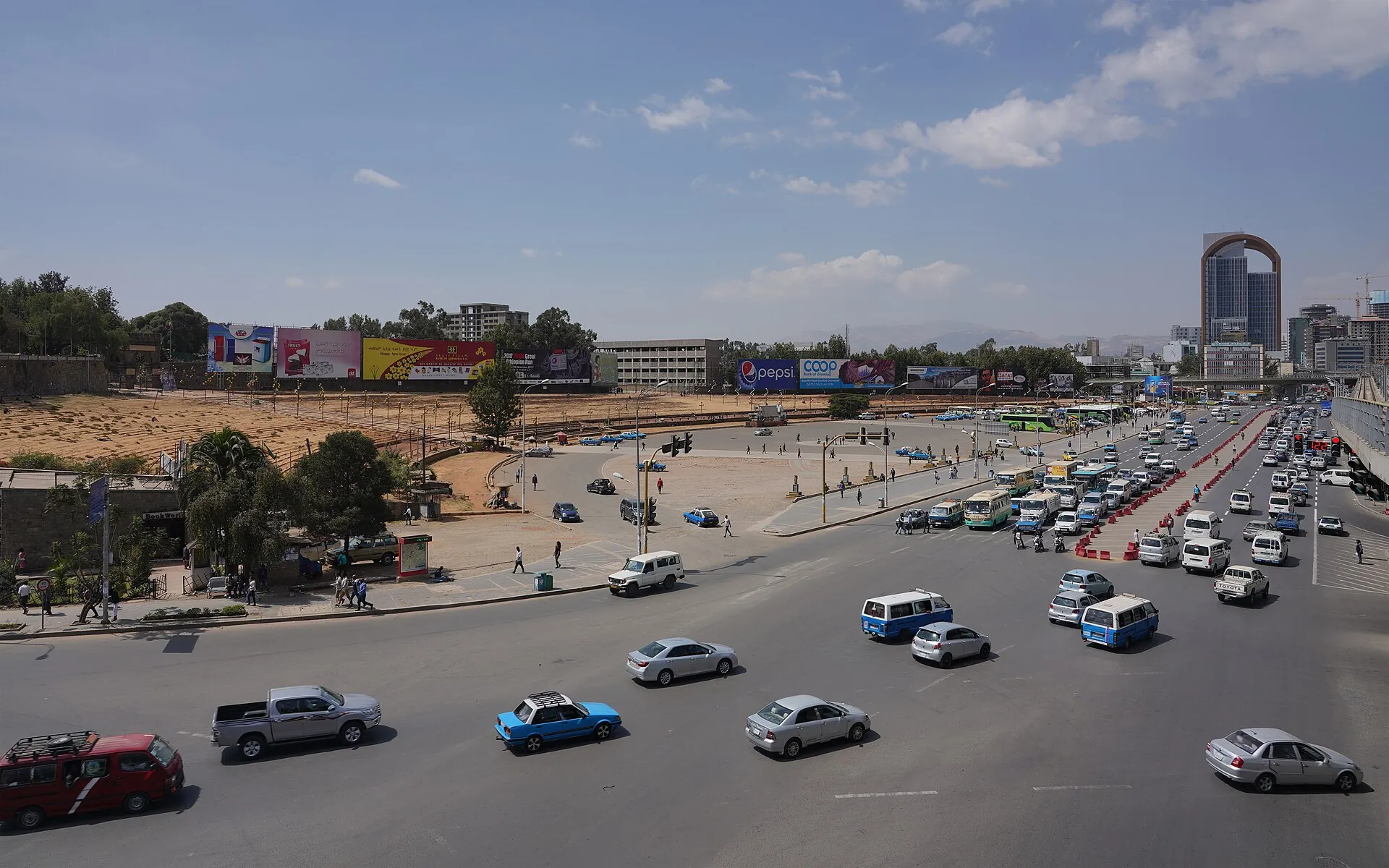
Two full days covers the National Museum, Unity Park, the Adwa Victory Memorial, Holy Trinity Cathedral, Entoto and a coffee ceremony without rushing. One day covers the essentials if you start early and go by car.
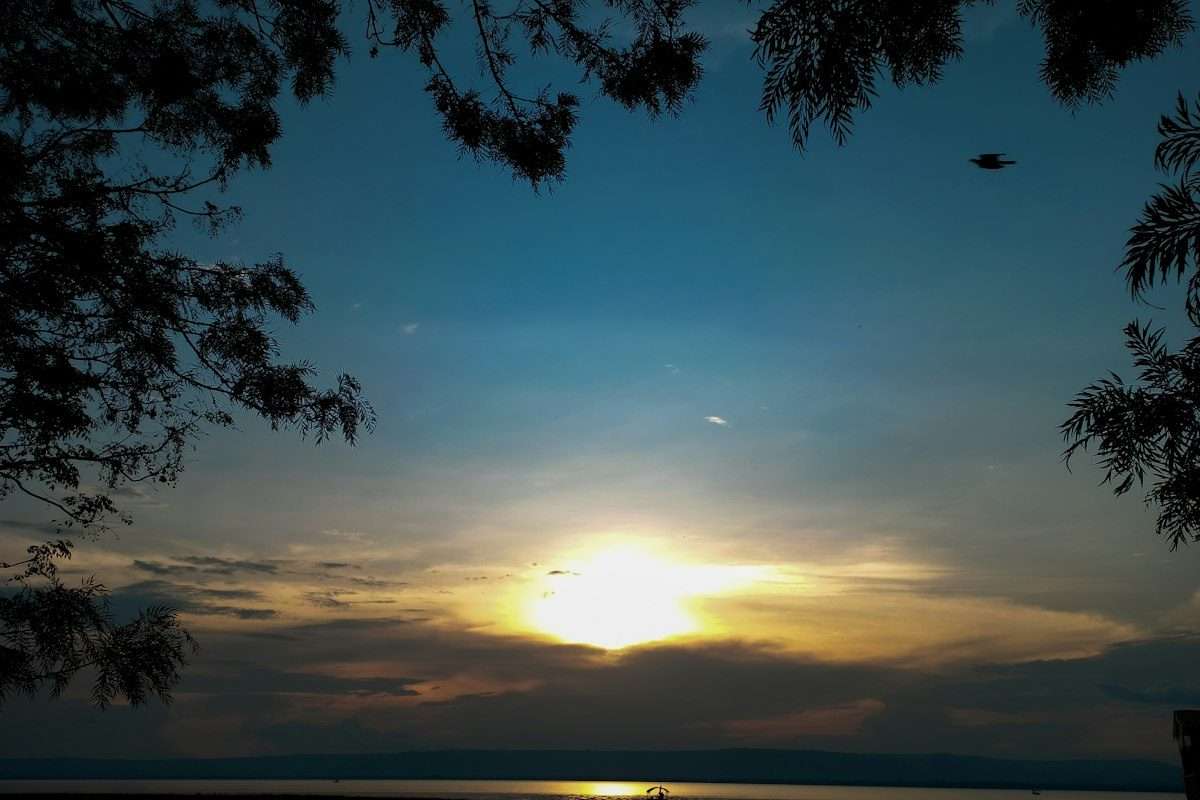
Bole is inside Addis Ababa, about 5 to 8 km from the main hotel areas: 15 to 40 minutes by car depending on traffic.
A ride-hailing app such as RIDE or Feres, or a private driver for the day. Uber doesn't operate in Ethiopia, and minibuses are crowded and hard to use without Amharic.
 How long
Addis Ababa to Hawassa is about 275 km by road and takes around 4½ hours in a private car, on a fully paved highway via Mojo, Ziway and Shashemene. It is one of the busiest and safest intercity routes in Ethiopia. Buses take 5 to 7 hours.
Updated Oct 2026 · 2 min
 Is it safe
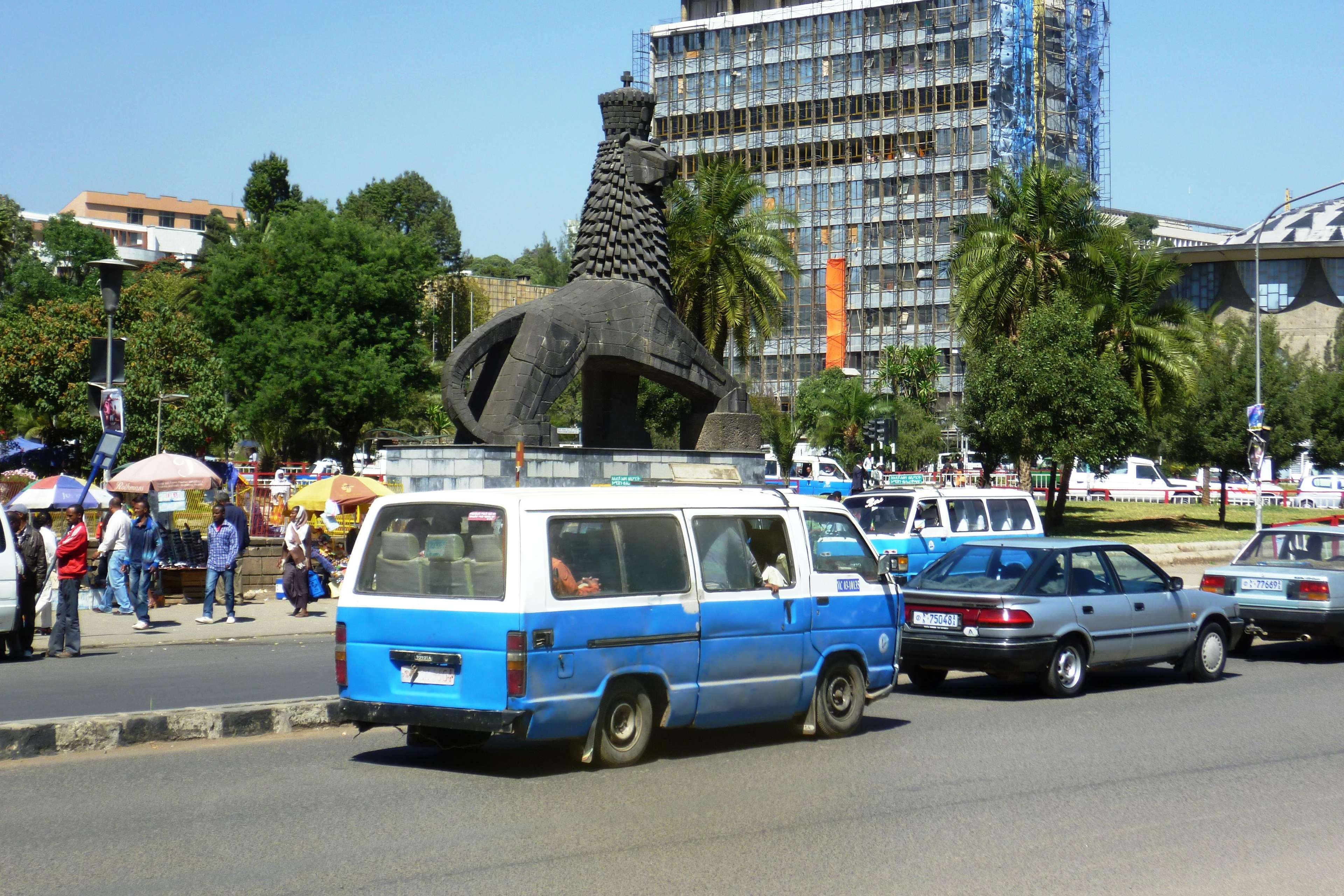
Yes. Addis Ababa is safe for visitors: daily life carries on as normal and most trips are trouble-free. The conflict is in the north, in the Amhara (including Lalibela) and Tigray regions, where travel isn't advised right now. In Addis, the main things to watch are petty theft and scams, as in any big capital, so keep valuables out of sight and use a car after dark. Bishoftu, Hawassa and the south are open and good to visit.
Updated Oct 2026 · 6 min
 Is it safe
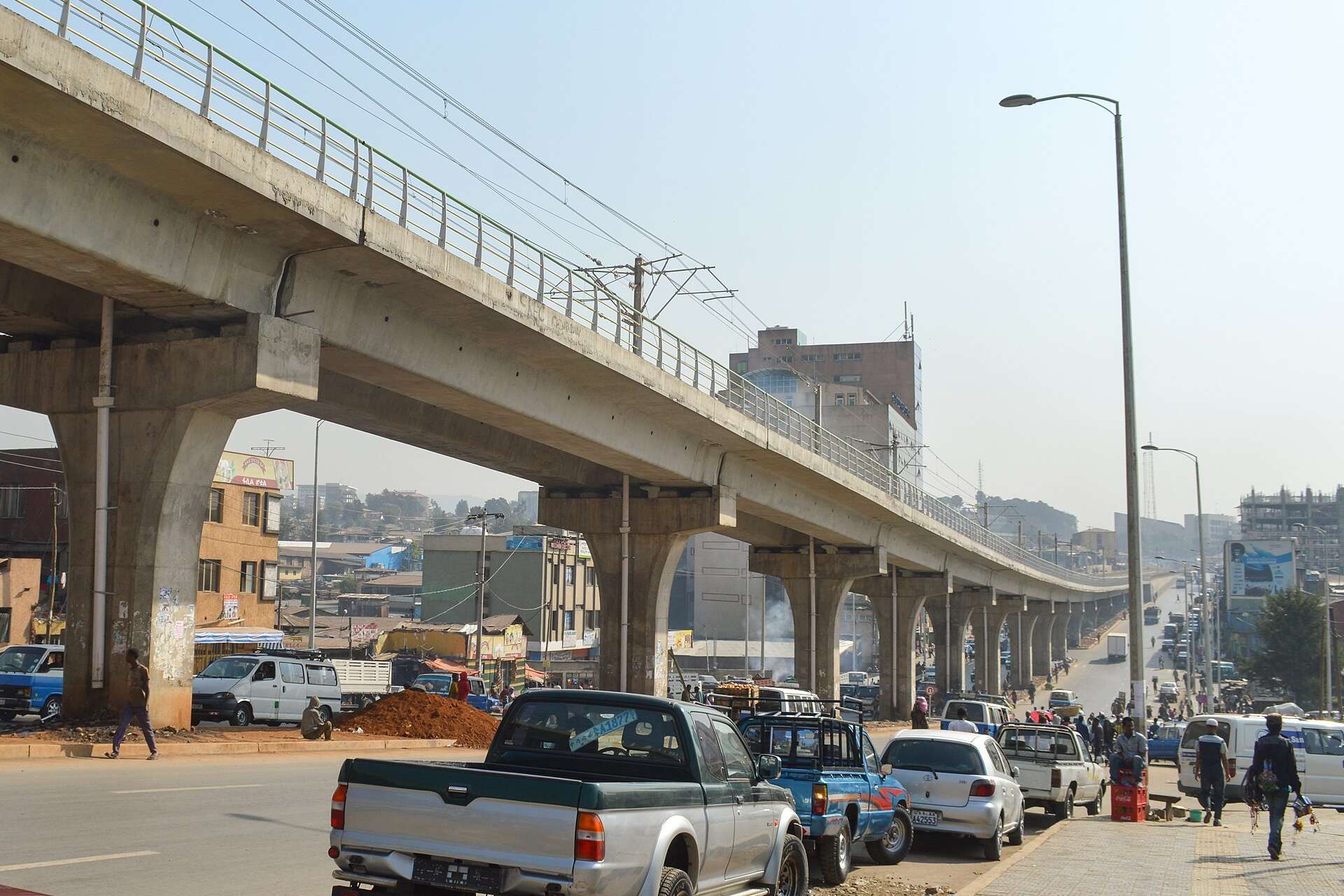
Yes. RIDE, Feres and Yango are generally safe for visitors in Addis Ababa: you see the driver, car and plate before you get in, the trip is tracked, and the price is shown in the app. As of October 2026 the practical hurdles are bigger than the safety ones: a local SIM makes sign-up and driver calls easier, drivers often phone in Amharic, cash in birr is the payment that always works, and fewer cars run late at night. Always match the plate and never accept a substitute car.
Updated Oct 2026 · 7 min
 Bole airport
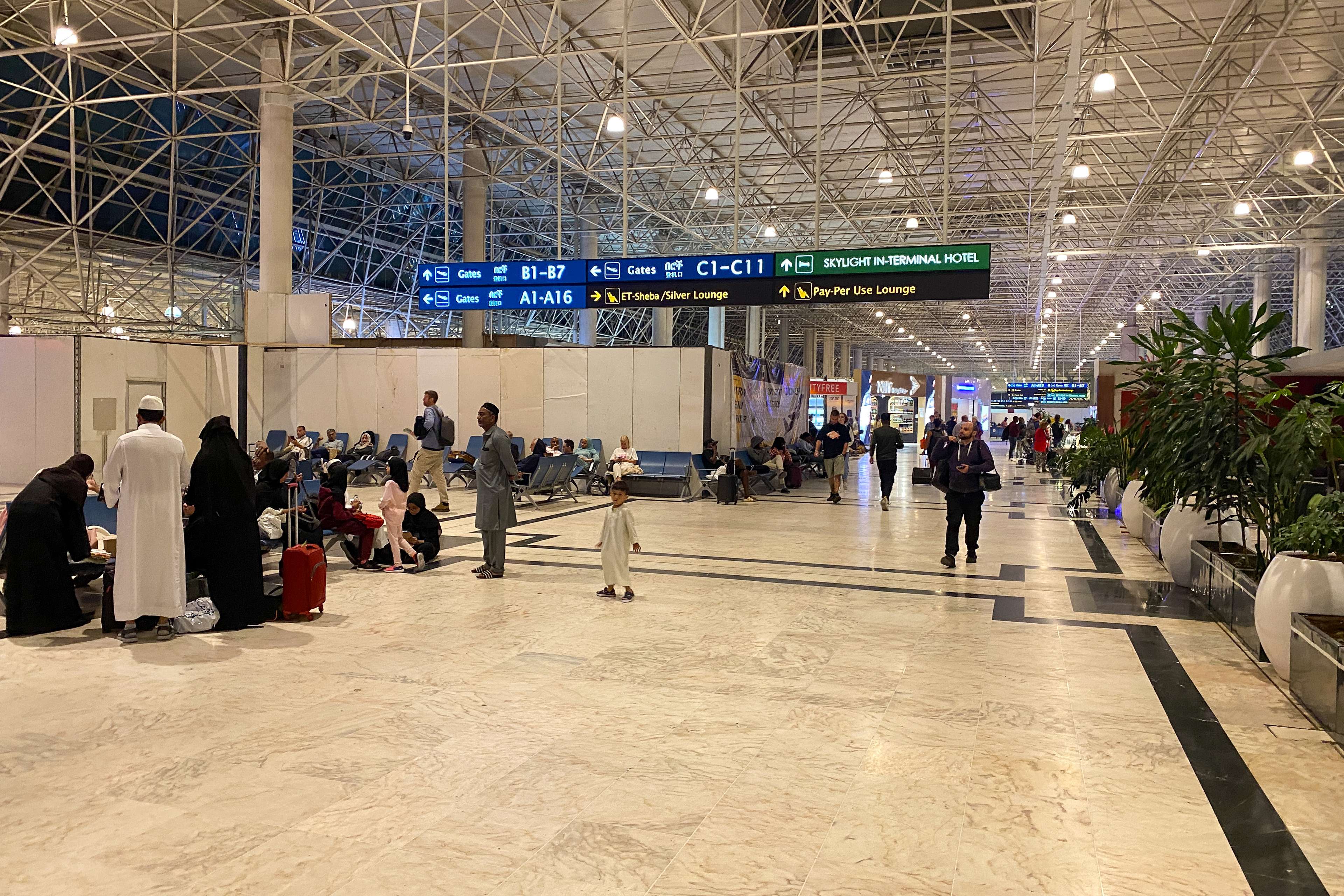
It depends on how long you have once you count back from your next flight. Ethiopian Airlines asks you to be at Bole airport 3 hours before an international departure (4 hours for flights to the USA), and leaving the terminal needs a visa. Under about 6 hours, stay airside. With 6 to 8 hours you can fit one short stop near Bole, with 10 to 12 hours the National Museum (Lucy), Holy Trinity Cathedral, a coffee ceremony or Entoto, and with an overnight stopover a full day in the city.
Updated Oct 2026 · 8 min
 Ethiopia
In Addis Ababa a car with a driver is priced per car, not per person. As of October 2026, our driver around Addis for up to about 10 hours starts from $75 per day, a Bole airport pickup from $30 per car, a Bishoftu day trip from $80 per car, and Addis to Hawassa from $150 per car one way. Your exact price is confirmed in your quote, which includes fuel, tolls, parking and the driver's food and lodging.
Updated Oct 2026 · 7 min
 What to expect
Entoto Park (Entoto Natural Park) is a large forested park on Mount Entoto, on the northern edge of Addis Ababa, opened on 10 October 2020. You can walk forest trails, enjoy views over the city and pay separately for activities such as horse riding, archery, a zipline and rope courses. Entoto Maryam Church, where Menelik II was crowned in 1889, is nearby. Most visitors go by car and spend two to four hours; bring ID, some cash and a warm layer, and visit in daylight with company.
Updated Oct 2026 · 8 min
 What to expect
No. As of October 2026, neither Uber nor Bolt operates in Ethiopia. In Addis Ababa, use local apps instead: RIDE (phone booking 8294), Feres (6090) or Yango. You'll need mobile data, ideally a local SIM so drivers can call you, and small birr notes, as cash is the safest fallback. For night arrivals, full days and trips out of the city, a pre-booked driver is usually easier.
Updated Oct 2026 · 7 min
 When to go
Addis Ababa is mild all year because it sits at about 2,355 m: daytime highs are usually 21–26°C and nights drop to about 7–12°C. The main rains fall from June to September, with rain on most days in July and August, while November to January is dry and sunny with cold nights. Pack layers whatever the month, and a proper rain jacket from June to September.
Updated Oct 2026 · 5 min
 Ethiopia
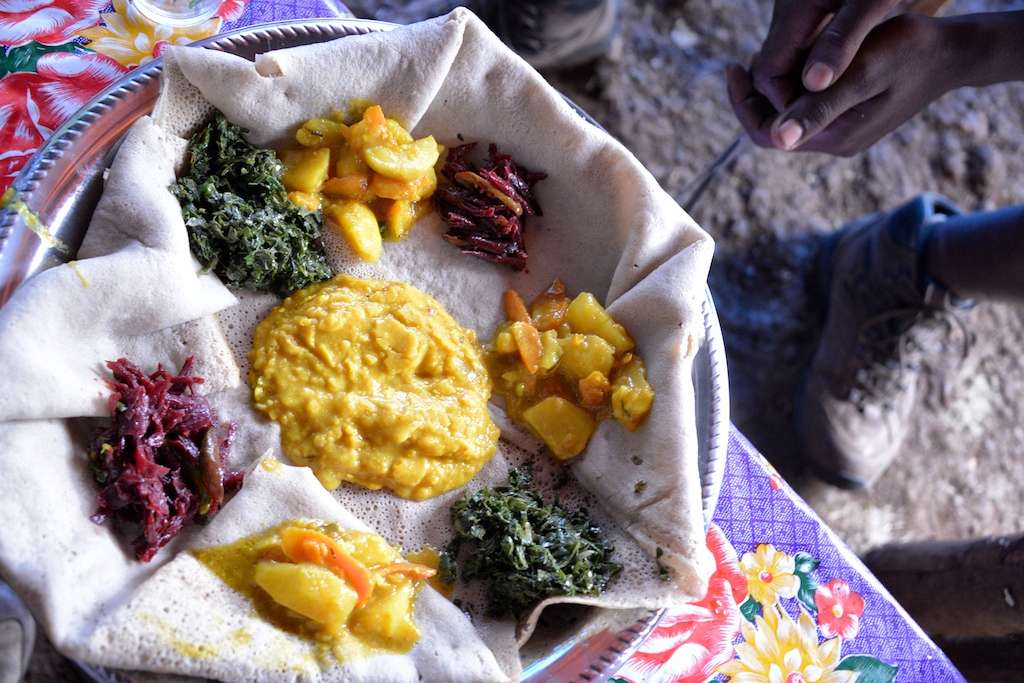
For a first night, a cultural restaurant such as Yod Abyssinia or 2000 Habesha in Bole serves a spread of traditional dishes with live music and dancing in the evening. For the food itself, Kategna is known for its fasting (vegan) platters, Addis Ababa Restaurant serves home-style dishes and tej in a historic house, and Yohannes Kitfo specialises in kitfo. All five had visitor reviews or listings in 2025–2026.
Updated Oct 2026 · 6 min
 What to expect
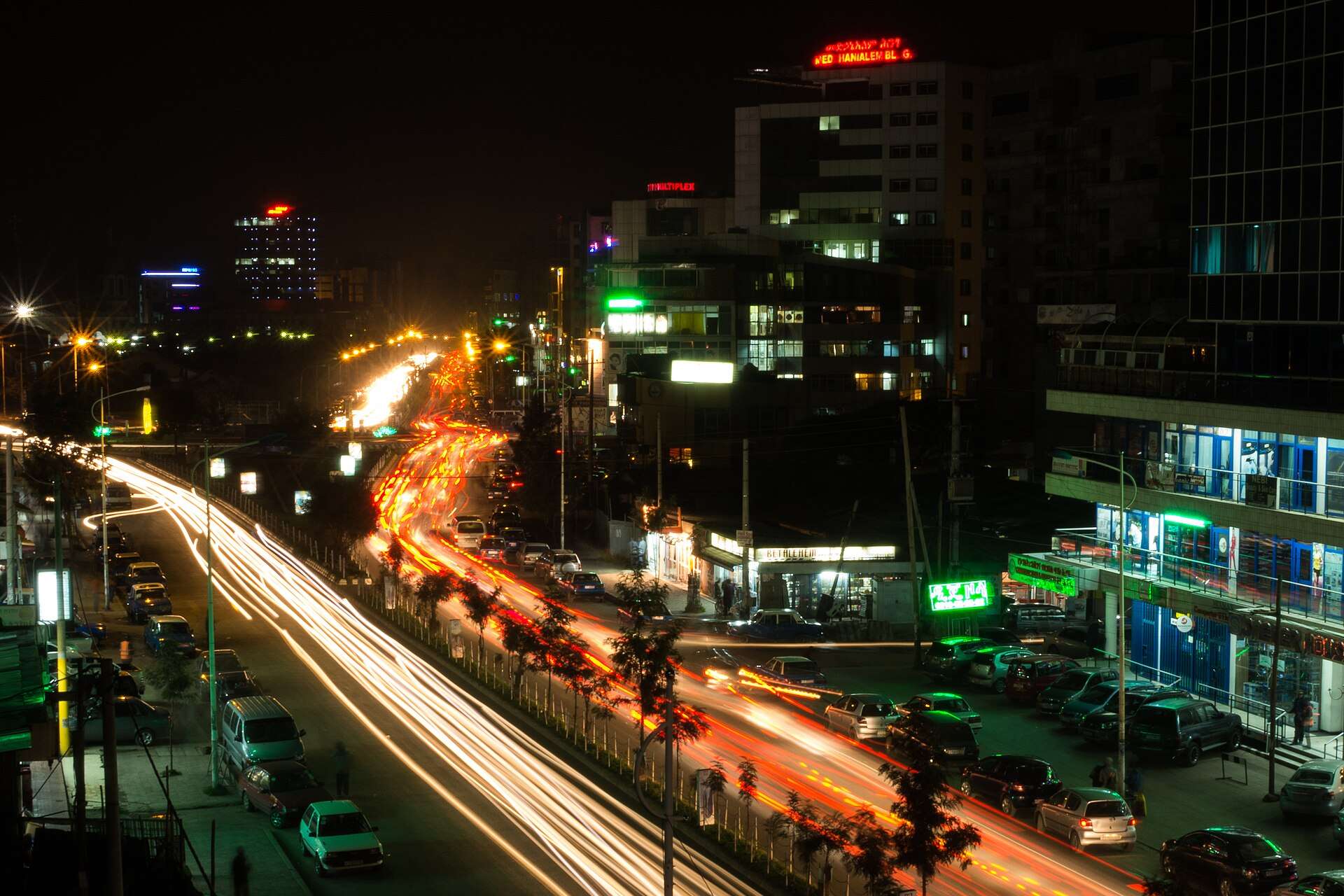
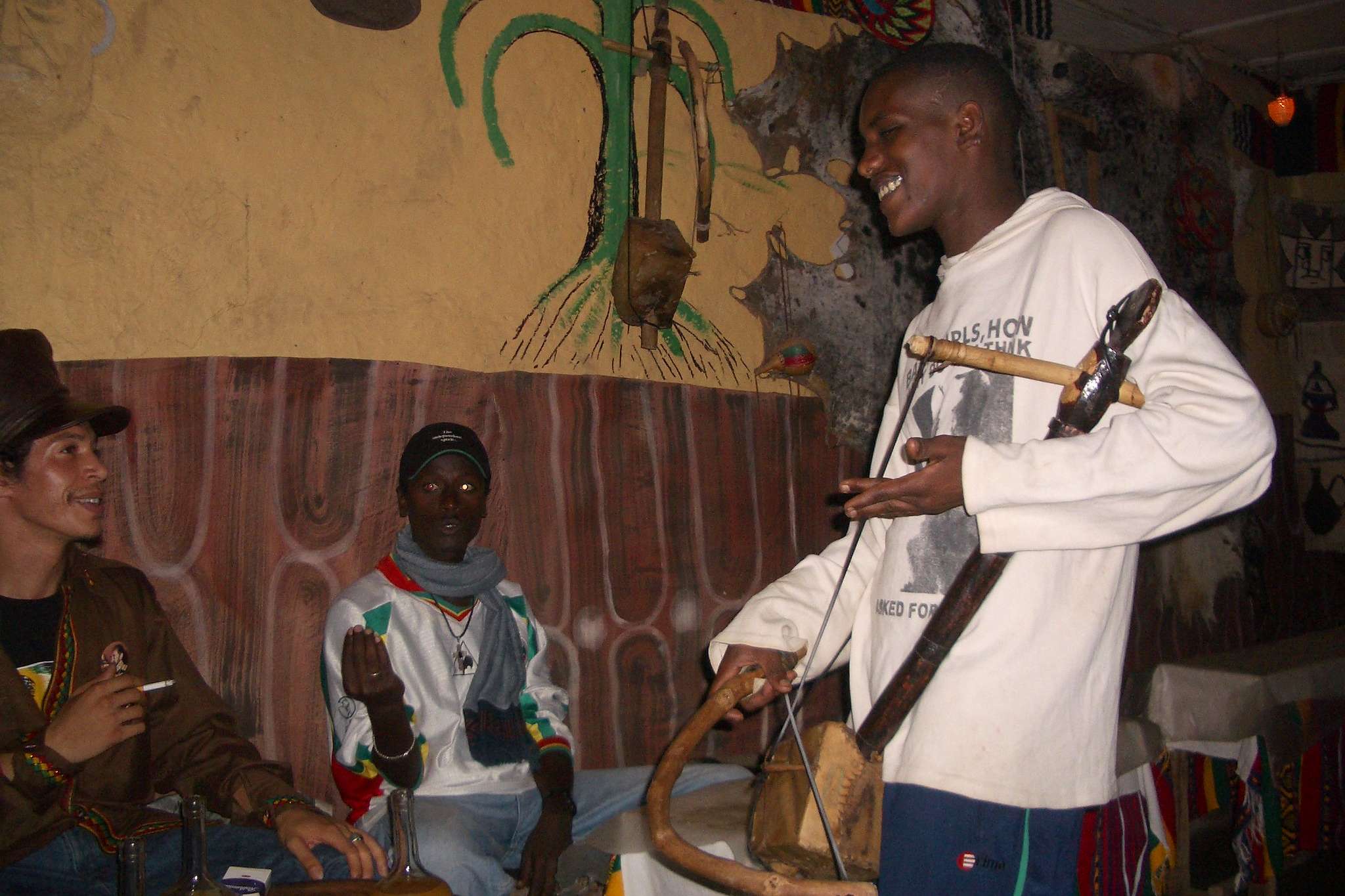
For a night out in Addis Ababa, go for live music at Fendika, now performing at the Hyatt Regency hotel, or Ethio-jazz at the African Jazz Village in the Ghion Hotel; a traditional dinner-and-dance show at a cultural restaurant such as Yod Abyssinia in Bole; or the lounges and clubs around Bole, which fill up late, especially at weekends. The scene has shifted from small azmari bars towards DJs and newer music spaces. Petty theft rises after dark, so go door to door by car rather than walking.
Updated Oct 2026 · 6 min
 Ethiopia
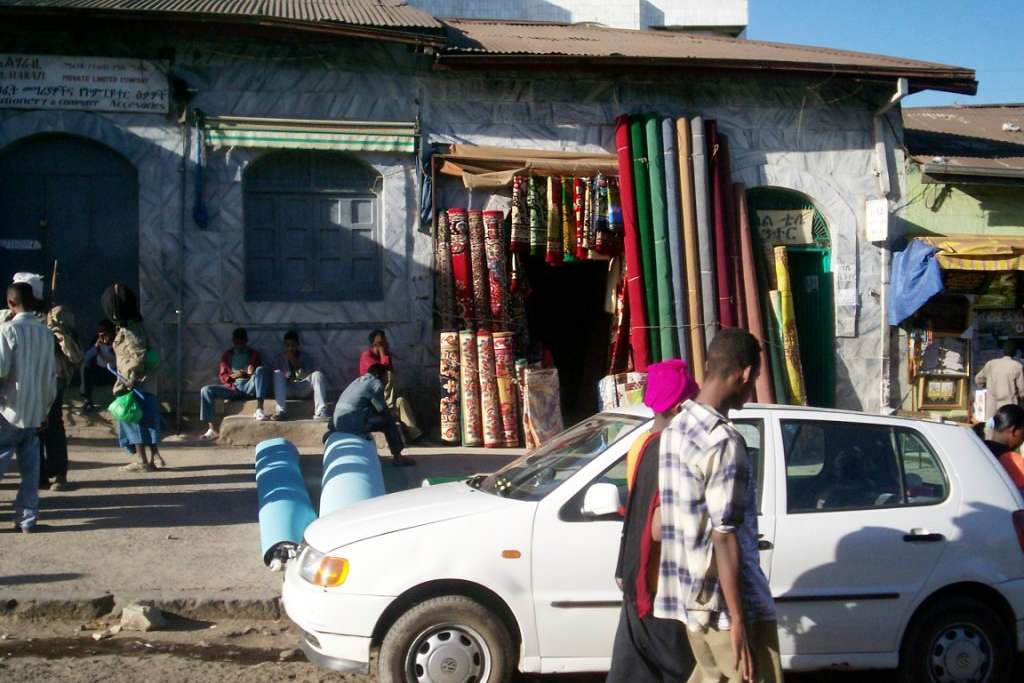
Good buys in Addis Ababa include handwoven cotton scarves, shawls and dresses from Shiro Meda market, fair-trade textiles from Sabahar, coffee (up to 2 kg per person when you leave), spices, baskets, leather goods and newly made crosses. Antiques, including old crosses and religious objects, need an export permit, and even new copies need a proper receipt and can still be confiscated. Ivory is illegal to buy or own, and khat cannot be taken out of the country.
Updated Sept 2026 · 6 min
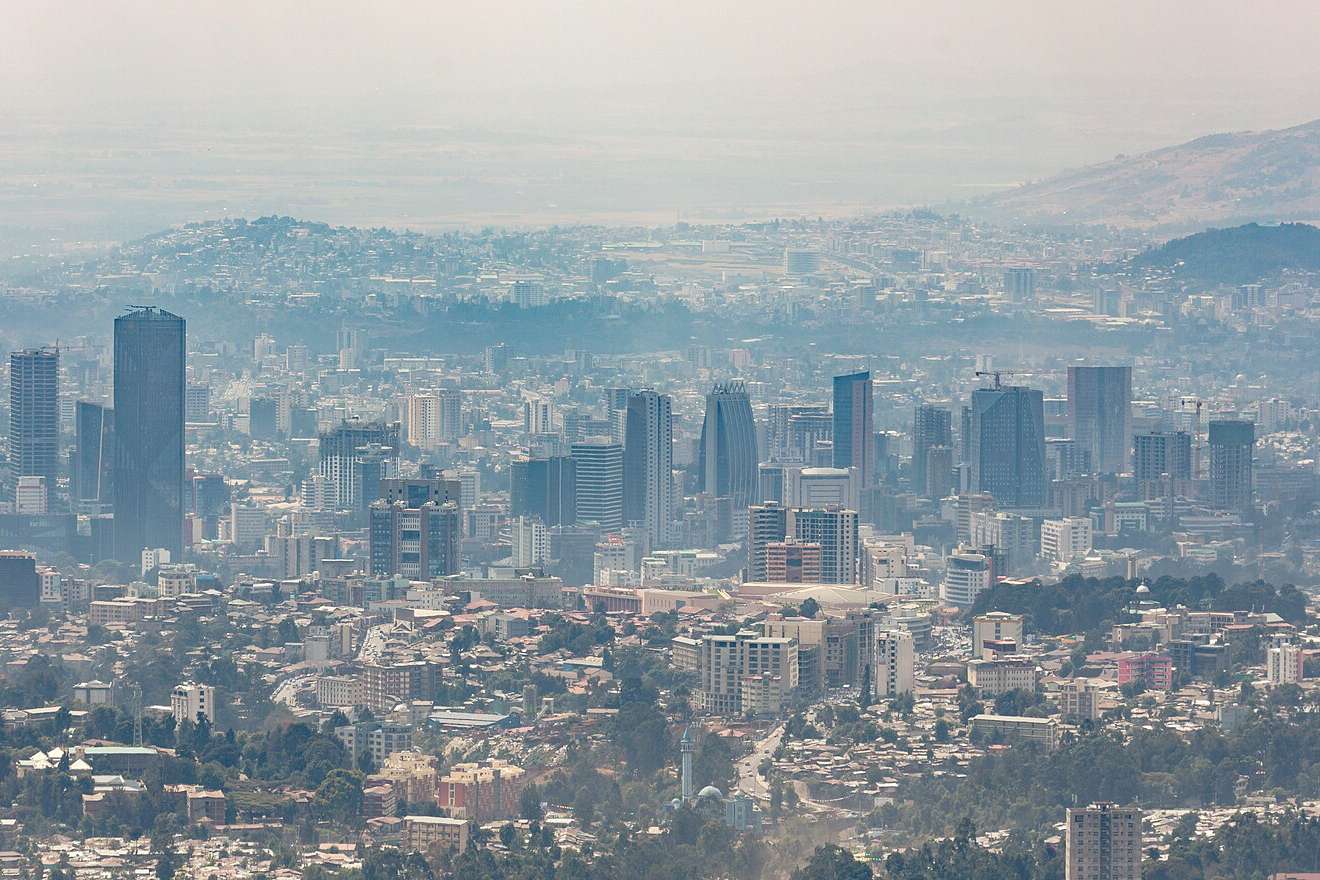
CompareFor most first-time visitors, Bole is the easiest place to stay in Addis Ababa: it surrounds the international airport and has the most hotels, restaurants and taxis. Kazanchis, between Bole and the old centre, is a business and diplomatic district; Piassa is the historic core, near the Adwa Victory Memorial and Merkato; Sarbet and Old Airport are quieter residential areas in the south-west, where the African Union has its headquarters. CMC, on the east side, is residential and far from most sights.
Updated Sept 2026 · 6 min
 What to expect
It can. Addis Ababa sits at about 2,355 m (7,726 ft), making it Africa's highest capital, and Bole airport is near the city's lowest point at about 2,330 m, so you arrive at altitude. That is just below the 2,500 m level where altitude sickness usually starts, but susceptible people can be affected lower down. Some visitors notice breathlessness on stairs, a mild headache or poor sleep for the first day or two. Take it easy at first, go light on alcohol and exercise, and talk to a doctor before you go if you have heart or lung disease, diabetes or sickle cell disease, or are pregnant.
Updated Sept 2026 · 6 min
 What to expect
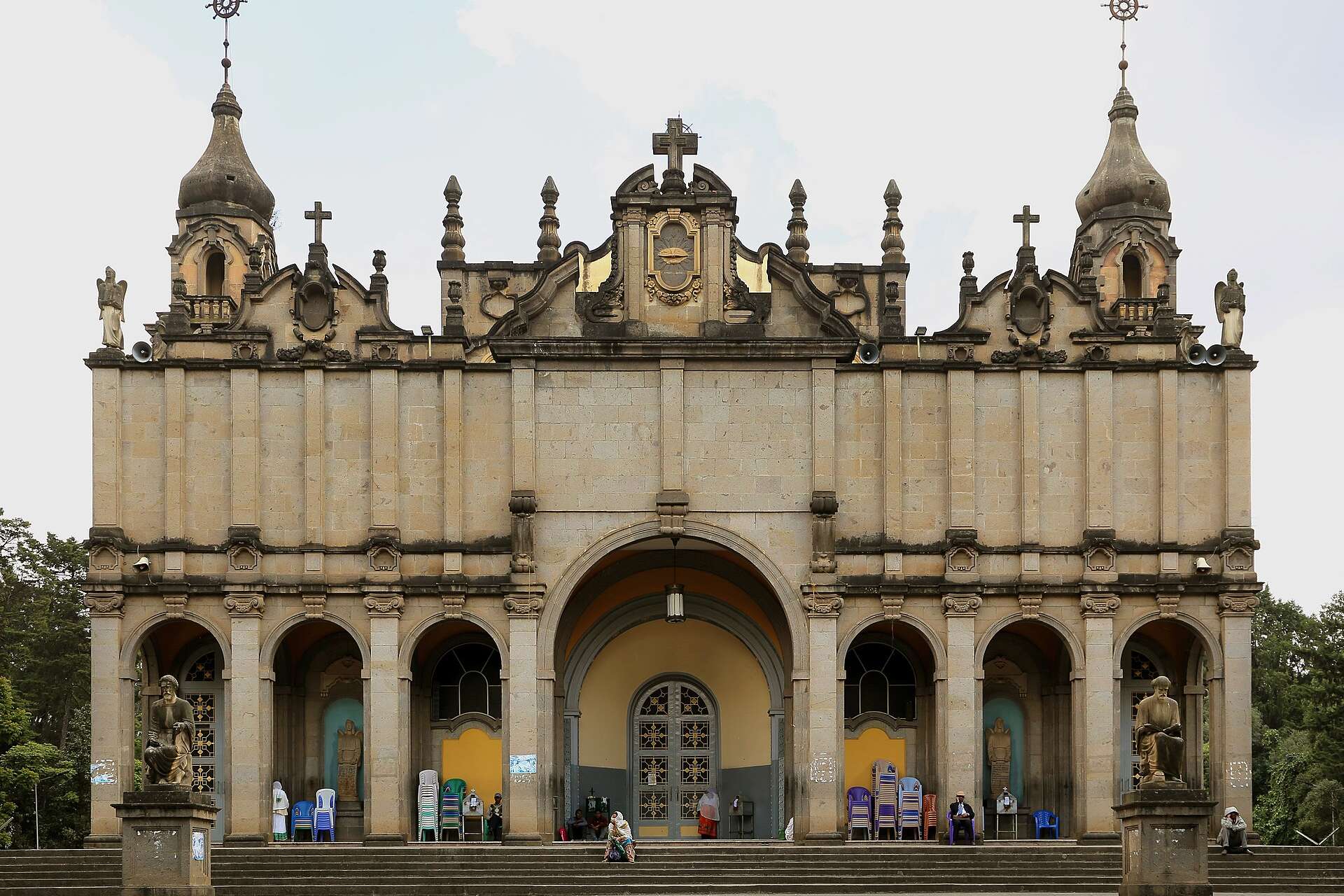
Holy Trinity Cathedral (Kidist Selassie), near Arat Kilo in Addis Ababa, is where Emperor Haile Selassie and Empress Menen lie in granite tombs, and Sylvia Pankhurst and Meles Zenawi are among those buried in the grounds. It is widely ranked as Ethiopia's second most important place of worship, after St Mary of Zion in Aksum. Foreign visitors pay an entry fee at the office by the gate (check the amount there), dress modestly, remove their shoes inside and should allow one to two hours.
Updated Sept 2026 · 6 min
How longTwo full days is the sweet spot for Addis Ababa: enough for the National Museum, Holy Trinity Cathedral, Unity Park, the Adwa Victory Memorial, Entoto and a coffee ceremony without rushing. One day covers the essentials if you start early and travel by car. Allow three or four days if you want a day trip to Bishoftu, time with family, or a slower pace while you adjust to the 2,355-metre altitude.
Updated Sept 2026 · 6 min
CompareFor most visitors, the easiest way to get around Addis Ababa is a local ride-hailing app such as RIDE or Feres, or a private driver for the day; Uber does not operate in Ethiopia. Minibuses and city buses are cheap but crowded and hard to use without Amharic, so most visitors go by car. The light rail has two lines and 39 stations but does not reach Bole airport, and only part of its fleet is in service. After dark, go door to door by car rather than walking.
Updated Sept 2026 · 6 min
 What to expect
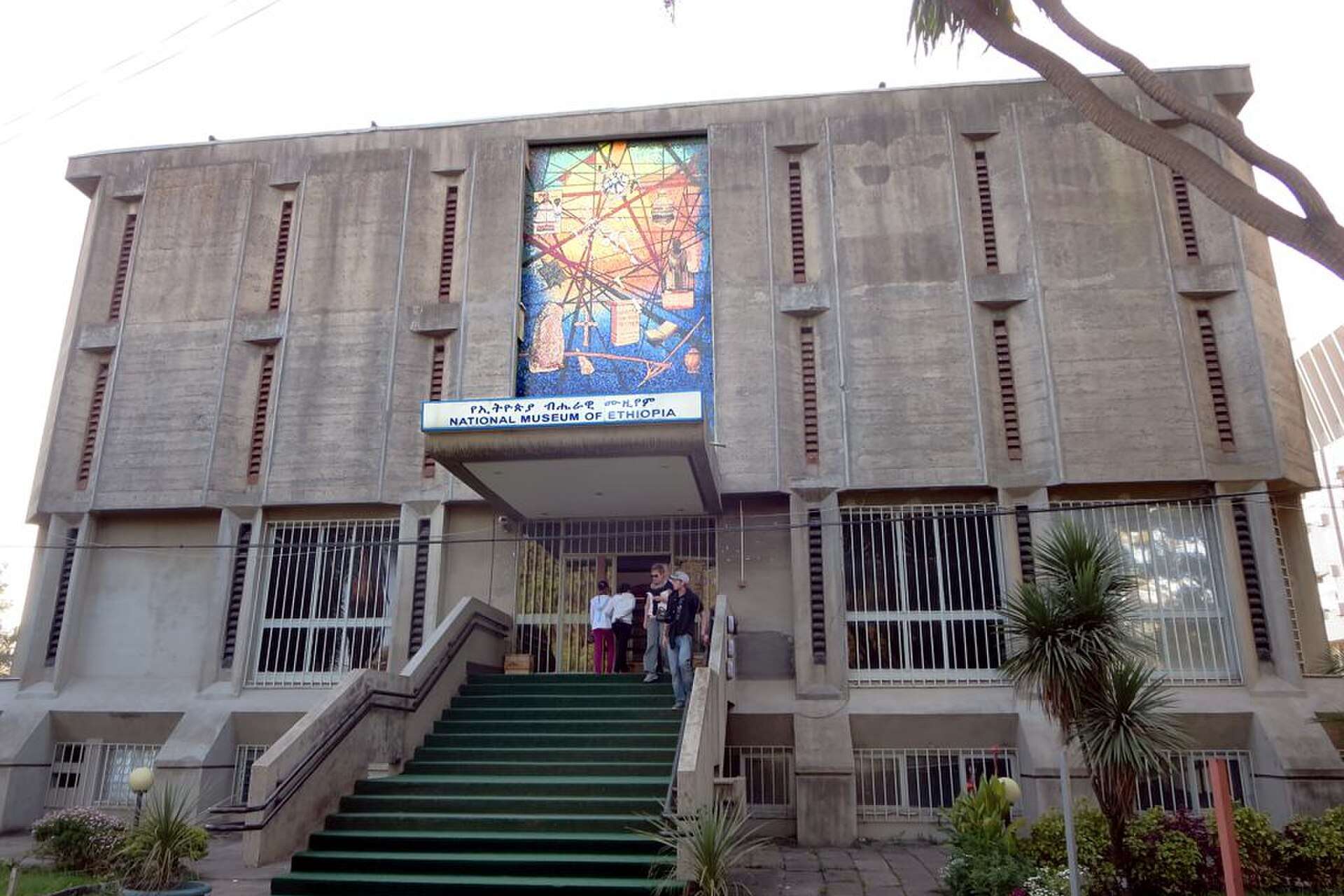
Lucy, the roughly 3.2-million-year-old Australopithecus afarensis skeleton found at Hadar in 1974, belongs to the National Museum of Ethiopia in the Arat Kilo area of Addis Ababa. She is shown in the basement fossil gallery, but what visitors see is a high-quality replica; the original bones are kept in secure storage. The museum reopened on 23 May 2025 after a renovation, and it is generally open daily from roughly 8:30am to 5:30pm, closing on major Orthodox holidays. Allow about two hours.
Updated Sept 2026 · 5 min
 What to expect
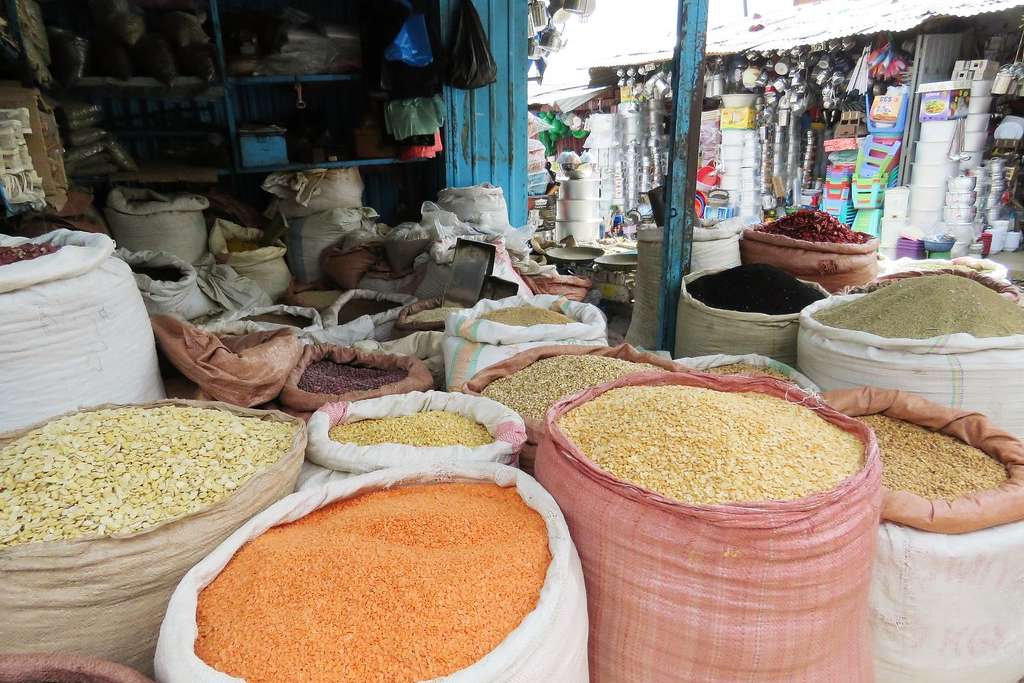
Merkato is a huge open-air market district in Addis Ababa's Addis Ketema area, with around 7,100 businesses selling everything from spices and coffee to baskets and recycled metalwork. Visit on a weekday morning (Monday to Saturday), allow one to three hours, carry only a phone, a copy of your passport and small birr notes, keep your bag in front, and agree your drop-off and pickup points before you walk in.
Updated Sept 2026 · 7 min
 What to expect
Yes, for most visitors. Unity Park opened on 10 October 2019 inside the Grand Palace compound founded by Menelik II, and combines historic palace halls, two zoos (including Ethiopian black-maned lions), gardens and regional pavilions. It is closed on Mondays and sells tickets Tuesday to Sunday from about 9am to 4pm; as of September 2026 foreigner tickets cost USD 20 (regular) and USD 50 (special, with a guide and Menelik's palace rooms), and most people spend two to four hours.
Updated Sept 2026 · 8 min
 Ethiopia
The best things to do in Addis Ababa are the National Museum (home of the Lucy story), Unity Park in the old palace grounds, the Adwa Victory Memorial (open to the public since March 2024), Holy Trinity and St George's cathedrals, and the Entoto hills for views over the city. Add a coffee ceremony, a shared injera meal and an evening of traditional music. Two full days covers the highlights, because traffic makes it hard to see more than three or four sights in a day.
Updated Sept 2026 · 8 min
 What to expect
The Adwa Victory Memorial is a large museum and memorial complex in Piassa, central Addis Ababa, honouring Ethiopia's defeat of an Italian army at the Battle of Adwa on 1 March 1896. It was inaugurated on 11 February 2024 and opened to the public in March 2024. Inside are battle artefacts, statues of Emperor Menelik II, Empress Taytu and twelve generals, and Tsehay, Ethiopia's first home-built aircraft, returned from Italy in 2024. Foreign visitors pay a higher ticket price than residents; allow one to two hours.
Updated Sept 2026 · 7 min
 Ethiopia
Start at Tomoca, the Addis roaster founded in February 1953, whose original café on Wavel Street in Piassa is a stand-up coffee bar famous for its macchiato. Add a branch of Kaldi's Coffee, Ethiopia's biggest local café chain, and try a traditional coffee ceremony at least once. To take beans home, buy roasted, sealed bags from a roaster; you can take up to 2 kg of coffee per departing passenger without special authorisation (checked September 2026).
Updated Sept 2026 · 6 min
 What to expect
The best-known place is Fendika, the azmari house and cultural centre whose Kazanchis building was demolished in October 2024; since December 2024 it has run performances as Fendika@Hyatt at the Hyatt Regency on Meskel Square. For a dinner-and-dance evening, cultural restaurants in Bole such as Yod Abyssinia and 2000 Habesha stage live traditional music and regional dances. Many small azmari bars have closed in the city's redevelopment, so check what is on before you go, and travel door to door by car at night.
Updated Sept 2026 · 6 min
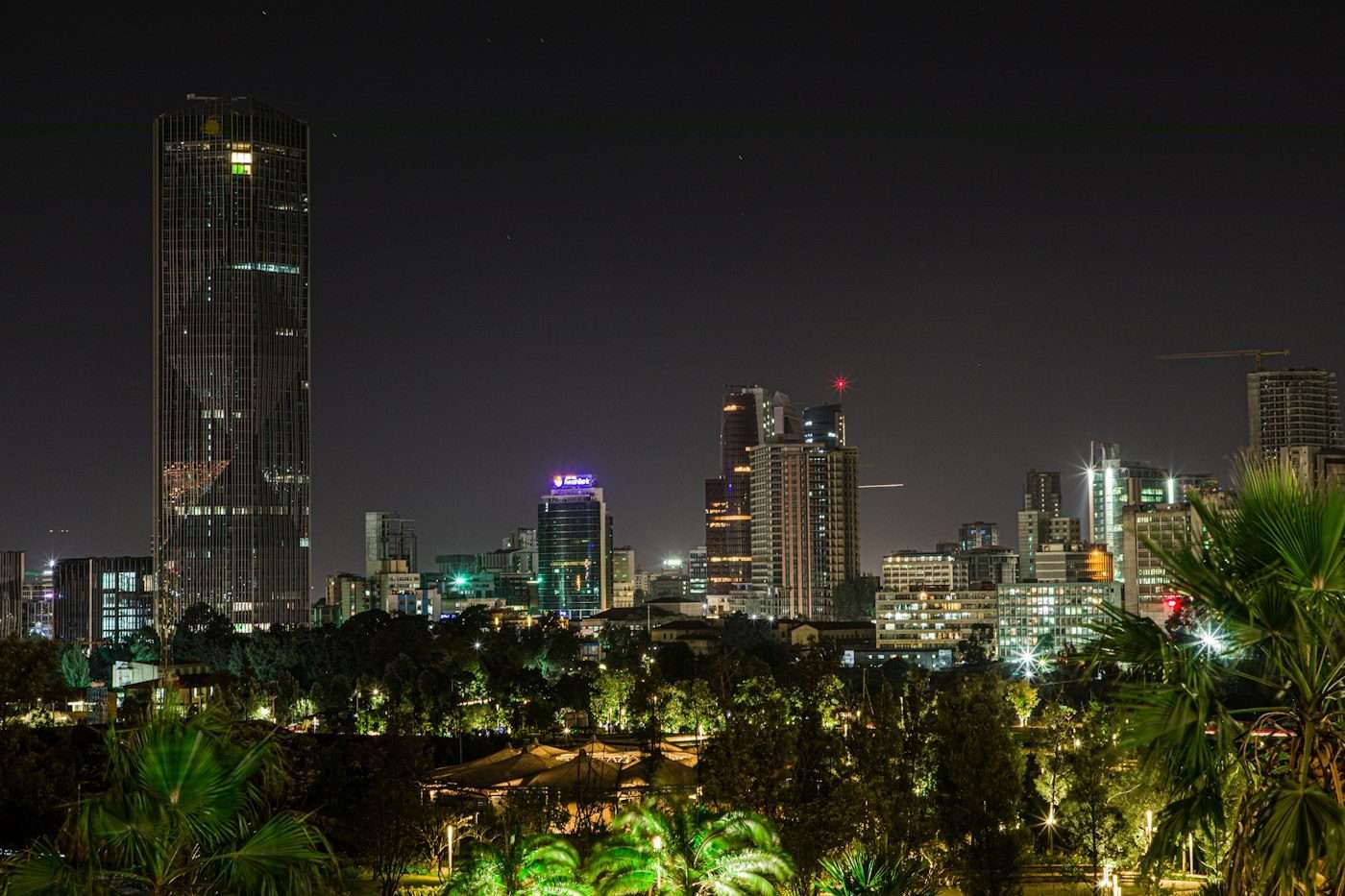 Bole airport
Bole International Airport is inside Addis Ababa, about 5 to 8 km from the main hotel areas of Bole, Kazanchis and Piassa. The drive takes 15 to 40 minutes depending on traffic. Your options are a pre-booked private pickup with a name sign, the ride-hailing apps (Ride, Feres), a hotel shuttle, or the yellow airport taxis. At 2 or 3 am, when most international flights land, a pre-booked pickup is the calm option.
Updated Sept 2026 · 2 min
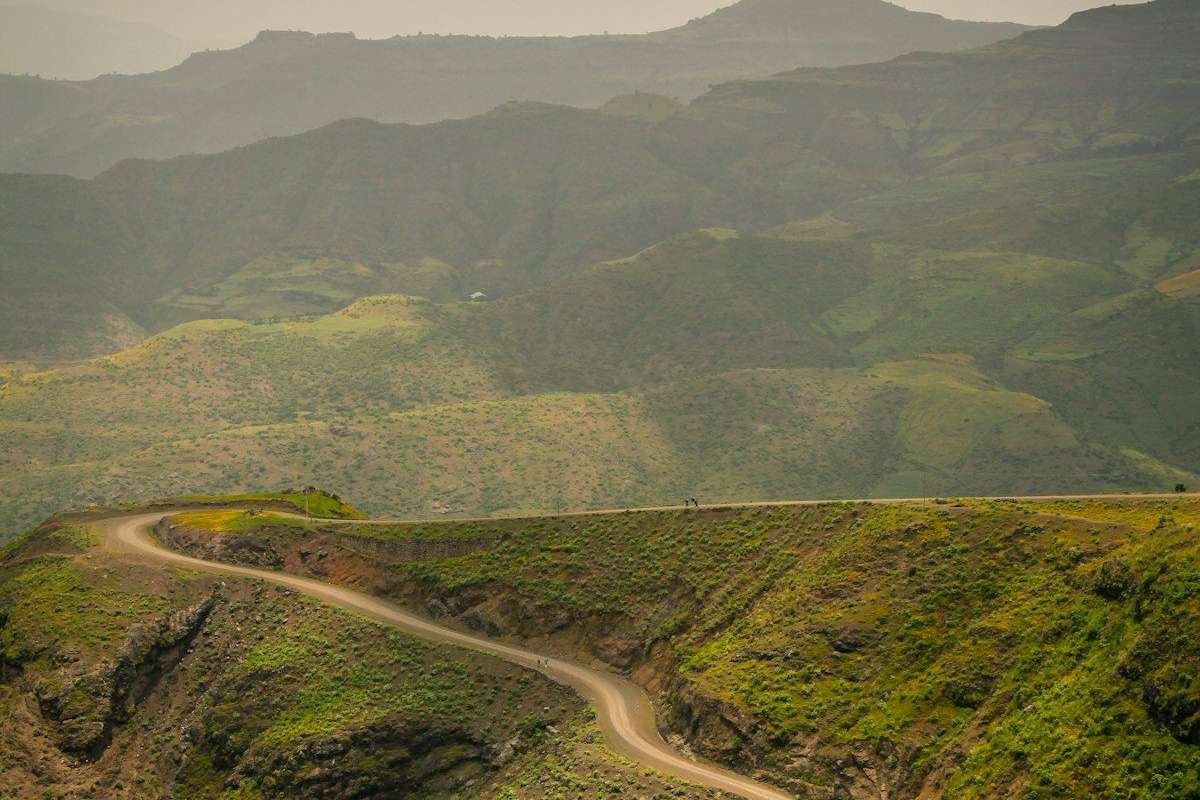 Is it safe
Parts of Ethiopia are safe to travel by road and parts are not, and the honest answer changes month to month. The main southern routes from Addis Ababa (Bishoftu, Hawassa, Arba Minch, Langano) and the roads inside Addis are ones we drive every week. Some northern and western regions have restrictions or active problems, and there we recommend flying or waiting. Ask us about the specific route and date and we will tell you plainly what we would do.
Updated Sept 2026 · 3 min
Going to Addis Ababa? Tell us where.
One fixed price for the whole car, from a real person.One fixed quote for the whole car, from a real person, on WhatsApp.