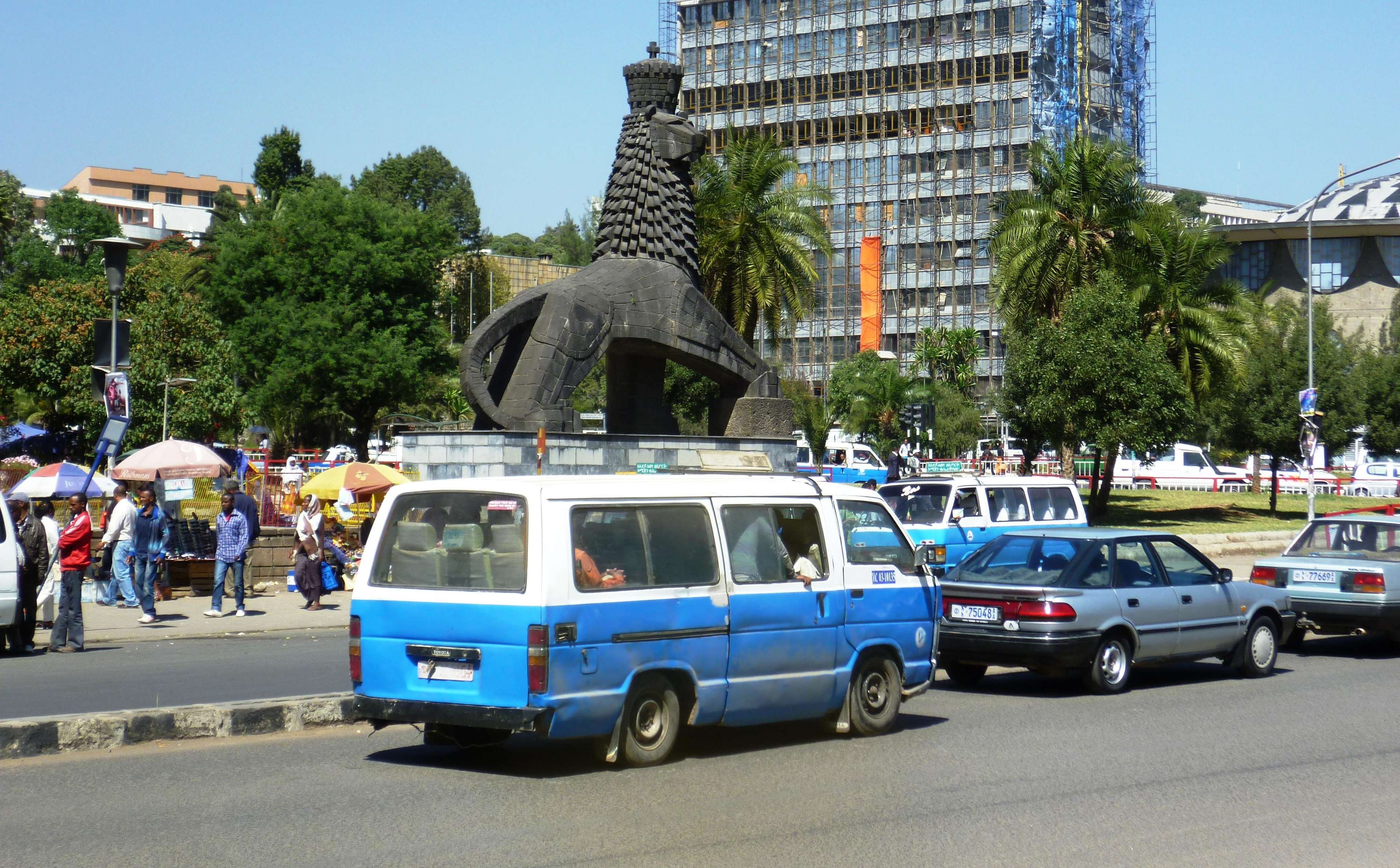
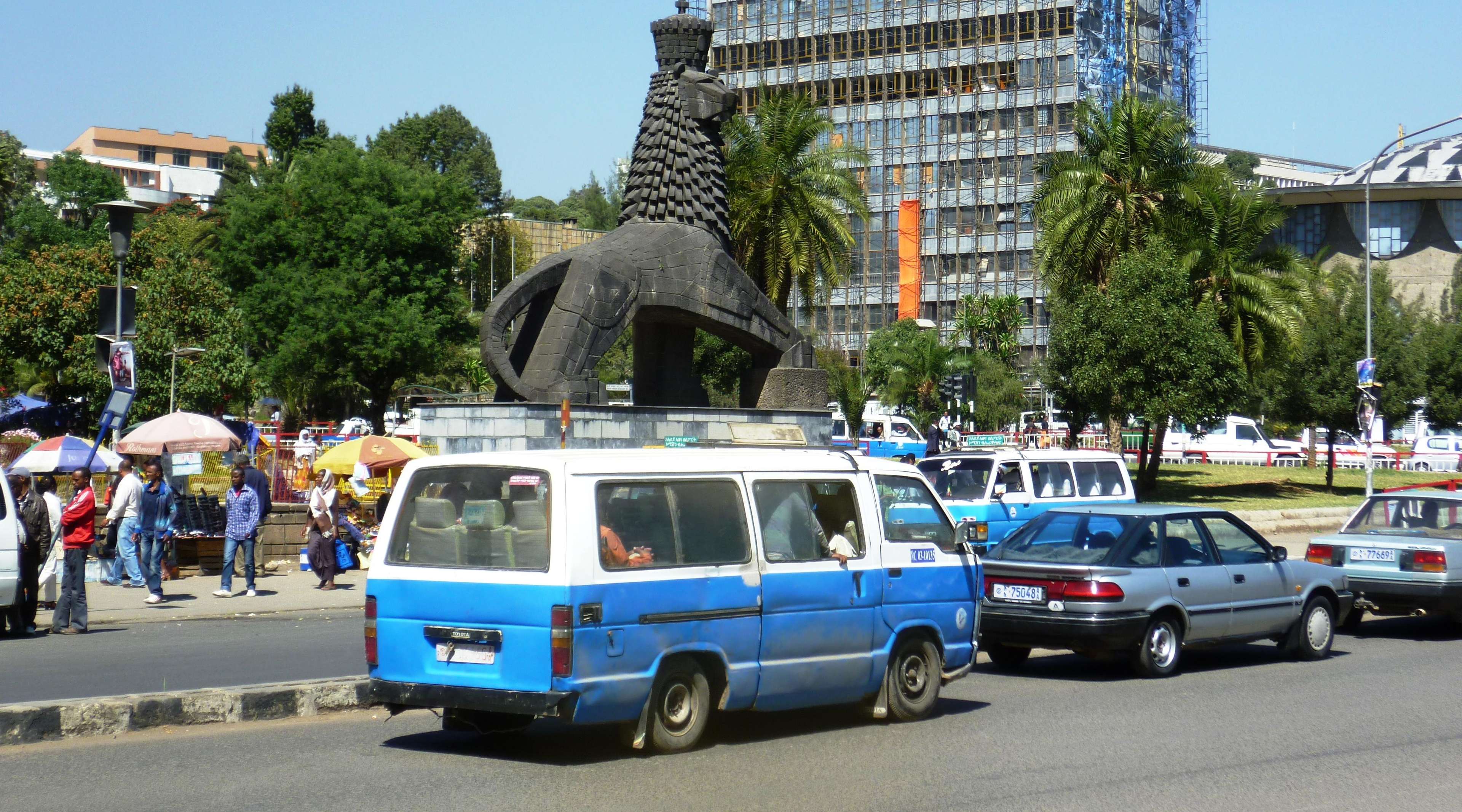
Yes. Addis Ababa is safe for visitors: daily life carries on as normal and most trips are trouble-free. The conflict is in the north, in the Amhara (including Lalibela) and Tigray regions, where travel isn't advised right now. In Addis, the main things to watch are petty theft and scams, as in any big capital, so keep valuables out of sight and use a car after dark. Bishoftu, Hawassa and the south are open and good to visit.
Get a fixed price for this Ask us for a fixed priceYes. Addis Ababa is safe for visitors: a big, busy capital where daily life carries on as normal, and most visits are trouble-free. The conflict is in the north, in the Amhara and Tigray regions. Like any capital, Addis has petty theft and the odd scam, so a little big-city sense goes a long way. The single easiest thing you can do is get around by car rather than on foot or public transport, which is exactly what a private driver is for.
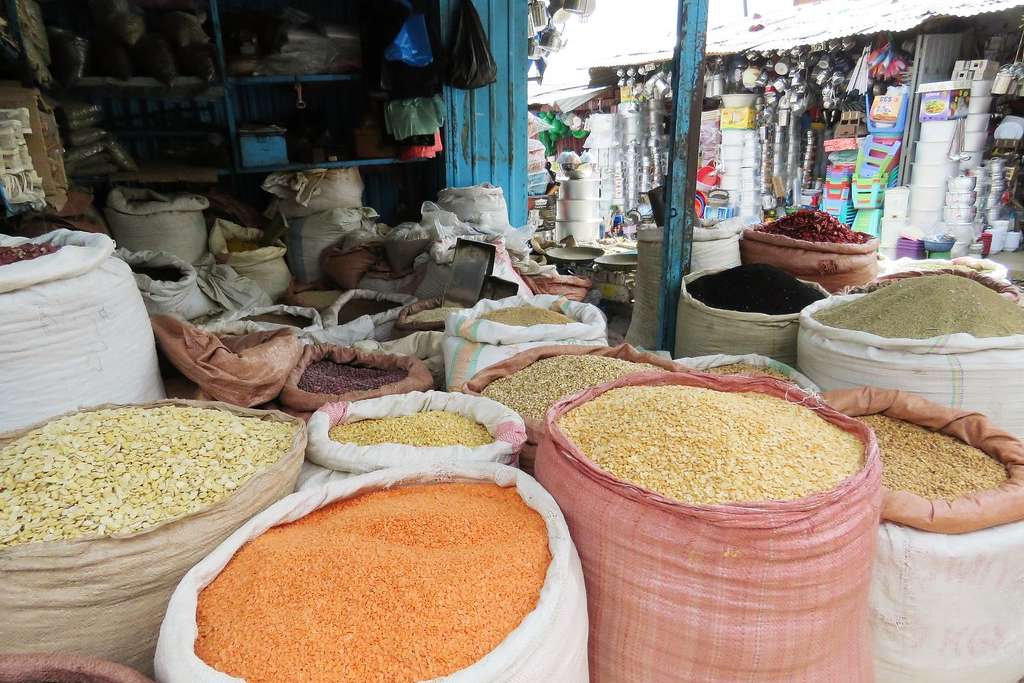
And there is a lot to come for. Addis is where most trips to Ethiopia begin: Lucy at the National Museum, Holy Trinity Cathedral, the views from Entoto, the lanes of Merkato, a proper coffee ceremony and Ethiopian food at its source. It is also where you'll feel the warmth of the welcome first.
What is Addis Ababa like day to day?
Ordinary. People go to work, markets and churches are busy, and cafés and restaurants are open as usual. Most visitors spend their time moving between hotels, museums, restaurants and sights, and the city's rhythm, not its risks, is what they remember.
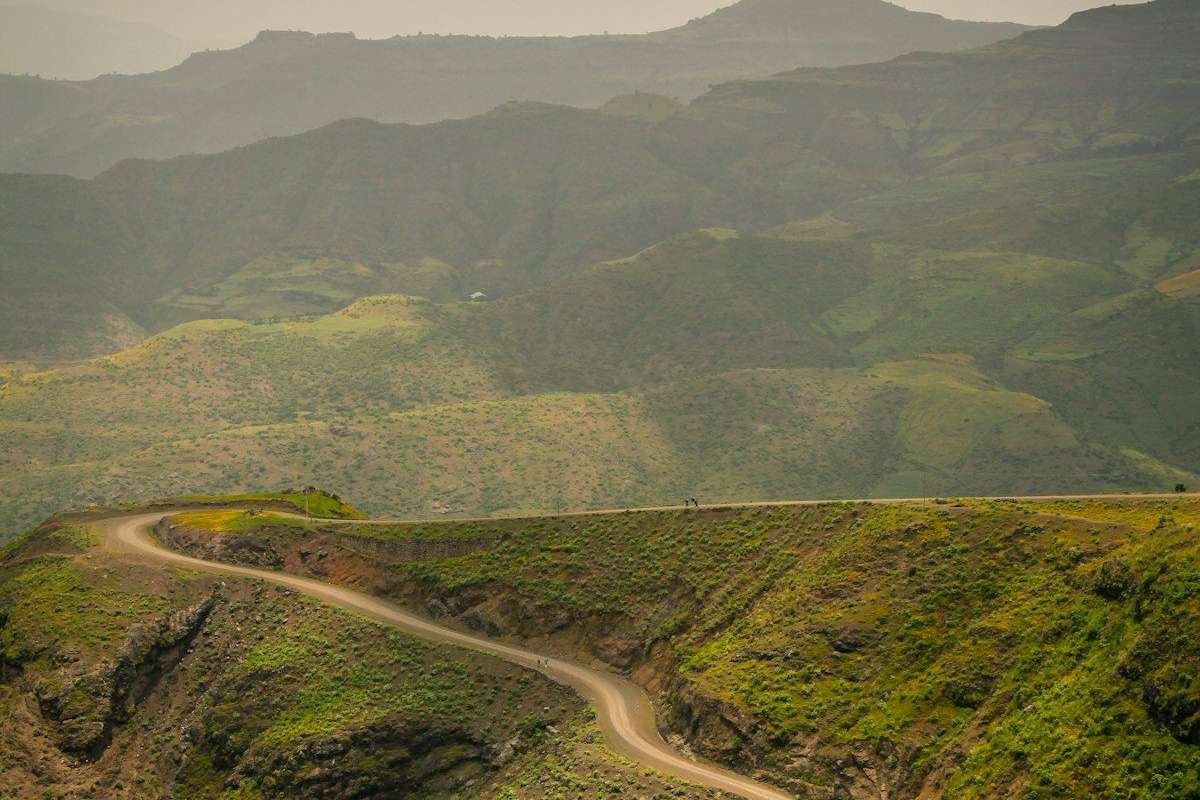
Travel isn't advised right now to Amhara and Tigray in the north, and some governments also advise against parts of Afar, Gambela and a few border areas. Some ask visitors to the capital to take extra care, so read your own government's latest advice before you fly.
What should you watch out for?
Petty theft is the thing you are most likely to meet. Pickpockets and bag-snatchers work busy places such as Bole Road, Piassa, Merkato and around the airport, sometimes using a distraction like a bump, a spilled drink or someone asking for money while another person reaches for a phone. Phones can also be snatched through open car windows in slow traffic, so keep windows up and phones out of sight.
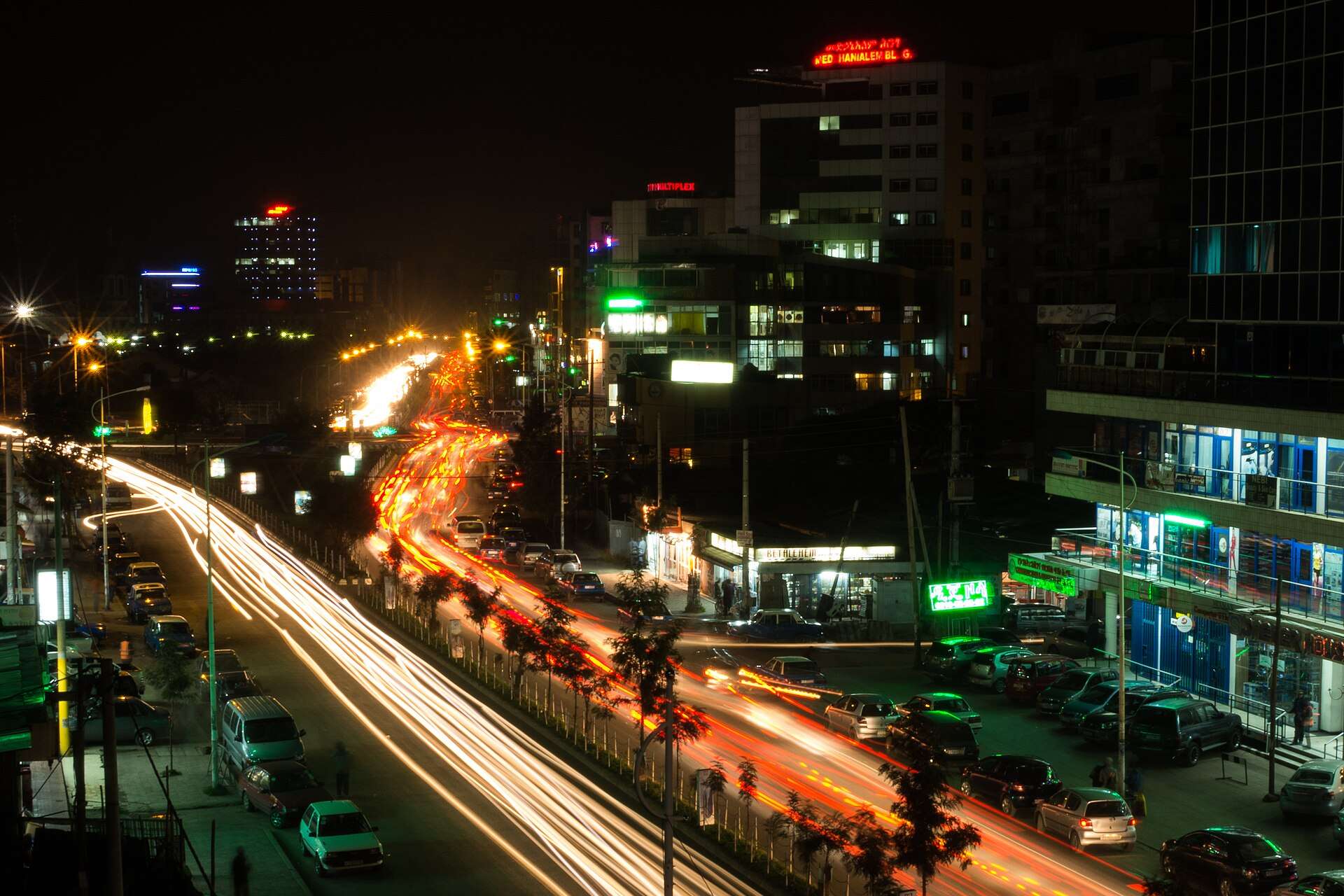
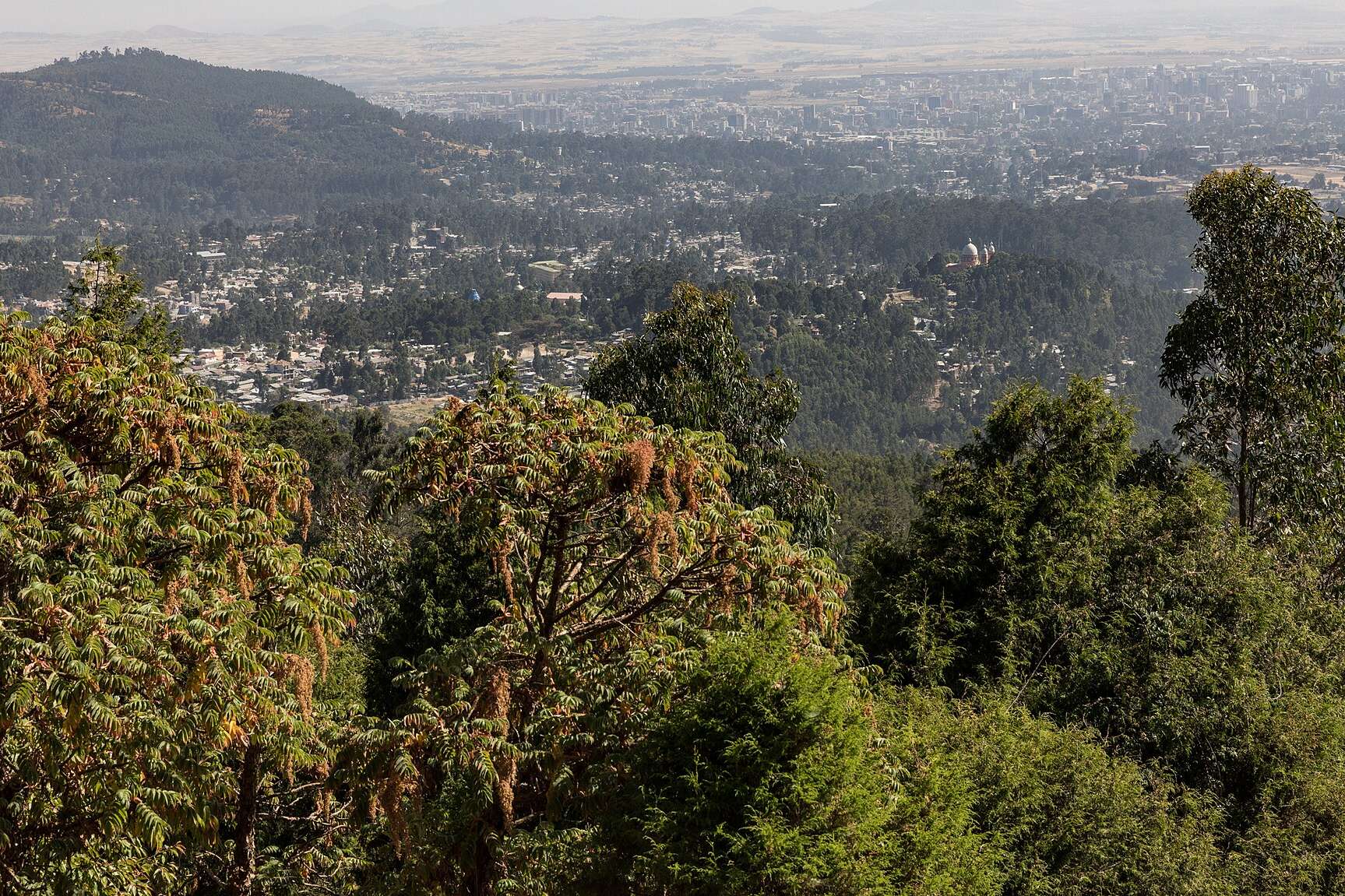
The hilltop parks such as Entoto and Yeka are lovely by day, but walkers on quiet stretches have been robbed, and muggings have also been reported around Meskel Square and parts of Bole after dark. Visit the parks in company and arrive by car. After dark, don't walk: take a car door to door, even for a short hop between a restaurant and your hotel.
Good to know
Demonstrations can start with little notice, and mobile data is sometimes cut during unrest, so step away from any crowd that looks like a protest and keep offline maps and a voice-call number for your hotel or driver. Police sometimes run checkpoints, so carry a paper copy of your passport photo page, visa and entry stamp. Official advice also notes a general risk of terrorism; stay alert in big crowds on major holidays. Choose sealed drinks and don't leave drinks unattended. Same-sex acts are illegal in Ethiopia, so LGBT+ travellers should be discreet.
Since early October 2026, the UK and US governments have also warned that long-range or drone attacks on military sites are possible, including in Addis Ababa. Daily life in the city carries on as normal, but keep away from military bases and installations, and never photograph them.
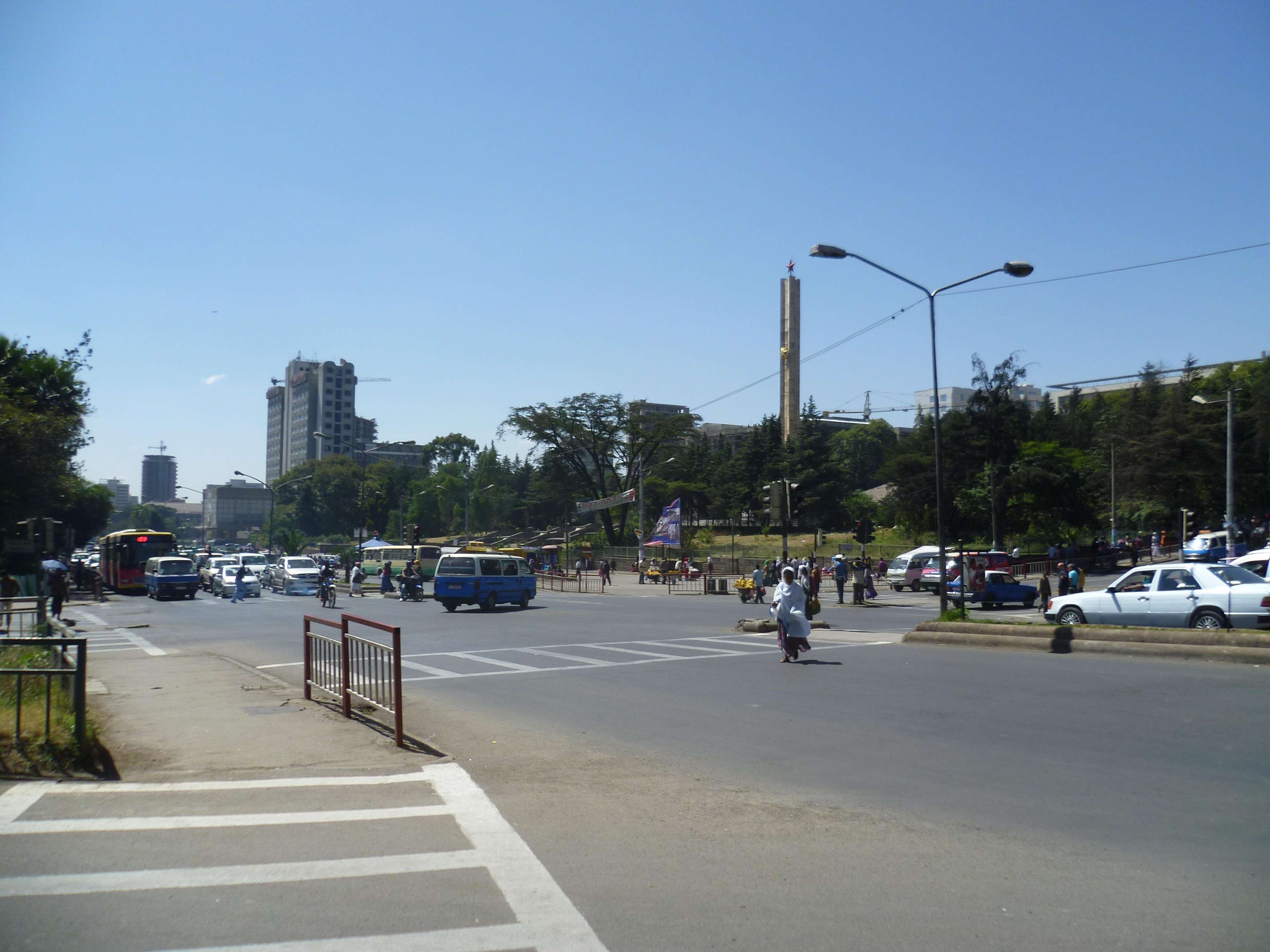
How do you stay safe in Addis Ababa?
- Use cars, especially at night. Use a driver you know, a hotel car or a ride app rather than hailing on the street. If you take a taxi, choose a yellow or app-based one over the blue-and-white ones.
- Keep your phone out of sight. Step into a shop or café to check a map, and keep car windows up in slow traffic.
- Carry less. Leave spare cards and valuables in the hotel safe. Carry a copy of your passport and only the cash you need that day.
- Visit hilltop parks in daylight, with company. A driver can take you up to Entoto or Yeka and wait at the gate.
- Step away from crowds. If a gathering forms, leave the area. Big crowds are common on key national and religious dates.
- Stay informed. Sign up for your embassy's alerts and glance at the news each day.
How does Ethiopia Driver look after you?
In the city, your driver stays with you for the day. We drop you at the door of each place, wait while you visit, and take you on to the next. We help you avoid the pickpocket hotspots, the common scams and overcharging, and you're never flagging taxis on the street or walking dark streets back to your hotel.
For trips outside Addis, we do our own security check before every journey, using reports from our drivers across the country. We talk it through with you and decide together on the best plan: the route, a reroute if needed, what time to leave, and when not to travel. Inside the city and out, you have a trusted local driver as your company for the trip.
Can you travel beyond Addis Ababa?
Yes, to many places. Travel isn't advised right now to Amhara (including Lalibela, Bahir Dar, Gondar and the Simien Mountains), Tigray and parts of Afar, where the current conflict is. If those were on your list, there is plenty to do instead: Bishoftu's crater lakes make an easy day trip, and Hawassa and the south offer a lake, a fish market and a slower pace.
We drive to Bishoftu, Hawassa and other southern cities regularly, and we'll tell you current road conditions before you decide. Read our guides to road safety and day trips when you plan.
Who do you call in an emergency?
The police number is 991, and for an ambulance in Addis Ababa call 907. Emergency calls are likely to be answered in Amharic, so save your hotel's number and your embassy's emergency number too, and keep a paper copy in case your phone is lost.
Questions people ask us
Is Addis Ababa safe right now?+−
Yes. Daily life in Addis carries on as normal and most visits are trouble-free. The conflict is in the north, in Amhara and Tigray. Some governments ask visitors to take extra care, so check your own government's advice, keep valuables out of sight and use a car after dark.
Is Bole airport safe?+−
Yes. Bole is a large, modern airport with security checks at the terminal entrance. The main risks are petty theft, unofficial drivers and overcharged fares, so use transport arranged in advance, especially at night. Our guide to whether Bole airport is safe has arrival tips.
Is it safe to walk around Addis Ababa?+−
By day in busy areas, generally yes if you keep valuables out of sight. In the evening, use a car rather than walking.
Is Addis Ababa safe at night?+−
Most evenings out are trouble-free, but petty theft rises after dark. Don't walk between places at night; go door to door by car and keep your phone out of sight.
Does the conflict in the north affect Addis Ababa?+−
The conflict is in the north, in Amhara (including Lalibela) and Tigray, where travel isn't advised right now. Daily life in Addis carries on as normal. Addis Ababa, Bishoftu and Hawassa in the south are good places to visit, and our drivers drive to the south regularly.
Which areas of Addis should I be careful in?+−
Keep an eye on your phone and bag in busy places such as Bole Road, Piassa, Merkato and Meskel Square, use a car rather than walking after dark, and visit the hill parks around the city, such as Entoto and Yeka, in daylight and with company.
Will the internet work in Addis Ababa?+−
Usually, but authorities can cut mobile and internet services during unrest. Keep offline maps and a voice-call backup.
What is the police number in Ethiopia?+−
991 for police and 907 for an ambulance in Addis Ababa.
How do I find out what the roads in Ethiopia are like right now?+−
Message us. Our drivers work across the country and share road conditions as they happen, so we can tell you what your route looks like today. Check official travel advice as well.
What is the safest way to get around Addis Ababa as a tourist?+−
By car, door to door. Ethiopia Driver is a family-run private driver service in Addis: we meet you at Bole airport, drive you around the city by the day, wait while you visit each place and help you avoid scams and overcharging. Message us on WhatsApp or email for a fixed quote.
Sources
We checked this answer against these pages on 8 October 2026. Rules and advice change, so check official sources before you travel.
- Ethiopia travel advice · UK FCDO
- Ethiopia travel advice: safety and security · UK FCDO
- Ethiopia travel advice: getting help · UK FCDO
- Ethiopia Travel Advisory · US Department of State
- Ethiopia International Travel Information · US Department of State
- Security Alert: U.S. Embassy Addis Ababa, Ethiopia (September 25, 2026) · U.S. Embassy in Ethiopia
- Security Alert: U.S. Embassy Addis Ababa, Ethiopia (September 23, 2026) · U.S. Embassy in Ethiopia
- Security Alert: Crowds and Traffic for Meskel · U.S. Embassy in Ethiopia
- Travel advice and advisories for Ethiopia · Government of Canada
- Ethiopia travel advice · Smartraveller (Australian Government)
- Ethiopia travel advice (updated 1 October 2026) · Smartraveller (Australian Government)
- Ethiopia travel advice: safety and security (updated 7 October 2026) · UK Foreign, Commonwealth & Development Office
Written by Abel Gizaw, Addis Ababa. Abel schedules our drivers. A family-run driver service. We only write about roads we drive ourselves and we update these answers regularly. Something changed? Tell us on WhatsApp.