Yes, but not the Big Five kind you find in Kenya or Tanzania. Ethiopia's wildlife is about animals that live nowhere else, such as the Ethiopian wolf, gelada, mountain nyala and Walia ibex, plus birds and big landscapes. The best park you can visit right now is Bale Mountains National Park, home to the largest population of Ethiopian wolves. Abijatta-Shalla on the road south and Nechisar near Arba Minch also work, while the Simien Mountains and Awash are not advised at the moment.
Get a fixed price for this Ask us for a fixed priceYes, Ethiopia has wildlife trips and national parks, but don't expect a Kenyan-style safari with lions, elephants and huge herds on open plains. Ethiopia's draw is rarer: animals that live nowhere else on earth, like the Ethiopian wolf, the gelada and the mountain nyala, high mountain plateaus, Rift Valley lakes full of birds, and quiet parks.
Ethiopia Driver is a family-run private driver service in Addis Ababa. We drive travellers to the Bale Mountains, the Rift Valley lakes and Arba Minch, and we plan each trip around the current conditions on the road. We are drivers, not wildlife guides, so below we're honest about what each park offers and which ones are not advised right now.
Is Ethiopia a safari destination like Kenya or Tanzania?
Not in the classic sense. Big cats, elephants and giraffes are absent from most of the country, or found only in a few remote places at the right time of year. Lions and leopards do live in Bale, for example, but they are very rarely seen. In parks such as Nechisar and Awash, poaching and overgrazing have brought wildlife numbers down, and many of the big safari animals have gone from Nechisar altogether.
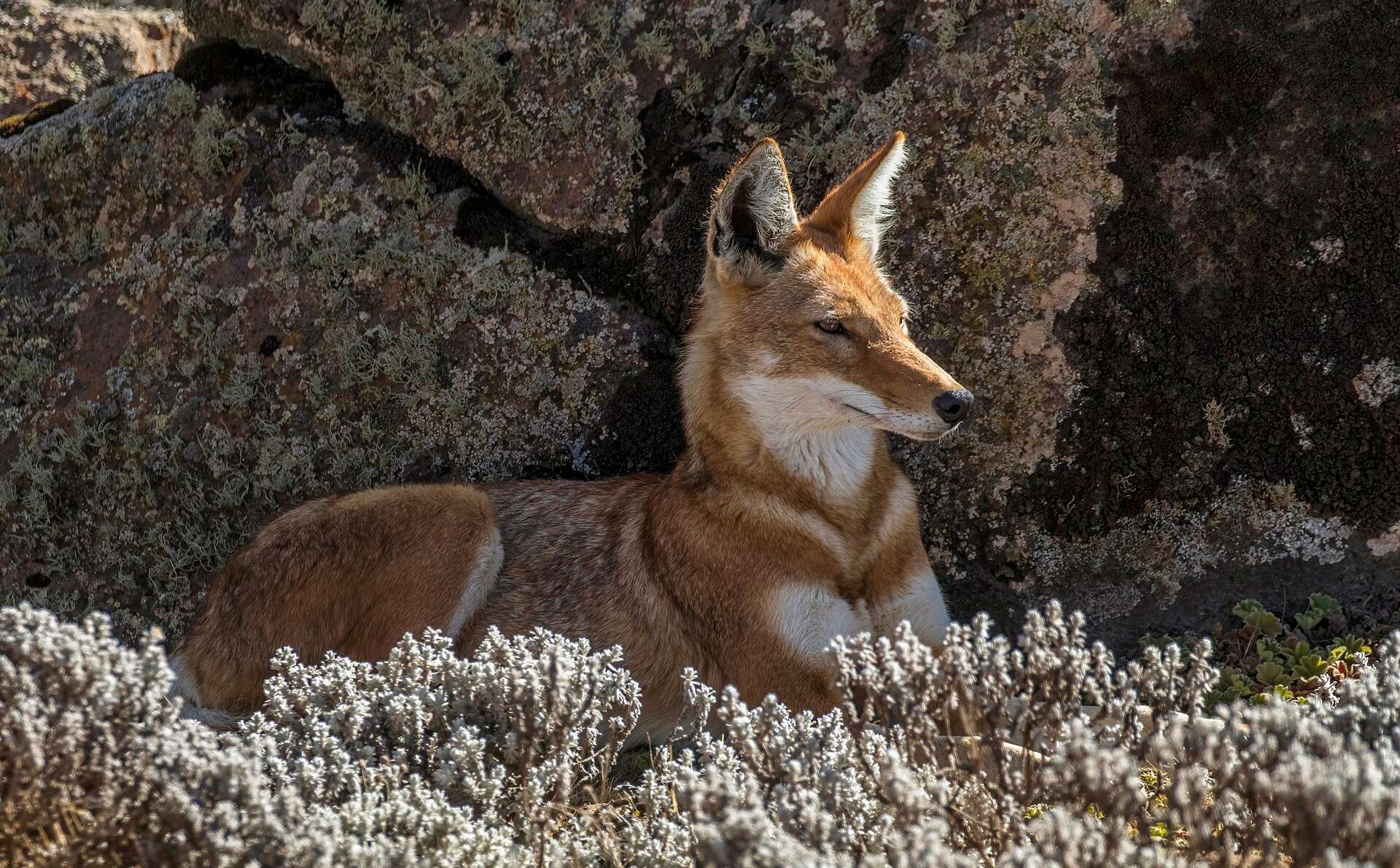
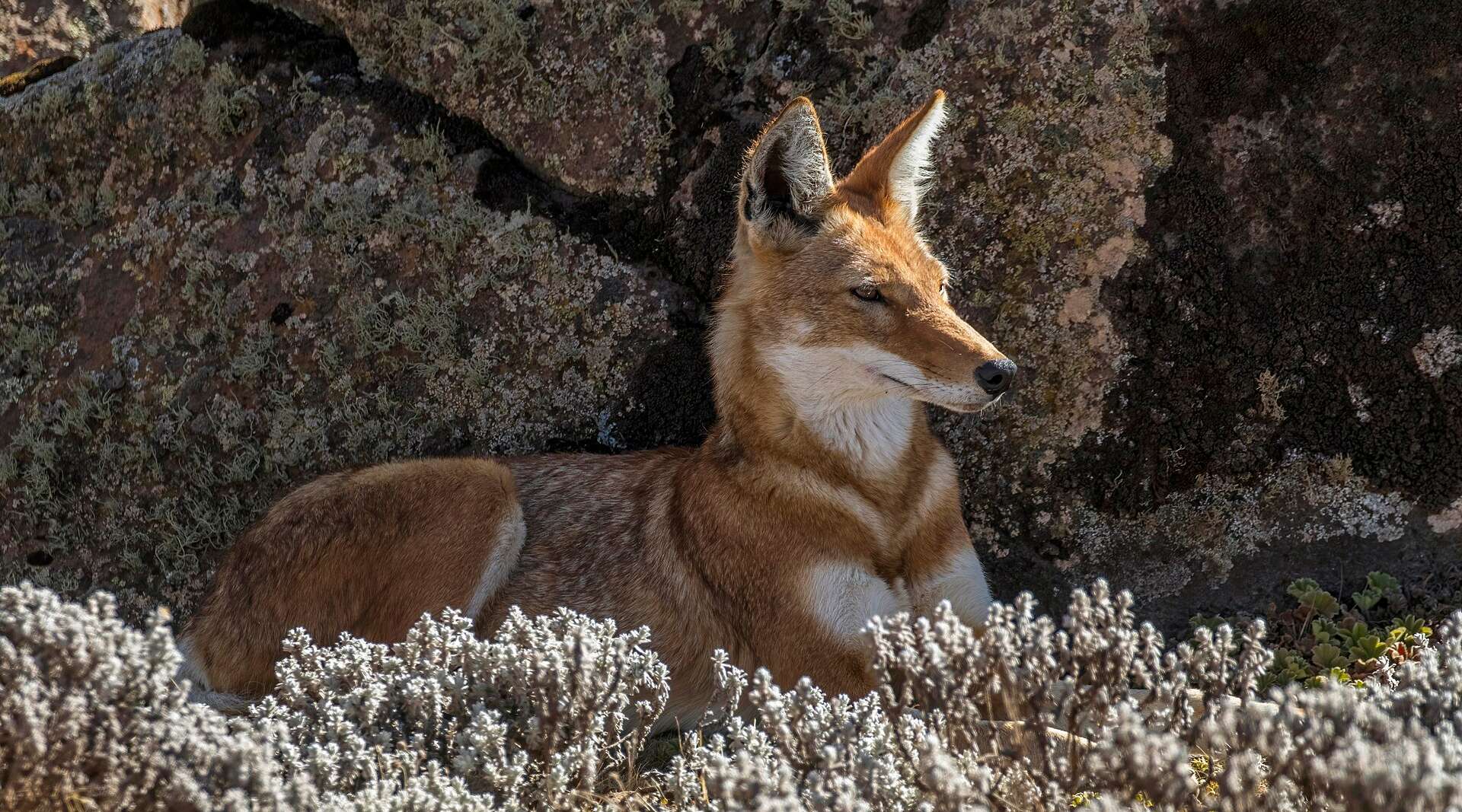
What Ethiopia does have is endemism. Its highlands hold mammals and birds found nowhere else, and seeing an Ethiopian wolf trotting across a moorland at 4,000 m is something no Kenyan safari can offer. Think of a trip here as a wildlife and landscape journey, often combined with lakes, coffee and culture, rather than a game drive.
Which animals can you only see in Ethiopia?
- Ethiopian wolf. A slim, red-coated wolf of the high moorlands that hunts rodents in the open. Only a few hundred survive, and the largest population lives in Bale Mountains National Park.
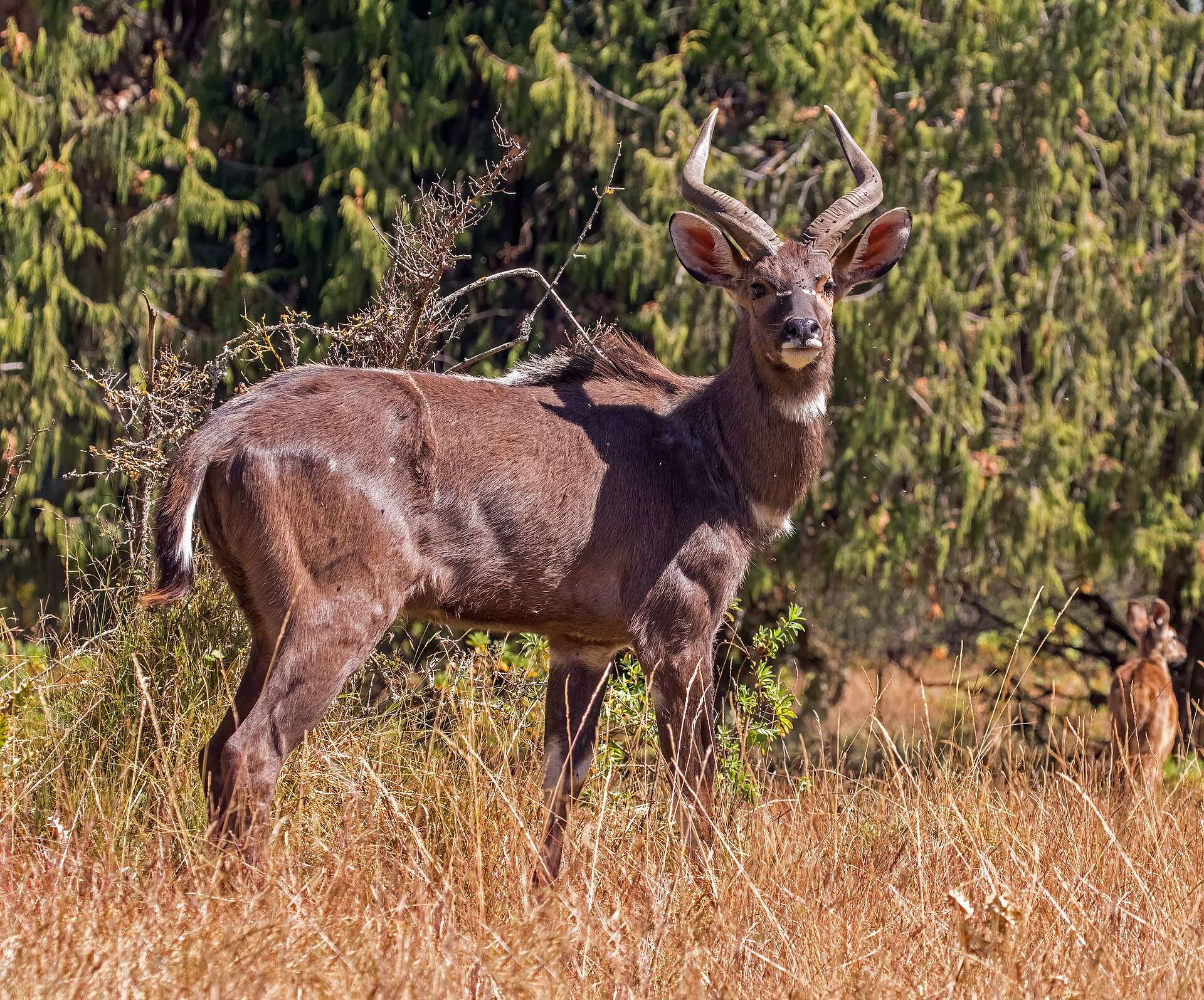
- Mountain nyala. Ethiopia's own large antelope, with spiral horns on the males. The largest protected population lives in the north of Bale, around Dinsho and Mount Gaysay.
- Gelada. A grass-eating monkey found only in the Ethiopian highlands, famous for the red patch on its chest. Its stronghold is the Simien Mountains.
- Walia ibex. A wild mountain goat now restricted to the Simien Mountains.
- Bale monkey. A bamboo-forest monkey found only in the highlands east of the Rift Valley, and hard to see.
The catch is geography. The wolf and the nyala are in Bale, which you can visit. The gelada's and the ibex's classic home, the Simien Mountains, is in Amhara, where travel is not advised right now.
Which national parks can you visit right now?
| Option | Time | Cost | Good for |
|---|---|---|---|
| Bale Mountains National Park | 6–7 hours by road, or fly to Robe | Fixed quote | Ethiopian wolf, mountain nyala, hiking; 2–3 nights |
| Abijatta-Shalla National Park | About 200 km south, on the way to Hawassa | Fixed quote | Flamingos, pelicans, hot springs; a few hours |
| Nechisar National Park (Arba Minch) | Long day by road, or a short flight | Fixed quote | Zebra, gazelles, crocodiles on Lake Chamo |
| Menagesha Suba forest | About 45 km west of Addis | Check advice first | Forest birds and walks |
| Awash National Park | East of Addis | Not advised now | Oryx, gazelles, dry plains |
| Simien Mountains National Park | Northern highlands | Not advised now | Geladas, Walia ibex |
Bale Mountains National Park
This is Ethiopia's best wildlife park and a UNESCO World Heritage Site. The Sanetti Plateau, a cold, open moorland at around 4,000 m, is the best place in the world to see Ethiopian wolves. The grasslands near the park headquarters at Dinsho are where most visitors see mountain nyala, and the Harenna Forest further south is home to forest monkeys and birds. Bale also counts more than 360 bird species.
A private car takes six to seven hours from Addis, so plan two or three nights. Ethiopian Airlines also flies to Robe on some days of the week, about 40 minutes from Dinsho. The park itself is one of only two places in Oromia that the US exempts from its warnings, but the roads there cross areas where advice is stricter, so we plan the route and timing with you, or suggest the flight. Our guide to getting to the Bale Mountains covers the routes in detail.
Abijatta-Shalla National Park
About 200 km south of Addis, close to the main road to Hawassa, this park protects two soda lakes. Flamingos and great white pelicans are the stars, along with storks, herons and hot springs on the shore. It is mainly about birds and scenery, and a couple of hours is enough, so most people visit it as a stop on the drive south with Lake Ziway and Lake Langano. See how to visit Ziway, Langano and Abijatta-Shalla.
Nechisar National Park
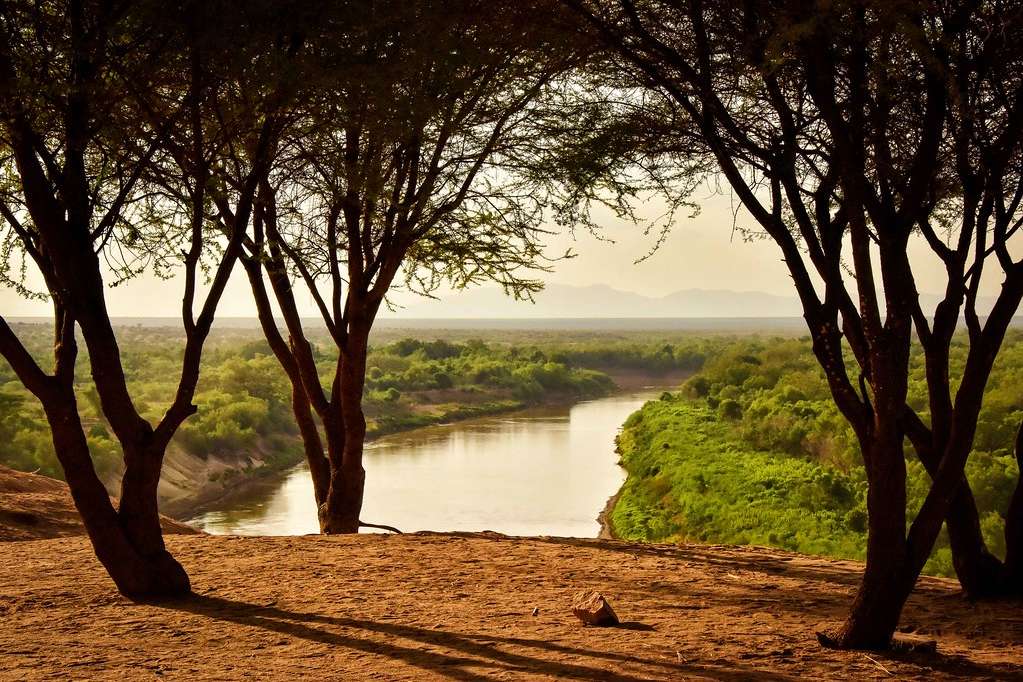
Right on the edge of Arba Minch, Nechisar covers the strip of land between Lake Abaya and Lake Chamo and the pale grass plains beyond. Plains zebra and Grant's gazelle live on the plains, and a boat trip on Lake Chamo takes you to the 'crocodile market', a shore where big Nile crocodiles bask. Wildlife numbers are lower than they were, the track to the plains needs a 4x4 and can become impassable in the rains, and the dry months from November to February are best. Our page on what to do in Arba Minch has more.
Menagesha Suba forest
About 45 km from Addis by the road through Sebeta, this is often described as the oldest protected state forest, and it is a good spot for highland forest birds such as the yellow-fronted parrot and Abyssinian catbird. It is close, but it lies in Oromia just west of the city, where some governments currently advise against travel, so ask us how it looks before you plan it.
Which parks are not advised right now?
The Simien Mountains are the best place in Ethiopia for geladas and the only home of the Walia ibex, but they are in Amhara, and travel there isn't advised right now. Awash National Park, east of Addis, has beisa oryx and Soemmerring's gazelle on its dry plains, but it lies in parts of Afar and eastern Oromia where official advice currently warns against travel. Gambella, known for big antelope herds, is in a region under an all-travel warning.
Our drivers work across Ethiopia and report road conditions as they happen, so we often know about a change before it reaches the news. Before every trip outside Addis we do our own security check and decide the plan with you.
When is the best time for wildlife in Ethiopia?
The dry months from roughly November to February are best for Bale and Nechisar. Mornings are clear, park tracks are easier and the roads are drier. In the rainy months, tracks turn muddy and hiking is hard work; around Arba Minch the wettest months are April, May, September and October, when the road to the Nechisar plains can become impassable. The Sanetti Plateau is cold, so bring warm layers, a hat and gloves whenever you go.
Do you need a guide, and how does it work with a driver?
Pay your entry fees at the park office (in Bale, the headquarters at Dinsho) and ask there about a local guide or scout; check the current fees on the day. For birds and wildlife, a specialist guide makes a real difference. We do the driving: we pick you up in Addis, drive you to the park and between parks, wait while you walk, and keep the trip on schedule so you arrive before dark. If you only have a day, see what day trips from Addis Ababa are possible right now.
Questions people ask us
Does Ethiopia have the Big Five?+−
Not in a way you can plan a trip around. A few lions, leopards and elephants live in remote parks, but they are rarely seen, and Ethiopia's wildlife highlights are its endemic animals such as the Ethiopian wolf and mountain nyala.
Where is the best place to see the Ethiopian wolf?+−
The Sanetti Plateau in Bale Mountains National Park, which holds the largest population. The wolves hunt rodents in the open moorland, so they are easiest to spot there.
Can you do a safari day trip from Addis Ababa?+−
Not really. Abijatta-Shalla, about 200 km south, works as a stop on a trip to Hawassa, and Bale needs two or three nights. For a day out of Addis, see our day trips guide and ask us about current conditions.
Can you visit Awash National Park or the Simien Mountains right now?+−
Not advised at the moment. The Simien Mountains are in Amhara, under an all-travel warning, and Awash lies in areas where official advice warns against travel. Check the latest advice before planning.
When is the best time to visit Ethiopia's national parks?+−
The dry season from about November to February, when tracks are easier and mornings clear. Rainy months turn park tracks to mud, and some become impassable.
Can someone drive me from Addis Ababa to the Bale Mountains or Arba Minch?+−
Yes. Ethiopia Driver drives travellers from Addis to Bale, the Rift Valley lakes and Arba Minch, plans the route with you and can book hotels and domestic flights in birr. We are drivers, not guides. Message us on WhatsApp or email for one fixed quote for the whole car.
Sources
We checked this answer against these pages on 23 October 2026. Rules and advice change, so check official sources before you travel.
- Ethiopia travel advice (regional risks) · UK Foreign, Commonwealth & Development Office
- Travel Advisory: Ethiopia – August 27, 2026 · U.S. Embassy in Ethiopia / US Department of State
- Ethiopia Safari in Context · Brilliant Ethiopia
- Abijatta-Shalla National Park · Brilliant Ethiopia
- Ethiopian endemics: a guide to the country's unique wildlife · Bradt Guides
- Bale Mountains National Park: 2025 Conservation Outlook · IUCN World Heritage Outlook
- Getting there and around · Bale Mountains National Park
- Nechisar National Park overview · SafariBookings
- Awash National Park wildlife · SafariBookings
- Subba forest · Oromia Tourism Commission
Written by Abel Gizaw, Addis Ababa. Abel schedules our drivers. A family-run driver service. We only write about roads we drive ourselves and we update these answers regularly. Something changed? Tell us on WhatsApp.