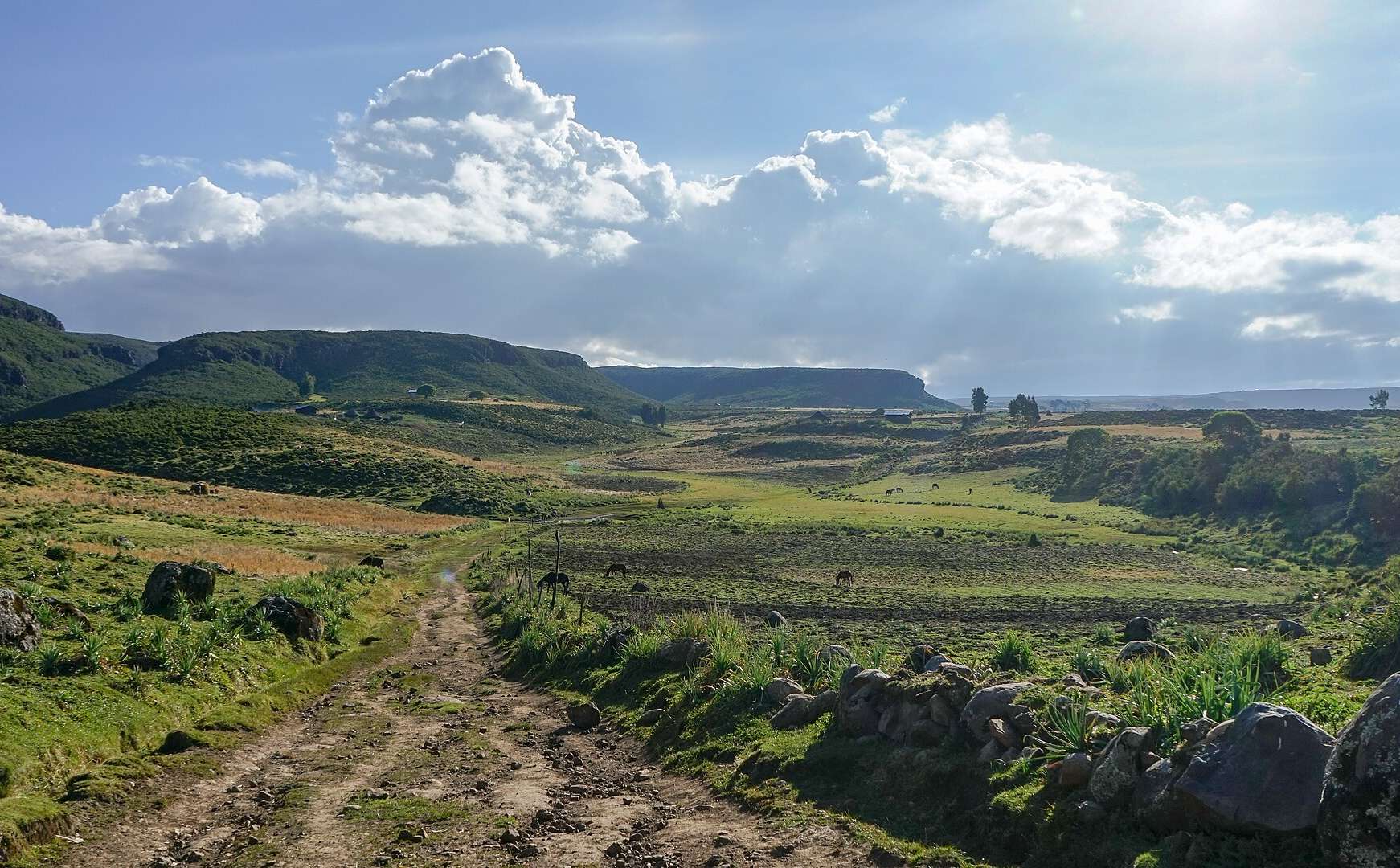
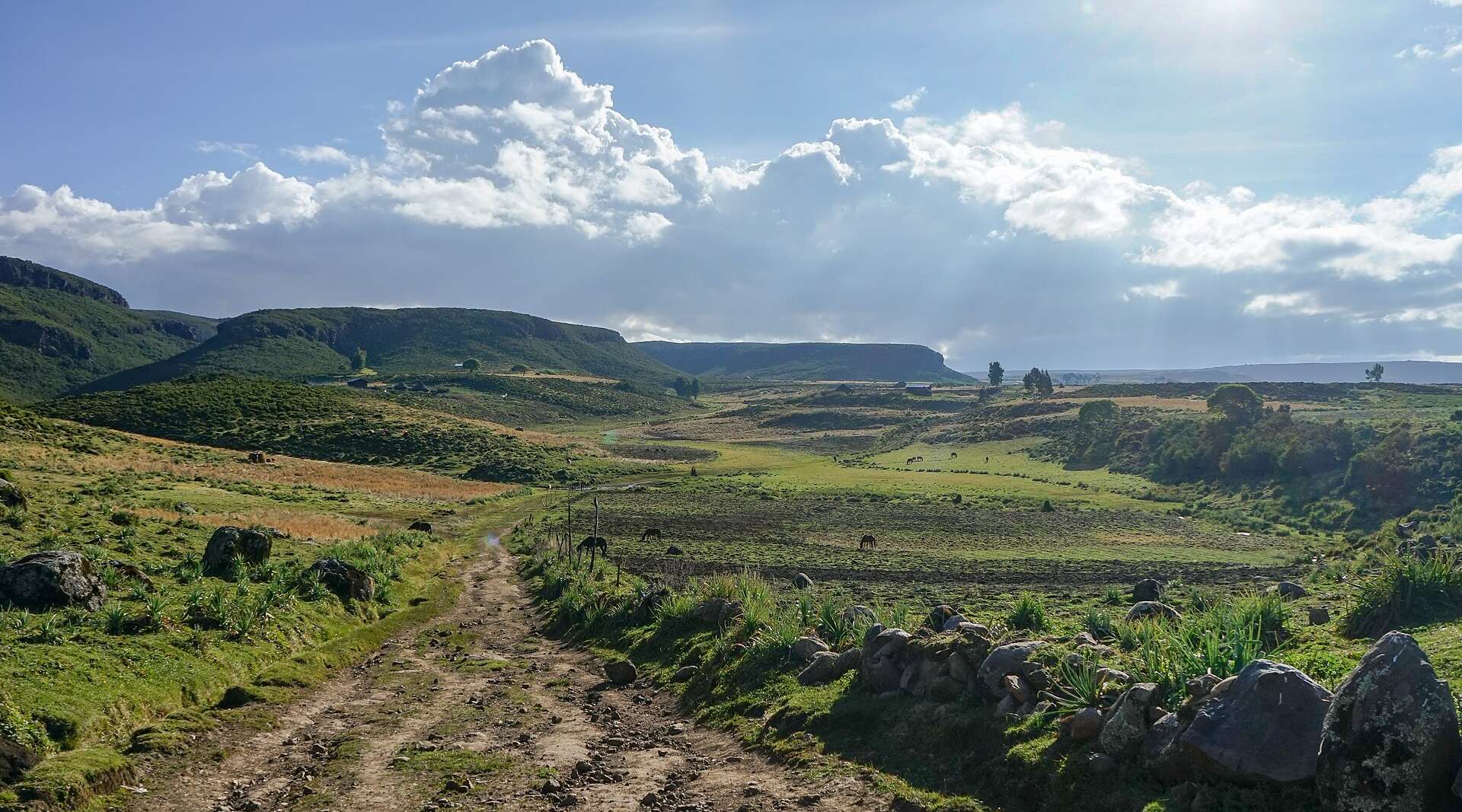
Yes. Ethiopia has 12 UNESCO World Heritage sites, a Christian tradition going back to the fourth century, coffee in the country where it was first drunk, a cuisine found nowhere else, and highland and Rift Valley scenery with wildlife such as the Ethiopian wolf. Right now the trips that work are Addis Ababa, Bishoftu's crater lakes, the Rift Valley lakes, Hawassa, the Bale Mountains and Arba Minch. A week covers Addis and the lakes; ten days to two weeks lets you add Bale or Arba Minch.
Get a fixed price for this Ask us for a fixed priceYes. For anyone who enjoys history, food and big landscapes, Ethiopia is one of the most rewarding countries in Africa. It has 12 UNESCO World Heritage sites, its own alphabet and calendar, a Christian tradition that goes back to the fourth century, coffee in the land where it was first drunk, and a cuisine that tastes like nowhere else. Right now the trips that work are in and around Addis Ababa and in the south. Here is what makes Ethiopia special, what you can see today, who will love it and how long to stay.
We are Ethiopia Driver, a family-run private driver service in Addis Ababa. We meet travellers at Bole airport, drive them around the capital by the day and take them on whole-car trips to Bishoftu, Hawassa and the south, so this is the same honest answer we give our own customers.
What is Ethiopia known for?
- Never colonised. Ethiopia defeated an Italian army at Adwa in 1896 and, apart from the Italian occupation of 1936 to 1941, kept its independence. It is one of only two African countries never colonised, and people are proud of it.
- An ancient Christian faith. Christianity reached the kingdom of Aksum in the fourth century, and Ethiopia is often counted as the second country to adopt it. Orthodox churches and festivals are part of everyday life.
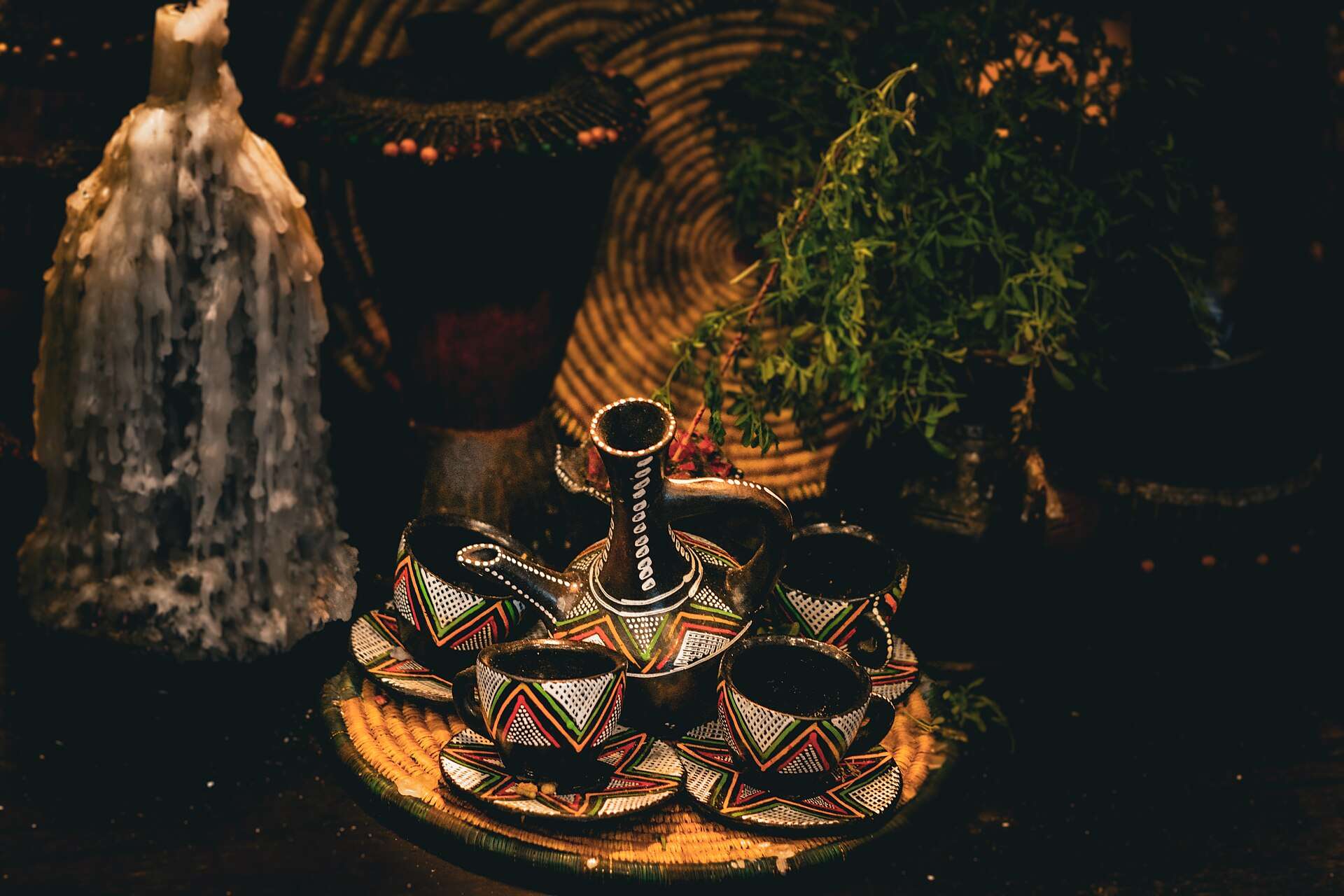
- Coffee. Coffee drinking began in Ethiopia, and by tradition a goatherd called Kaldi discovered it when his goats grew lively after eating the berries. It is still roasted, ground and brewed in front of you at a coffee ceremony.
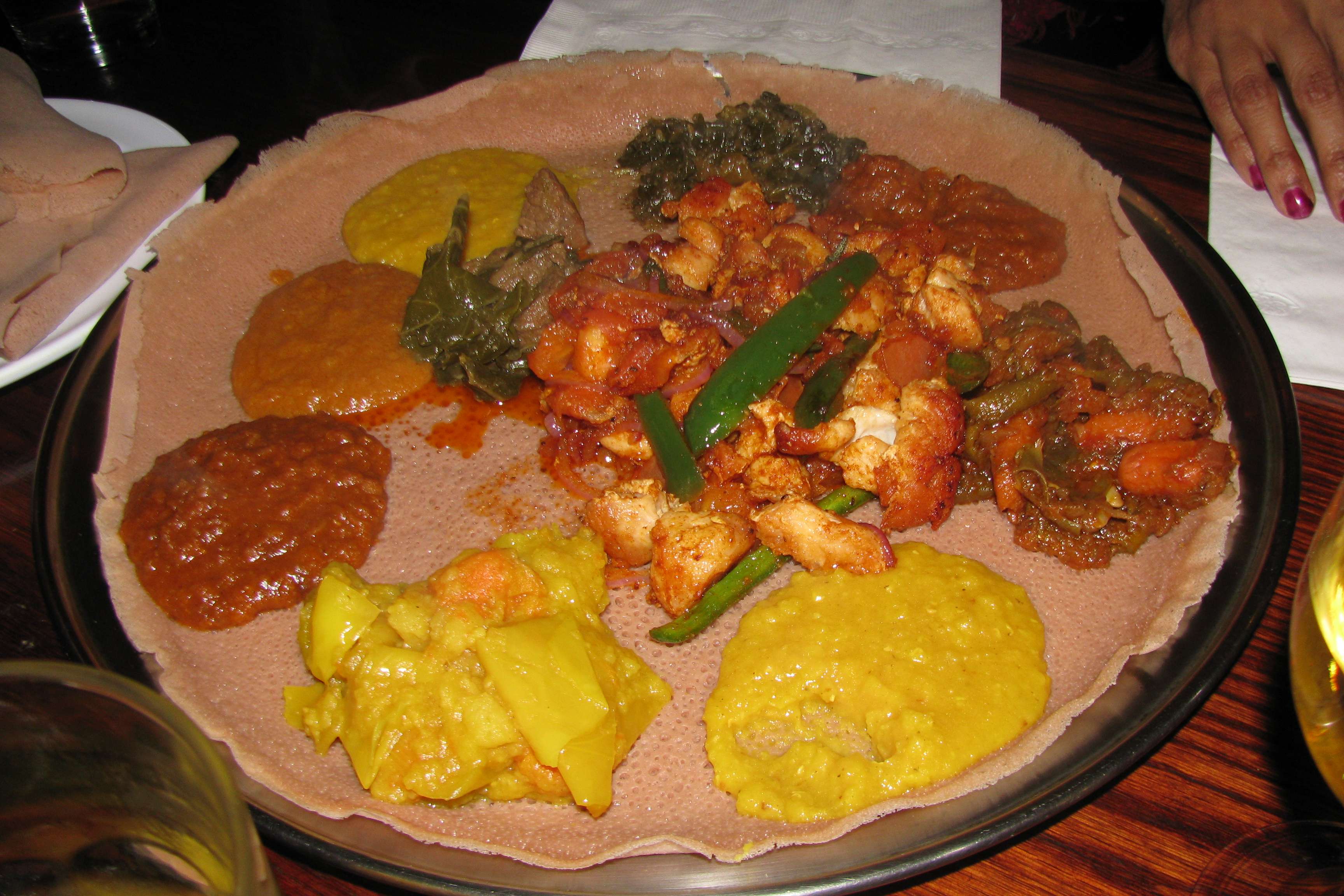
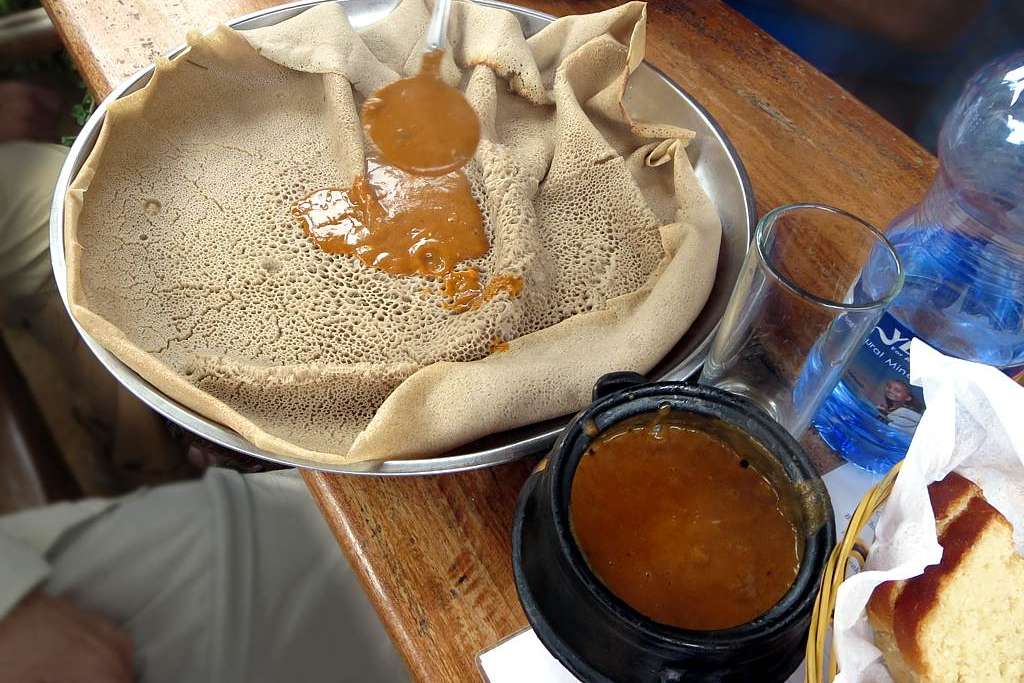
- Food you won't find elsewhere. Meals come on injera, a large sourdough flatbread made from teff, with spicy stews such as doro wat. The Orthodox Church fasts on Wednesdays, Fridays and through Lent, so menus everywhere have a section of vegan "fasting" dishes.
- Lucy. The 3.2-million-year-old skeleton known as Lucy was found in Ethiopia in 1974; a replica is on show at the National Museum in Addis Ababa.
- Its own calendar. Ethiopia counts 13 months and runs seven to eight years behind the Western calendar.
- Rare wildlife. The Ethiopian wolf lives only in Ethiopia's mountains and is among the rarest wild dogs on earth, and the country has dozens of endemic and near-endemic birds.
Why is it worth the trip?
It is the mix. In one day in Addis you can stand in front of Lucy, drink coffee roasted in front of you, share a platter of injera with your hands and hear live music in the evening. Drive south and the highlands drop into the Rift Valley, a chain of lakes where pelicans, storks and flamingos gather. Further on, the Bale Mountains rise to the Sanetti Plateau, a cold, open moorland that looks like nowhere else in Africa.
Ethiopia also feels like its own place. It keeps its own calendar and its own script, and its music, dress and food have kept their character. Hospitality matters here, and being invited to share coffee is a common way to welcome a guest.
What can you visit in Ethiopia right now?
Plenty. The capital and the south are open and busy with ordinary life, and these are the trips our customers take:
- Addis Ababa: the National Museum, the Ethnological Museum in a former palace, the Red Terror Martyrs' Memorial Museum, Holy Trinity Cathedral, Unity Park, Entoto's views over the city, Merkato market and the coffee houses.
- Bishoftu: a ring of crater lakes with lakeside hotels just south-east of the capital, an easy day trip or a quiet night away.
- The Rift Valley lakes: Ziway, Langano and Abijatta-Shalla string south towards Hawassa. Abijatta is known for flamingos, and pelicans and marabou storks feed at Ziway's jetty.
- Hawassa: a lakeside city about 270 km south of Addis, with a fish market on the shore and hippos in the lake. We drive there regularly, in daylight and leaving early.
- Bale Mountains National Park: a UNESCO World Heritage site since 2023, with the Sanetti Plateau's moorland and the main stronghold of the Ethiopian wolf.
- Arba Minch: boat trips on Lake Chamo to see Nile crocodiles, and Nechisar National Park, where zebras live on the land between Lakes Abaya and Chamo.
Travel to parts of the north, including Lalibela, Gondar and the Simien Mountains, isn't advised right now; our guide to visiting Lalibela right now has the latest, and check your own government's advice before you book.
Is Addis Ababa worth visiting?
Yes, for two or three days. Some travellers treat Addis as a city to pass through, but that misses its best side: Lucy at the National Museum, Holy Trinity Cathedral, where Emperor Haile Selassie is buried, the Red Terror museum's memorial to those killed under the Derg, and some of the best coffee and traditional music in the country. It is also where you will eat best, from simple injera houses to cultural restaurants with dancing.
The catch is distance: the sights are spread across a big, busy city. That is where a driver by the day earns its keep. Our driver drops you at each door, waits outside and takes you on to the next stop, with no flagging taxis or haggling over fares. For a sensible plan, see how many days you need in Addis Ababa.
Who will love Ethiopia, and who may not?
You will probably love it if you are:
- Curious about history, faith and old churches
- A food lover, a coffee lover or a vegan (fasting food is everywhere)
- A birdwatcher or wildlife fan heading for the lakes and the Bale Mountains
- Visiting family, or coming back to the country your parents left
- Happy with a trip that feels genuinely different from home
It may not suit you if:
- You want an easy, polished trip. Even guidebooks that love Ethiopia say it is never the easiest place to travel, and the drives between sights are long.
- You want a beach. Ethiopia has no coastline; its lakes are the closest you get.
- You dislike attention. Foreigners get greeted, stared at and called out to, more so outside Addis.
- You want to cover a lot of ground in a few days. Distances are long, and roads outside the city are best driven in daylight only.
How long should you go for?
A week is enough for a good first trip: two or three days in Addis, a night by Bishoftu's lakes, then a drive south past the Rift Valley lakes to Hawassa. Our 7-day Ethiopia itinerary lays it out day by day. With ten days to two weeks you can slow down and add Arba Minch or the Bale Mountains. If you only have a long layover, even a single day in Addis is worth leaving the airport for.
We can put the whole trip together for you: the airport pickup, the driving, and your hotels and domestic flights, which we book in birr. Before every trip outside Addis we do our own security check with our drivers across the country, who report road conditions as they happen, and we plan the route and timing with you.
When is the best time to go?
The dry season, roughly October to March, is the easiest time to travel. The main rains fall from June to September, with July and August the wettest months. Addis sits high in the highlands, so it stays mild all year with cool evenings; bring a warm layer whenever you come.
Questions people ask us
Is Ethiopia worth visiting right now?+−
Yes. Addis Ababa, Bishoftu's crater lakes, the Rift Valley lakes, Hawassa, the Bale Mountains and Arba Minch are open to visitors and make a full trip on their own. Check your own government's travel advice before you book.
What is Ethiopia most famous for?+−
Coffee, which was first drunk here; never being colonised; an ancient Orthodox Christian tradition; Lucy, the 3.2-million-year-old skeleton found in 1974; and injera, the sourdough flatbread most meals are served on.
Is Addis Ababa worth visiting?+−
Yes, for two or three days. It has the National Museum with Lucy, Holy Trinity Cathedral, Unity Park, Entoto's views and the best food, coffee and music scene in the country.
How many days do you need in Ethiopia?+−
Seven days covers Addis Ababa, Bishoftu and the drive south to Hawassa. Ten days to two weeks lets you add Arba Minch or the Bale Mountains without rushing.
Is Ethiopia good for vegans?+−
Very. The Orthodox Church fasts on Wednesdays, Fridays and through Lent, so restaurants serve vegan fasting dishes, often as a mixed platter on injera.
Can someone plan my driver, hotels and flights in Ethiopia?+−
Yes. Ethiopia Driver, a family-run private driver service in Addis Ababa, meets you at Bole airport, drives you around Addis and on whole-car trips to Bishoftu, Hawassa and the south, and books your hotels and domestic flights in birr. You pay us in US dollars or your own currency; message us on WhatsApp or email for a fixed quote.
Sources
We checked this answer against these pages on 23 October 2026. Rules and advice change, so check official sources before you travel.
- Ethiopia: properties inscribed on the World Heritage List · UNESCO World Heritage Centre
- Ethiopia travel advice · UK Foreign, Commonwealth & Development Office
- Ethiopia travel guide · Rough Guides
- Ethiopia travel essentials · Rough Guides
- The history of coffee · National Coffee Association USA
- Ethiopia food and drink · Responsible Travel
- AL 288-1 (Lucy) · Smithsonian National Museum of Natural History
- Ethiopian Wolf Conservation Programme · Ethiopian Wolf Conservation Programme
- Bale Mountains National Park · Visit Ethiopia (Ethiopian Tourism)
- Central Rift Valley lakes · Visit Ethiopia (Ethiopian Tourism)
- Ethiopia travel guide · Wikivoyage
- Addis Ababa travel guide · Wikivoyage
- Arba Minch travel guide · Wikivoyage
- Awasa travel guide · Wikivoyage
- Ethiopia · Wikipedia
- Ethiopian cuisine · Wikipedia
- Nechisar National Park · Wikipedia
- Bishoftu · Wikipedia
Written by Abel Gizaw, Addis Ababa. Abel schedules our drivers. A family-run driver service. We only write about roads we drive ourselves and we update these answers regularly. Something changed? Tell us on WhatsApp.