 What to expect
Is Ethiopia worth visiting? An honest answer for 2026
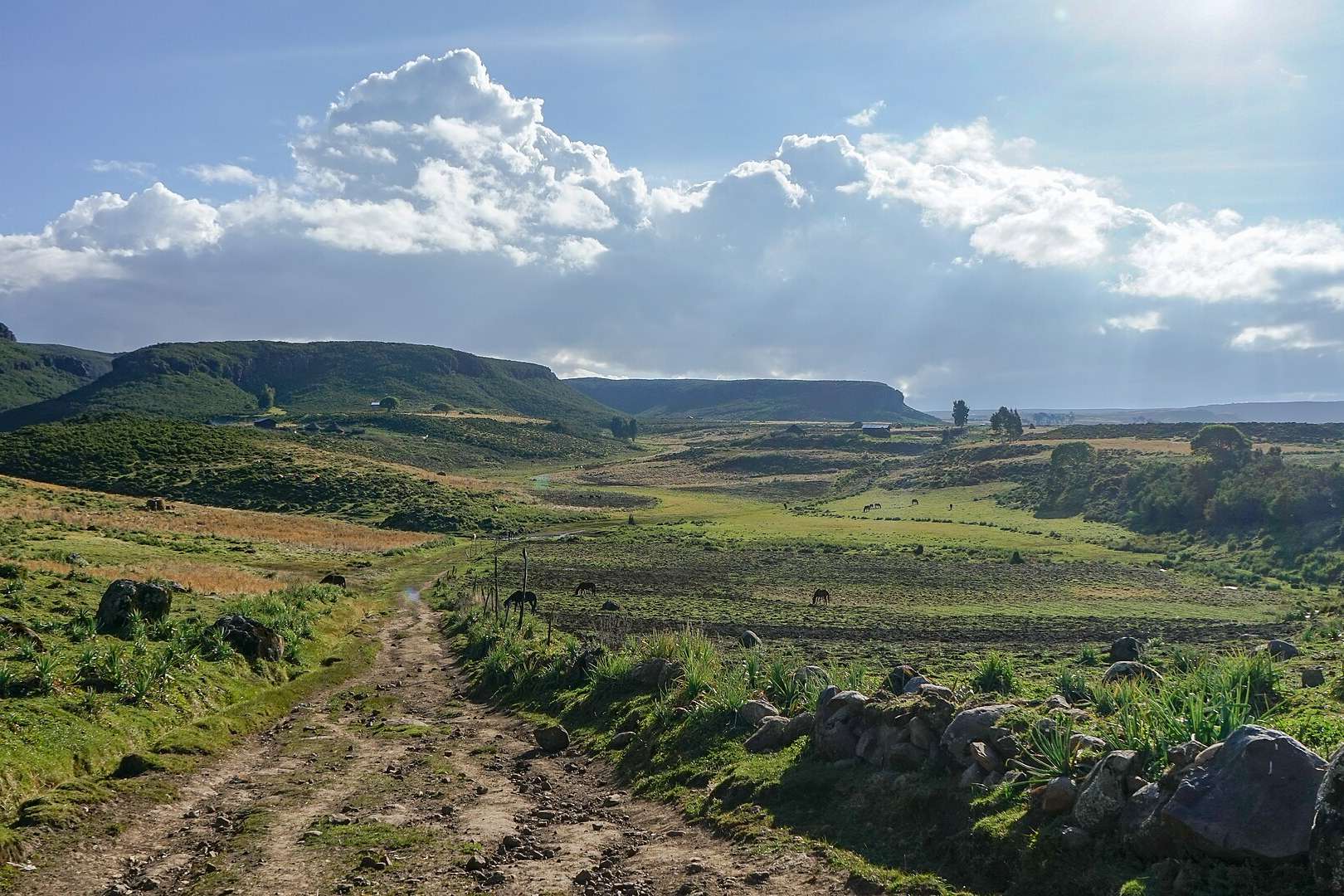
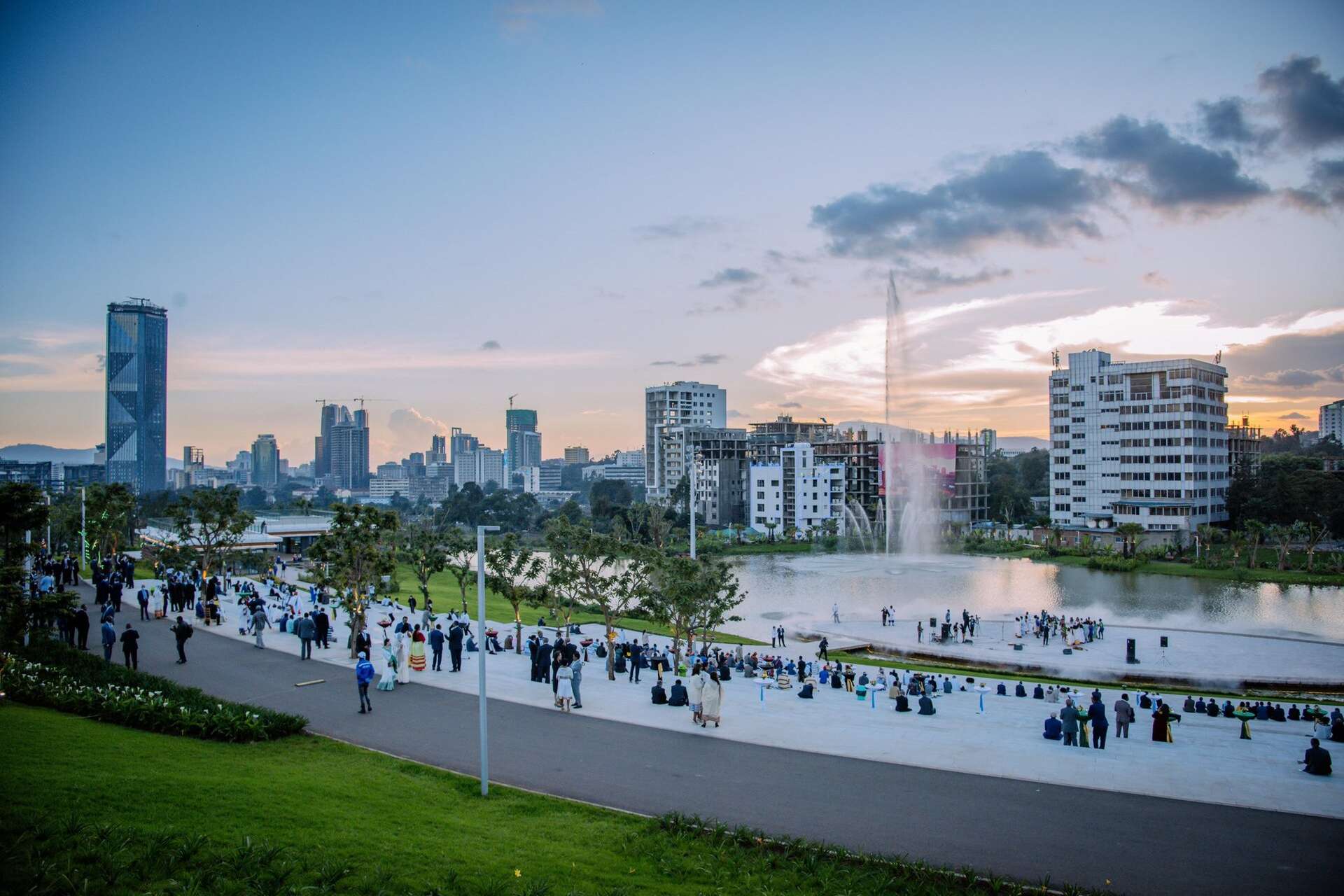
Yes. Ethiopia has 12 UNESCO World Heritage sites, a Christian tradition going back to the fourth century, coffee in the country where it was first drunk, a cuisine found nowhere else, and highland and Rift Valley scenery with wildlife such as the Ethiopian wolf. Right now the trips that work are Addis Ababa, Bishoftu's crater lakes, the Rift Valley lakes, Hawassa, the Bale Mountains and Arba Minch. A week covers Addis and the lakes; ten days to two weeks lets you add Bale or Arba Minch.
Updated Oct 2026 · 8 min
 What to expect
Does Ethiopia shut down the internet? How to stay connected as a traveller
Sometimes, usually in specific regions rather than nationwide. The latest disruption was in Tigray, confirmed on 25 September 2026 as fighting resumed there; one local outlet reported phone and internet back in Mekelle on 4 October, but much of Tigray was still described as disrupted, and Addis Ababa was not reported cut off (as of 10 October). Past examples include Tigray during the 2020–2022 war, mobile internet in most Amhara cities from August 2023 to July 2024, and a nationwide block on major social media platforms from February to July 2023. Cuts can come without notice, so keep tickets, bookings and maps saved offline.
Updated Oct 2026 · 7 min
 What to expect
How do domestic flights in Ethiopia work?
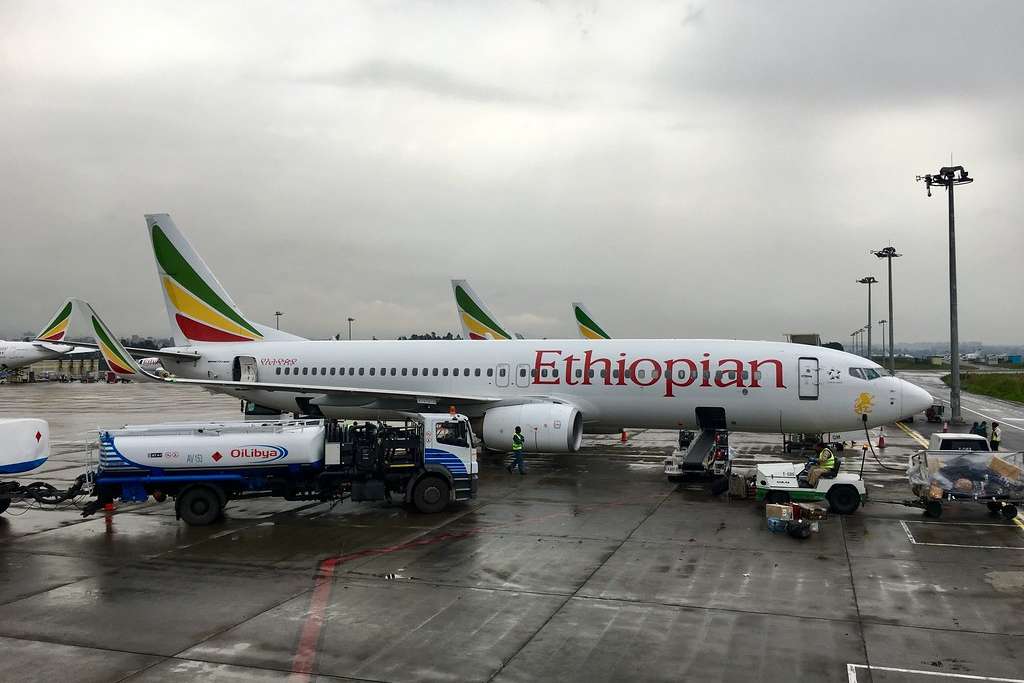
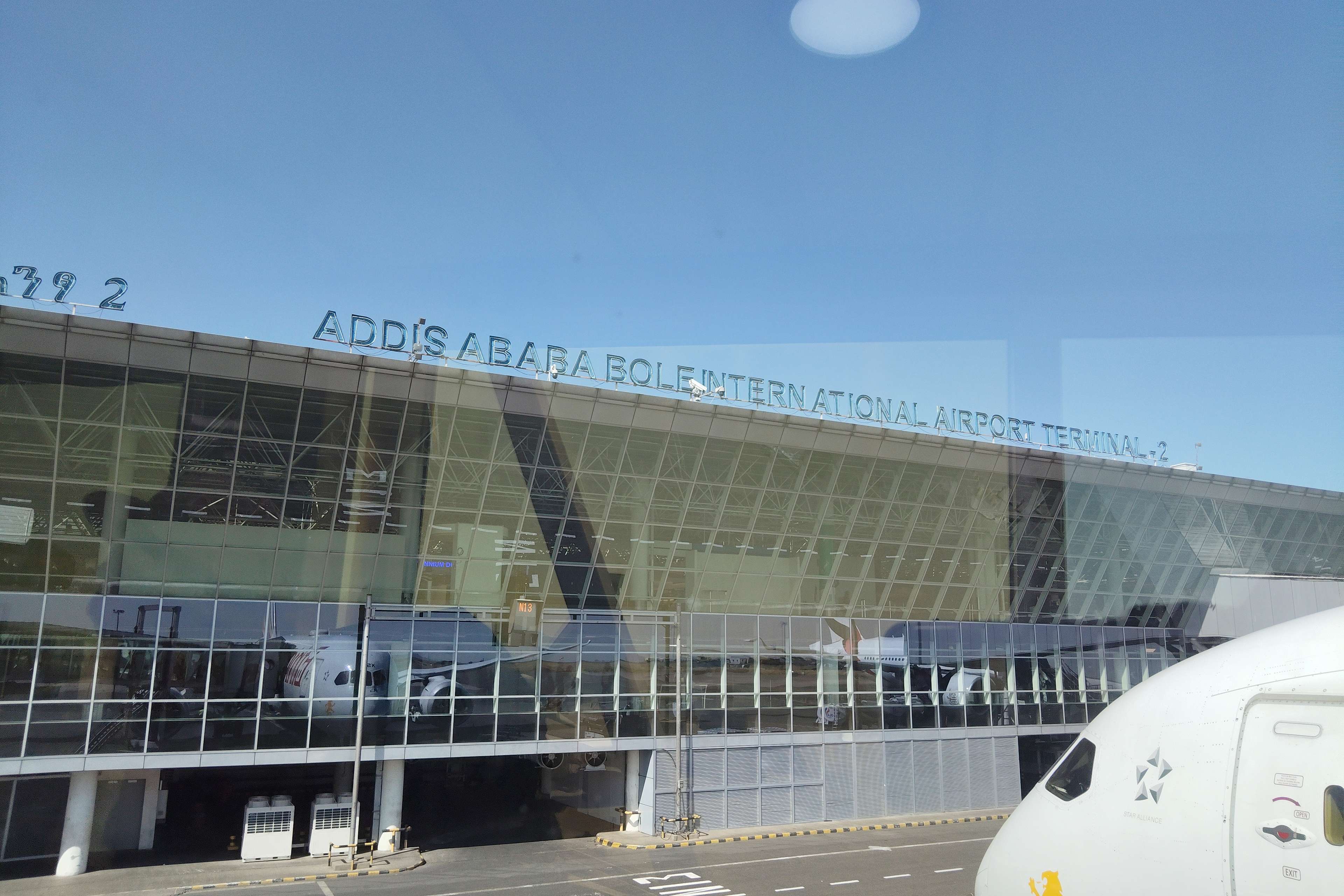
Ethiopian Airlines runs Ethiopia's scheduled domestic flights, from Terminal 1 at Addis Ababa Bole airport to about two dozen towns, including Dire Dawa, Hawassa and Arba Minch. Arrive at least an hour before a domestic departure, and keep economy cabin bags to 7 kg. As of 10 October 2026, flights to Axum, Shire and Lalibela in the north are suspended, and Ethiopian Airlines says Mekelle flights restart on 11 October.
Updated Oct 2026 · 7 min
 What to expect
Entoto Park, Addis Ababa: what can you do there and how do you get there?
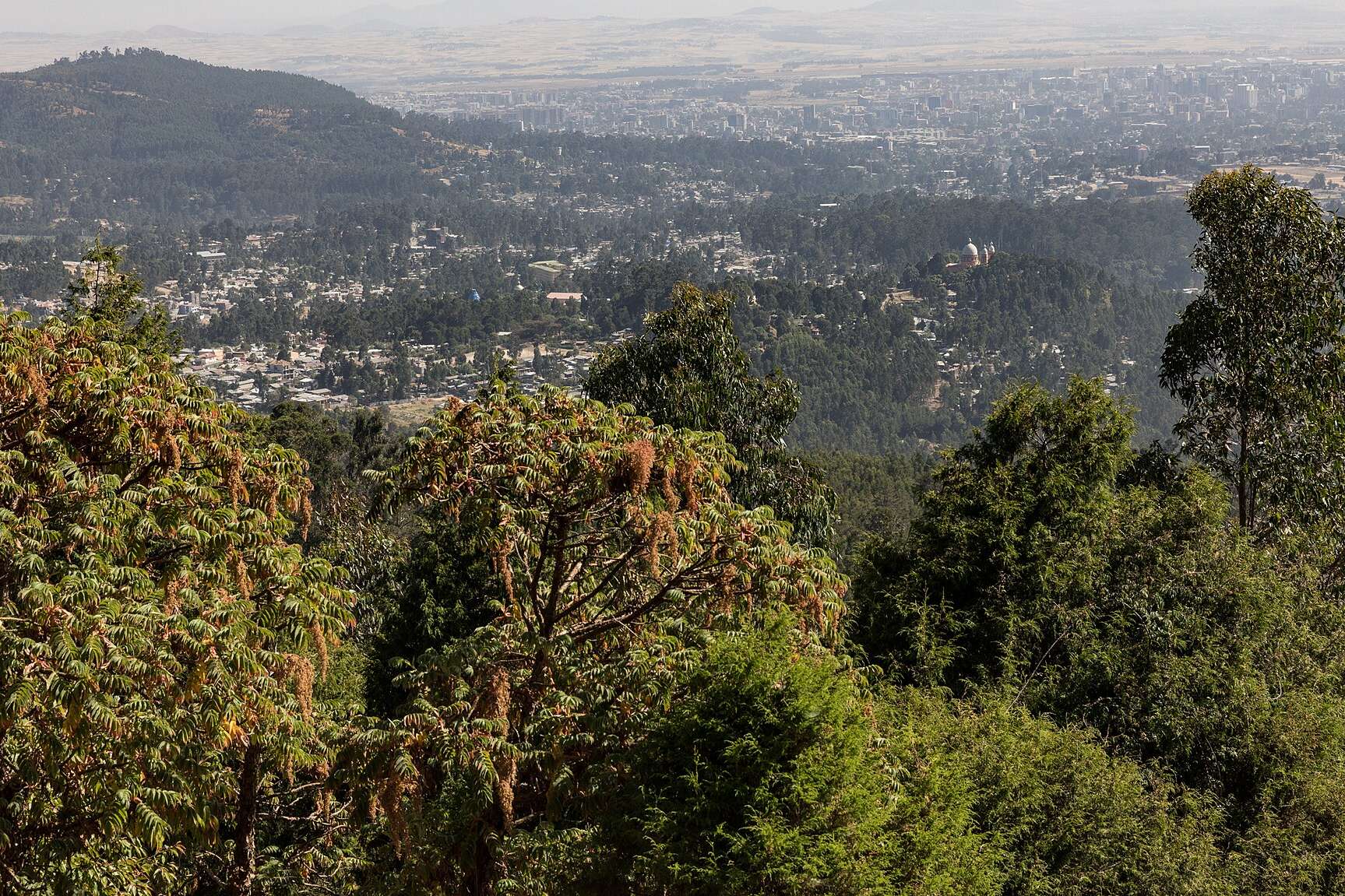
Entoto Park (Entoto Natural Park) is a large forested park on Mount Entoto, on the northern edge of Addis Ababa, opened on 10 October 2020. You can walk forest trails, enjoy views over the city and pay separately for activities such as horse riding, archery, a zipline and rope courses. Entoto Maryam Church, where Menelik II was crowned in 1889, is nearby. Most visitors go by car and spend two to four hours; bring ID, some cash and a warm layer, and visit in daylight with company.
Updated Oct 2026 · 8 min
 What to expect
Is there Uber in Ethiopia? The apps that work in Addis Ababa (2026)
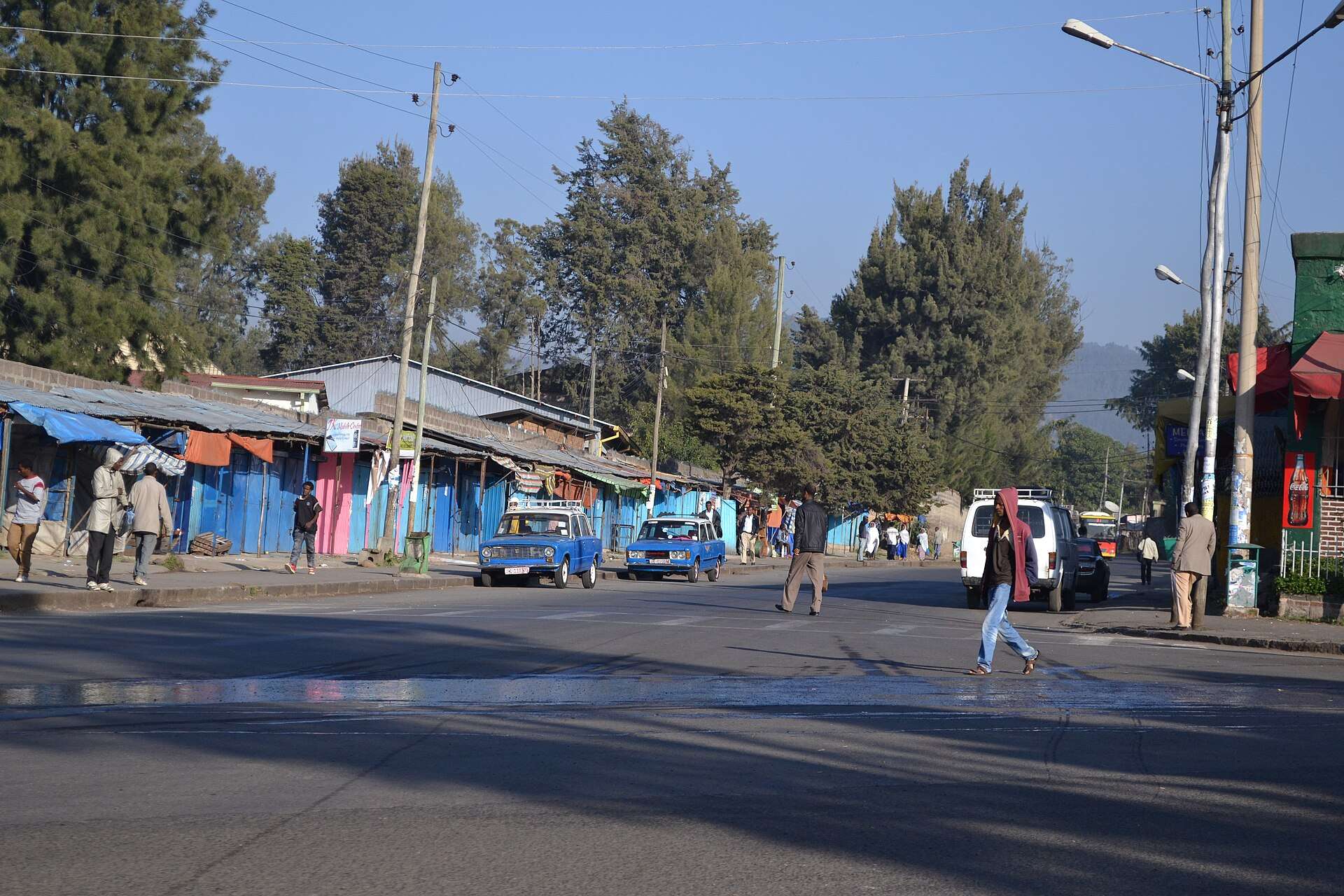
No. As of October 2026, neither Uber nor Bolt operates in Ethiopia. In Addis Ababa, use local apps instead: RIDE (phone booking 8294), Feres (6090) or Yango. You'll need mobile data, ideally a local SIM so drivers can call you, and small birr notes, as cash is the safest fallback. For night arrivals, full days and trips out of the city, a pre-booked driver is usually easier.
Updated Oct 2026 · 7 min
 What to expect
Is Ethiopia a good place to travel with kids?
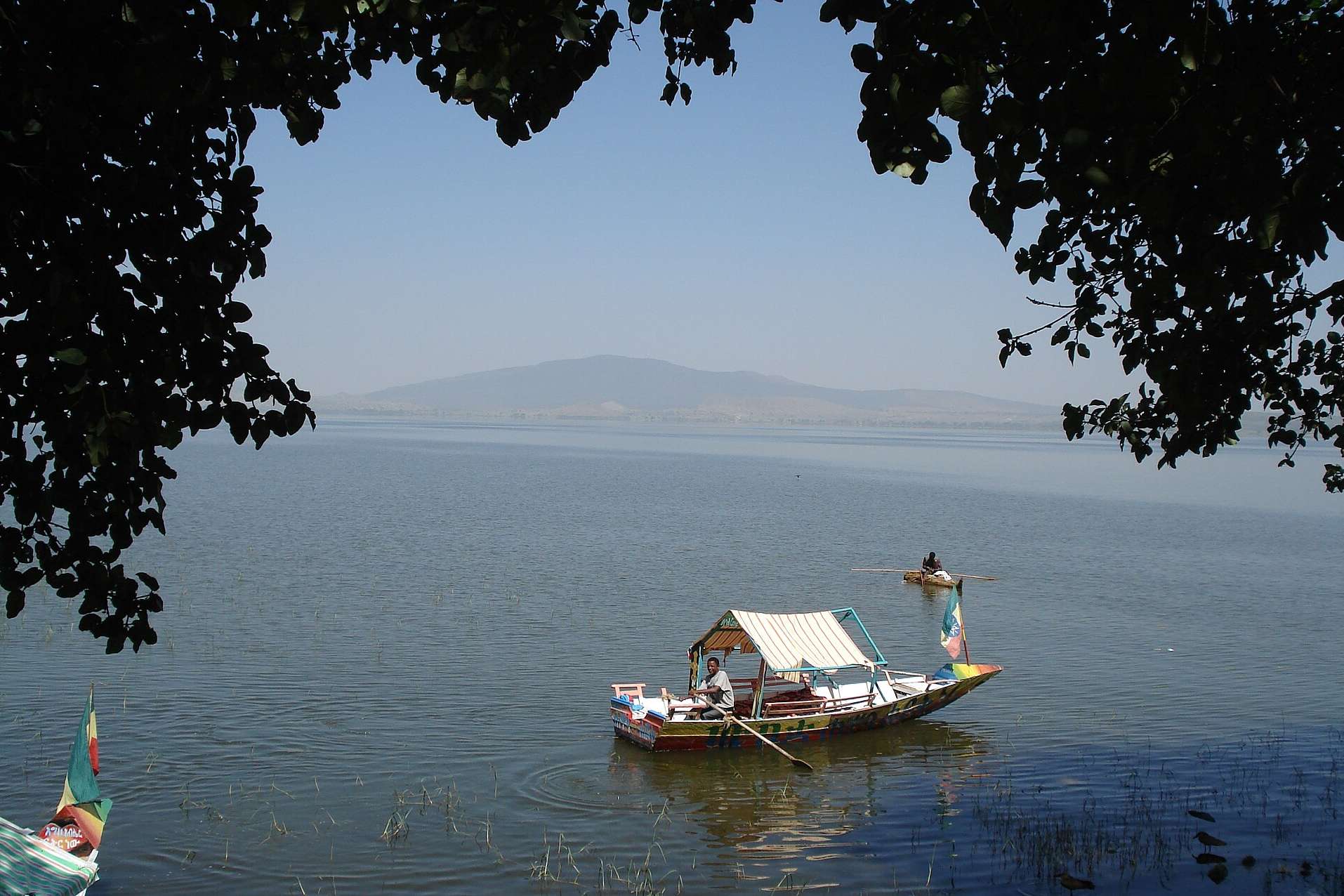
Yes, Ethiopia can be a rewarding family trip if you keep it to Addis Ababa and the lakes to the south and plan for health and long drives. Children tend to enjoy Unity Park's zoo and the Science Museum in Addis, the crater lakes and water park at Bishoftu, and the monkeys, hippos and fish market at Hawassa. See a travel clinic early: yellow fever vaccine is recommended from 9 months, and malaria tablets are advised for areas below 2,500 m.
Updated Oct 2026 · 5 min
 What to expect
What is habesha kemis, and where can you buy one in Addis Ababa?
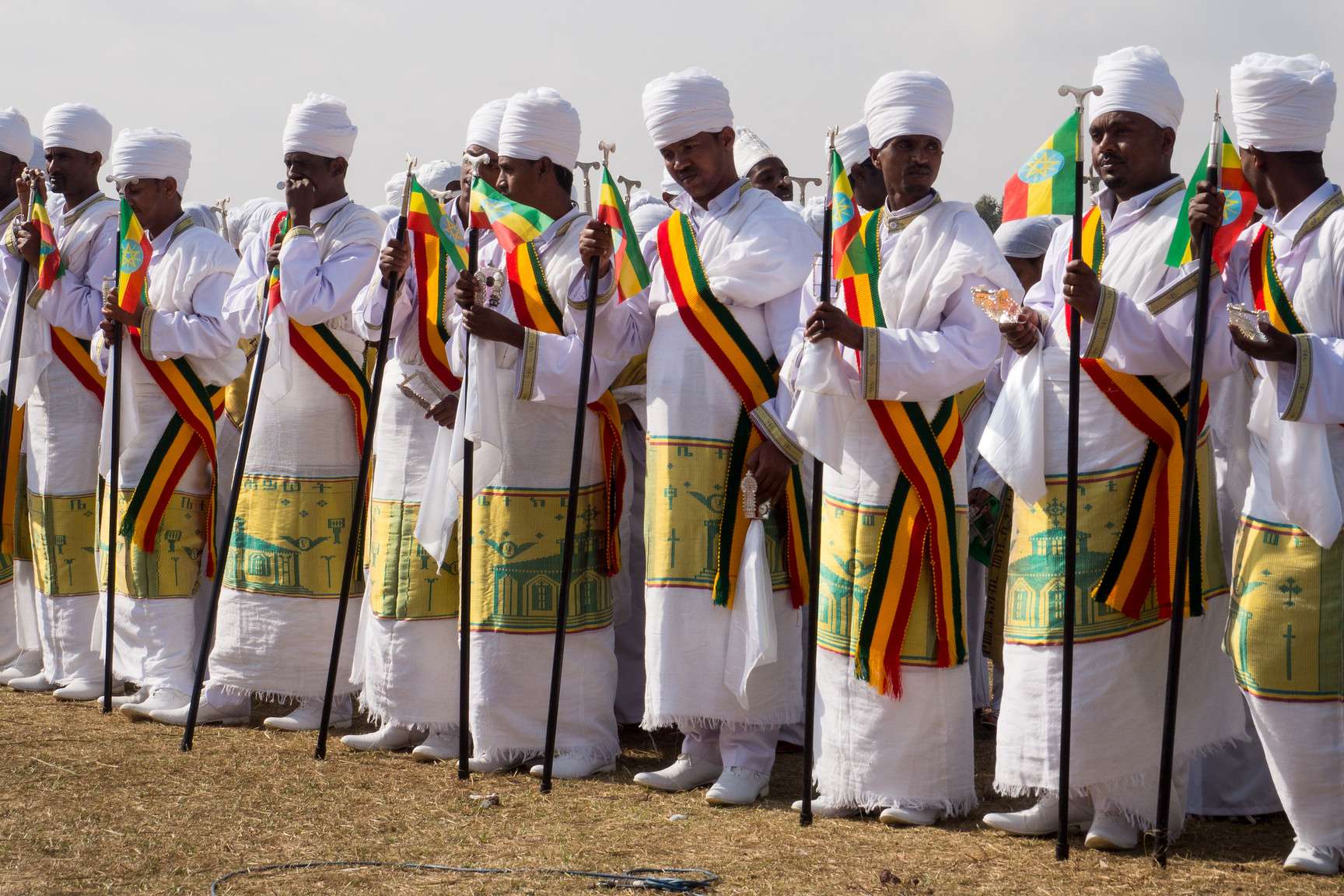
Habesha kemis is the traditional Ethiopian women's dress: a long, usually white dress of handwoven cotton (shemma) with a colourful woven border called tibeb along the hem, cuffs and neckline, normally worn with a light shawl called a netela. It is worn for church, weddings and holidays such as Timkat, Genna and Fasika. In Addis Ababa the main place to buy one is Shiro Meda market at the foot of the Entoto hills, where hundreds of stalls sell dresses, shawls and gabi blankets and bargaining is expected.
Updated Oct 2026 · 7 min
 What to expect
What language do Ethiopians speak?
Ethiopia has around 90 living languages. Amharic is the national lingua franca and the language you will hear most in Addis Ababa, while Afaan Oromo has the most native speakers (about a third of the population in the 2007 census). Tigrinya, Somali and Afar are major regional languages, and since 2020 all four sit alongside Amharic as federal working languages. English is the main foreign language, taught in schools and used in hotels, airlines and business.
Updated Oct 2026 · 7 min
 What to expect
Is Ethiopia a Christian or Muslim country?
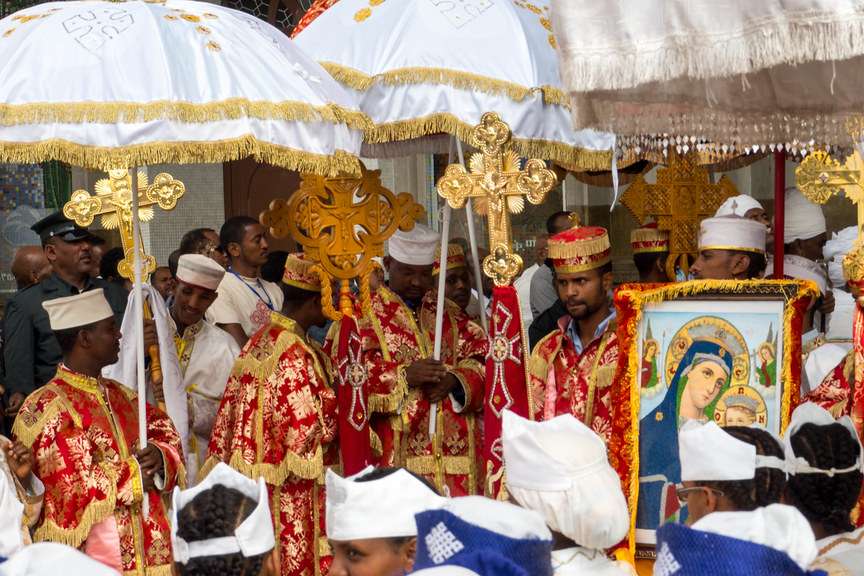
Officially neither: Ethiopia's constitution makes it a secular state with freedom of religion. In practice it is a Christian-majority country with a large Muslim population. At the last census, in 2007, about 44% of people were Ethiopian Orthodox Christians, 34% Muslim and 19% Protestant, and many observers think the Muslim and Protestant shares have grown since. Both Christian and Muslim holidays are public holidays.
Updated Oct 2026 · 6 min
 What to expect
Can you visit coffee farms in Ethiopia?
Yes. The easiest coffee country to visit right now is Sidama, south of Hawassa, where lodges and local guides take visitors to smallholder farms, coffee forests and, in harvest season, drying beds and washing stations. Harvest runs roughly October to January or February. Yirgacheffe (Gedeo zone), Guji and the Jimma–Kaffa forests are famous too, but parts of them, or the roads to them, are currently under do-not-travel advice, so Sidama is the practical choice for now.
Updated Oct 2026 · 5 min
 What to expect
Addis Ababa nightlife: where should you go out?
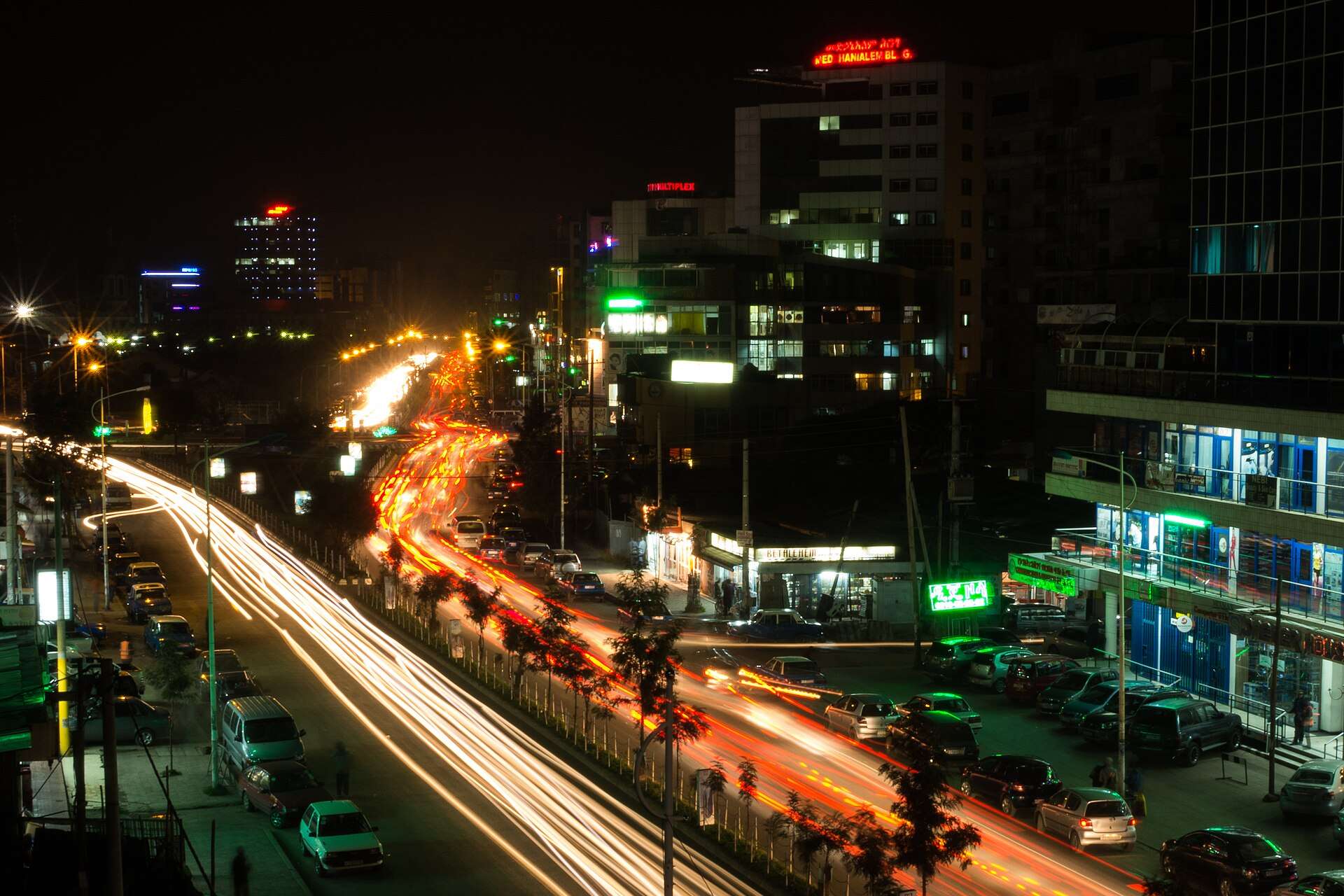
For a night out in Addis Ababa, go for live music at Fendika, now performing at the Hyatt Regency hotel, or Ethio-jazz at the African Jazz Village in the Ghion Hotel; a traditional dinner-and-dance show at a cultural restaurant such as Yod Abyssinia in Bole; or the lounges and clubs around Bole, which fill up late, especially at weekends. The scene has shifted from small azmari bars towards DJs and newer music spaces. Petty theft rises after dark, so go door to door by car rather than walking.
Updated Oct 2026 · 6 min
 What to expect
Can tourists use Telebirr or M-Pesa in Ethiopia?
Possibly, but neither is designed for short visits. Telebirr (Ethio Telecom) and M-Pesa Ethiopia (Safaricom Ethiopia) are domestic wallets tied to a local SIM. A passport is among the accepted IDs for telebirr, but you load it with birr at an agent or from an Ethiopian bank account, not from a foreign card. A Kenyan M-Pesa account can send money to an Ethiopian M-Pesa wallet (since October 2024) but can't pay Ethiopian shops, so for most tourists cash plus a card for big hotels is simpler.
Updated Sept 2026 · 7 min
 What to expect
Cash, cards and ATMs in Ethiopia: how should you pay as a tourist?
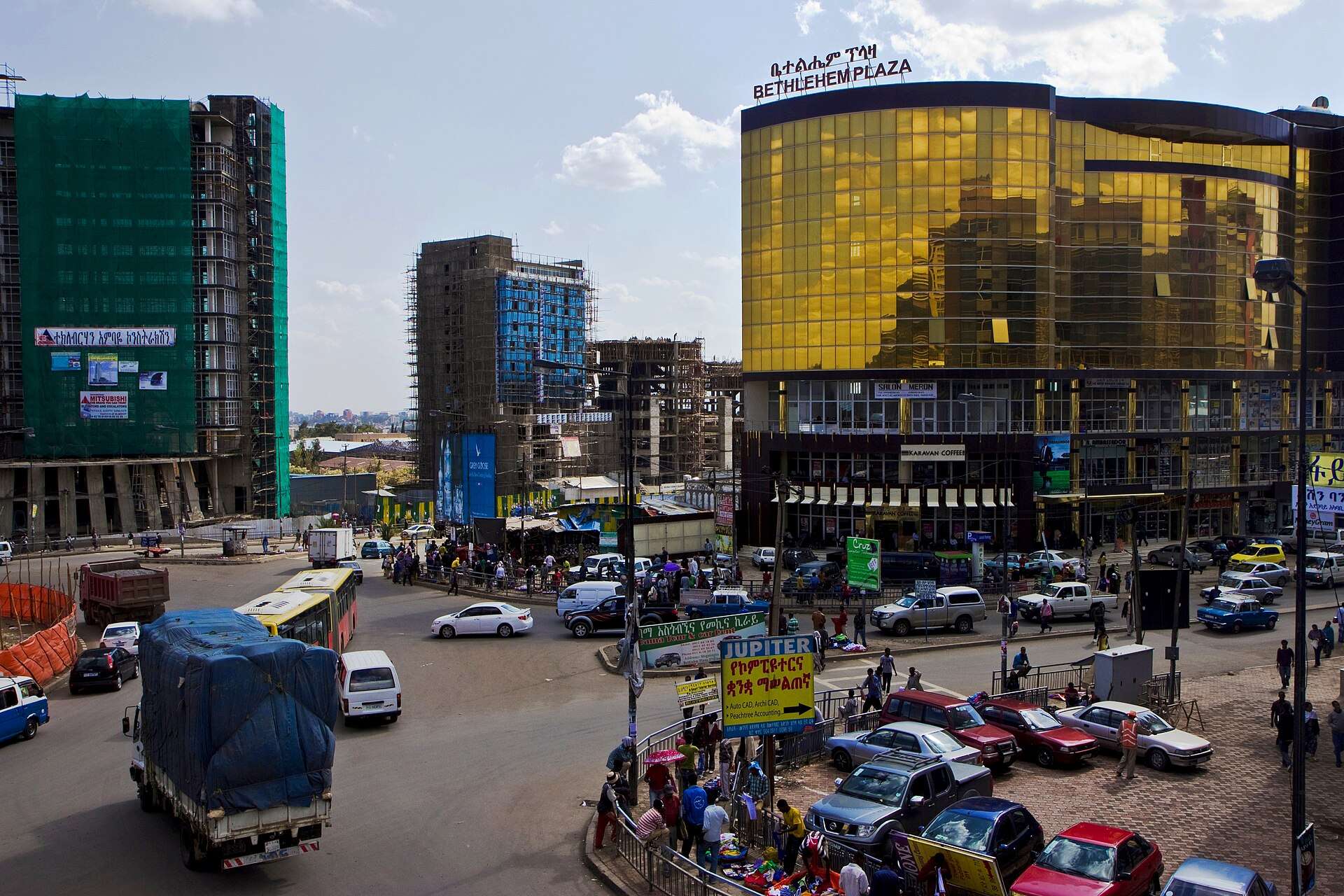
Ethiopia runs mostly on cash in Ethiopian birr (ETB). Since the birr was floated on 29 July 2024, banks and licensed forex bureaus set their own rates, which move often and differ between banks, so check the National Bank of Ethiopia's indicative rate and your bank's board. Visa cards work in many ATMs in Addis Ababa and at larger hotels, but card acceptance is limited, especially outside cities. You may carry no more than 3,000 birr into or out of the country.
Updated Sept 2026 · 6 min
 What to expect
When is Timkat and where can you see it?
Timkat, the Ethiopian Orthodox celebration of Christ's baptism (Epiphany), falls on 19 January in most years and 20 January in Gregorian leap years. In 2027 the eve, Ketera, is Monday 18 January, Timkat is Tuesday 19 January, and St Michael's churches hold their processions on 20 January. The easiest big celebration for visitors to reach right now is at Jan Meda in Addis Ababa. Gondar and Lalibela are famous for Timkat but are in Amhara, where travel isn't advised as of late September 2026.
Updated Sept 2026 · 6 min
 What to expect
What is Meskel and when is it? Ethiopia's Demera bonfire festival explained
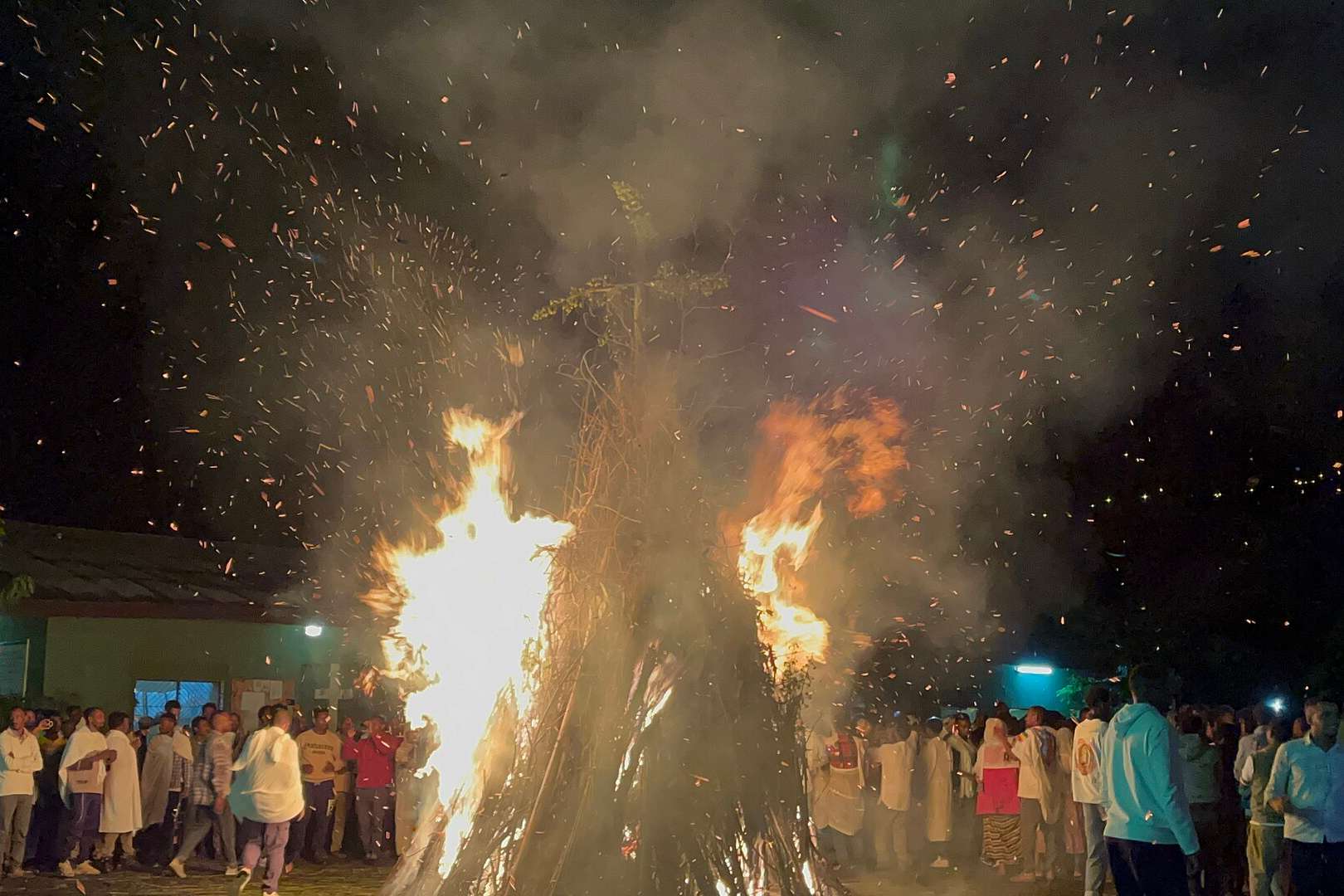
Meskel is the Ethiopian Orthodox feast of the Finding of the True Cross, held on 17 Meskerem in the Ethiopian calendar: 27 September in most years, and 28 September in the year before a Gregorian leap year. Its highlight is the Demera, a huge bonfire lit at dusk on the eve in Meskel Square, Addis Ababa. In 2026 the Demera was lit on 26 September and Meskel fell on 27 September; in 2027 Meskel is on Tuesday 28 September, with the Demera on the evening of Monday 27 September. Meskel has been on UNESCO's intangible heritage list since 2013.
Updated Sept 2026 · 6 min
 What to expect
Can foreigners drive in Ethiopia? Licences and road rules
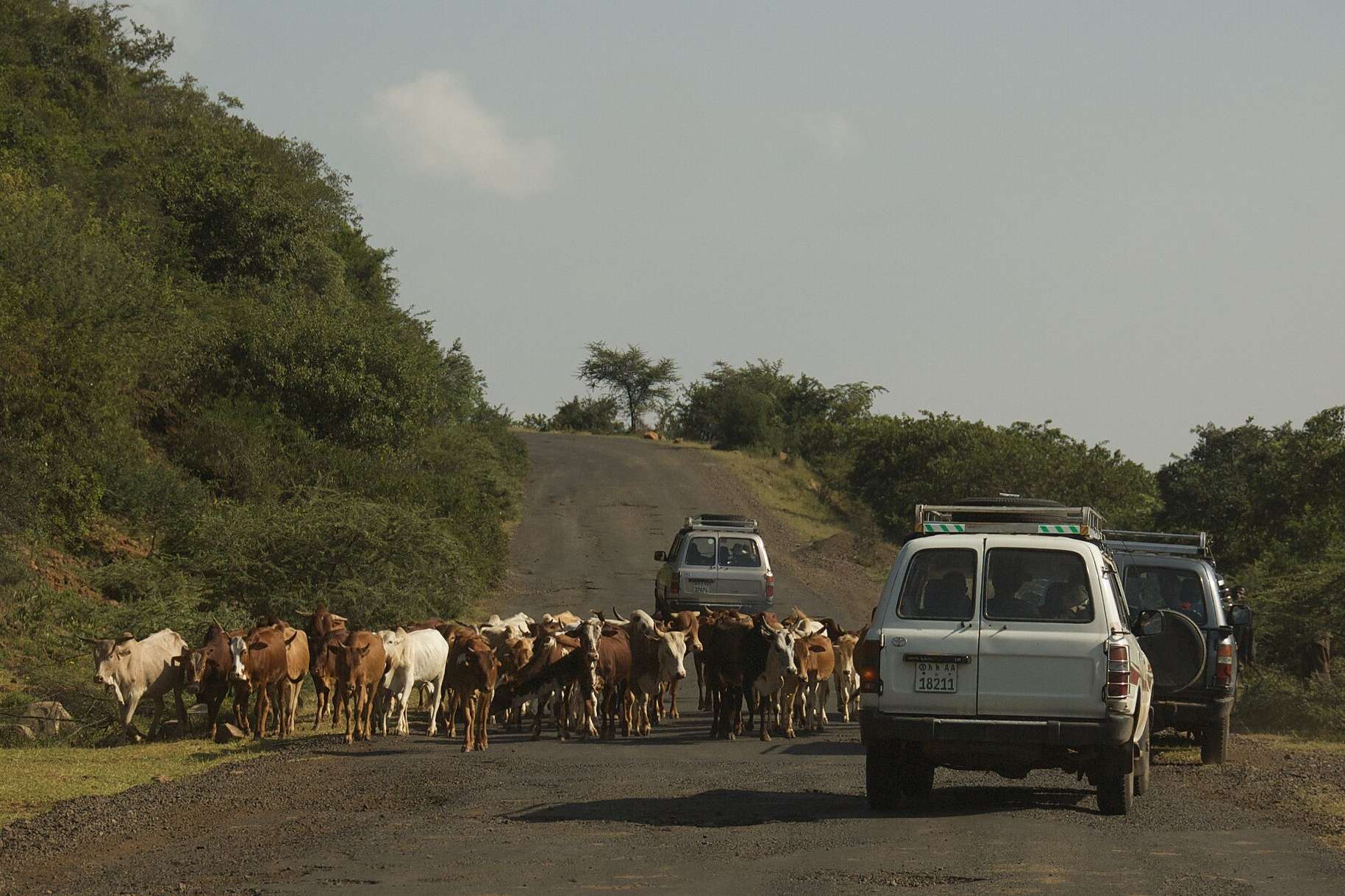
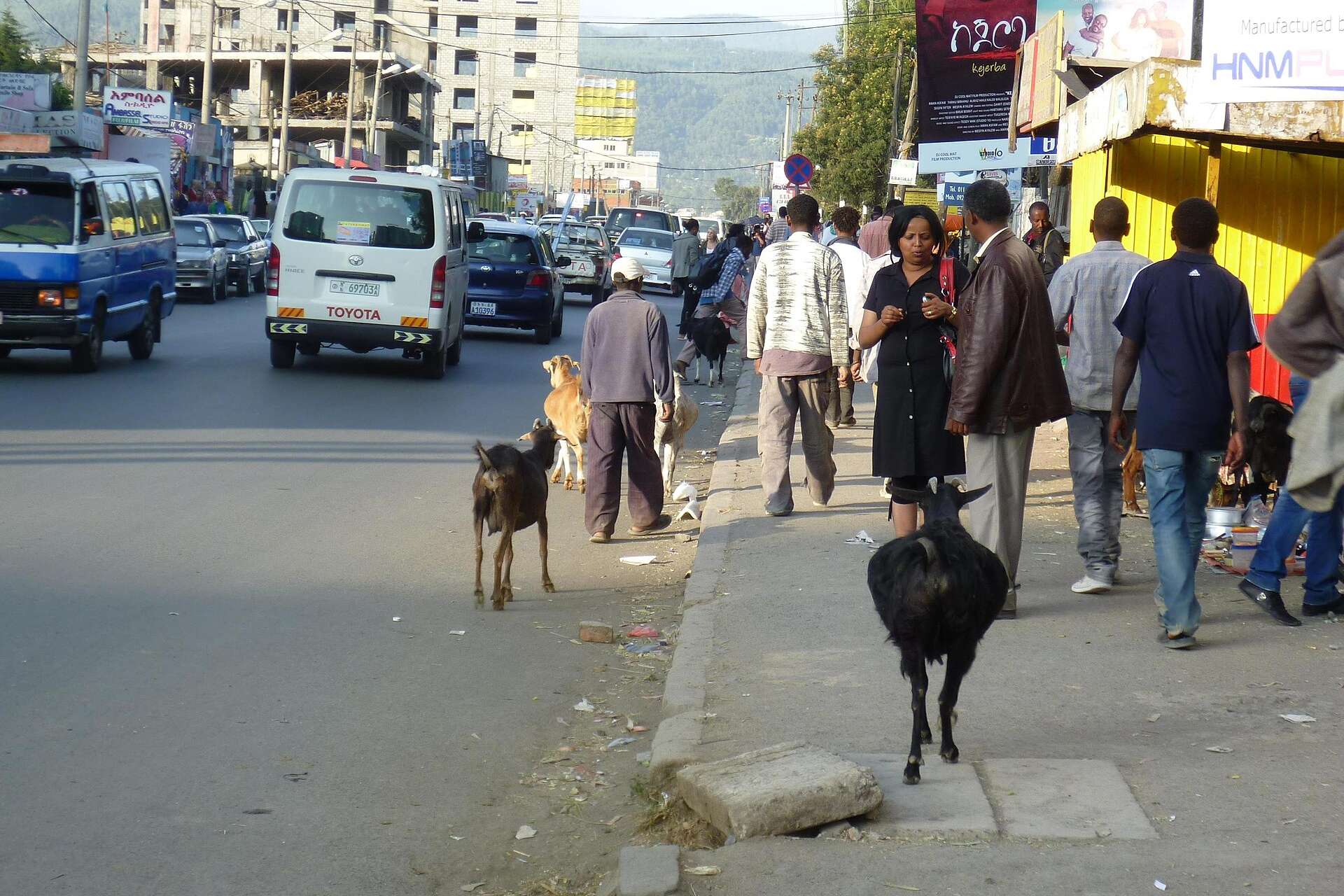
Sometimes, for a short stay, but the licence rules are unclear: depending on your nationality, a foreign licence may be accepted for as little as two weeks, a licence plus an International Driving Permit for longer, or you may need an Ethiopian licence. Ethiopia drives on the right. Roads are shared with pedestrians and livestock, rural roads are often unlit, and it's best to travel outside cities in daylight, so most short-term visitors hire a car with a local driver instead.
Updated Sept 2026 · 7 min
 What to expect
Does the altitude in Addis Ababa affect you?
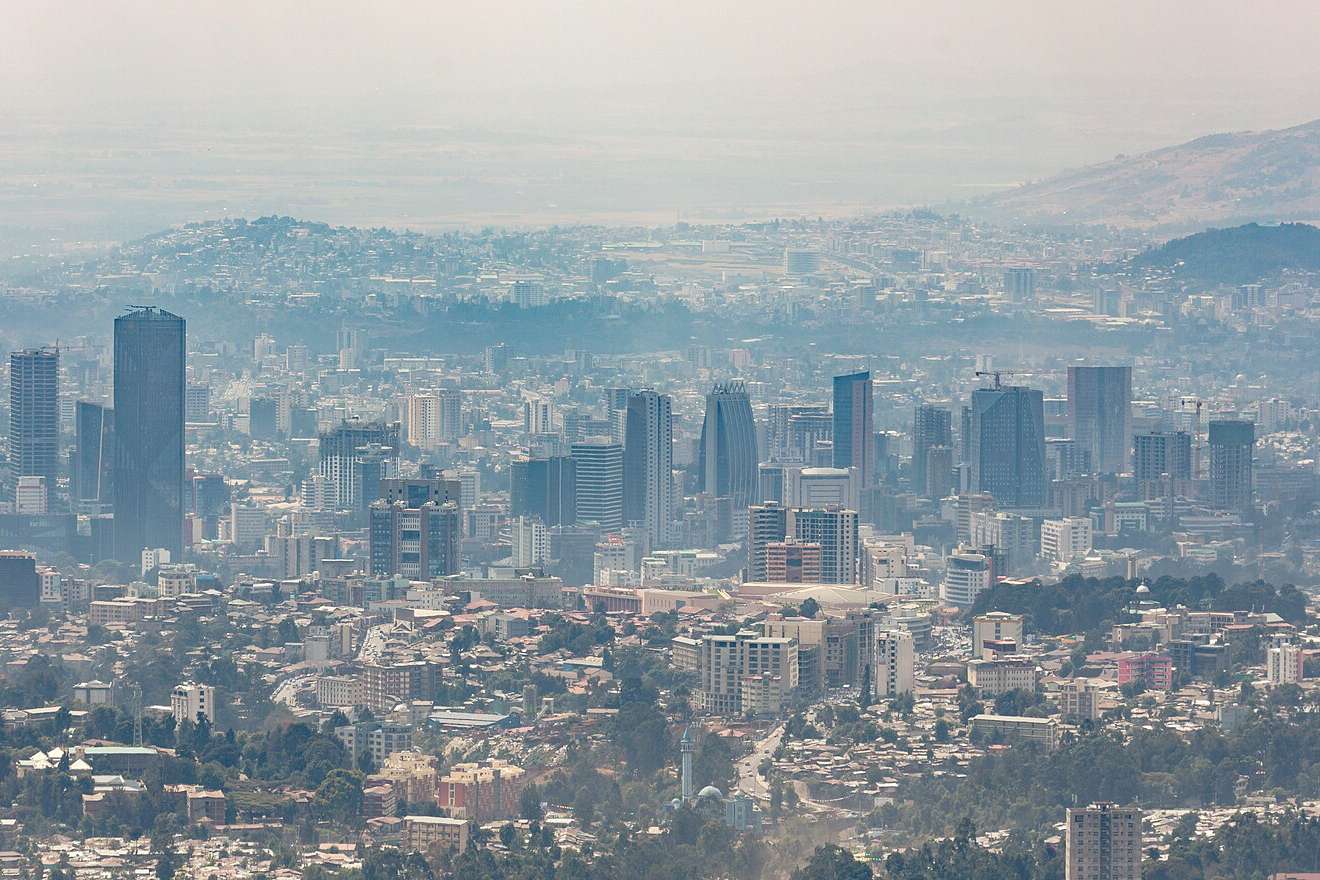
It can. Addis Ababa sits at about 2,355 m (7,726 ft), making it Africa's highest capital, and Bole airport is near the city's lowest point at about 2,330 m, so you arrive at altitude. That is just below the 2,500 m level where altitude sickness usually starts, but susceptible people can be affected lower down. Some visitors notice breathlessness on stairs, a mild headache or poor sleep for the first day or two. Take it easy at first, go light on alcohol and exercise, and talk to a doctor before you go if you have heart or lung disease, diabetes or sickle cell disease, or are pregnant.
Updated Sept 2026 · 6 min
 What to expect
Ethiopian Christmas (Genna): when is it and how is it celebrated?
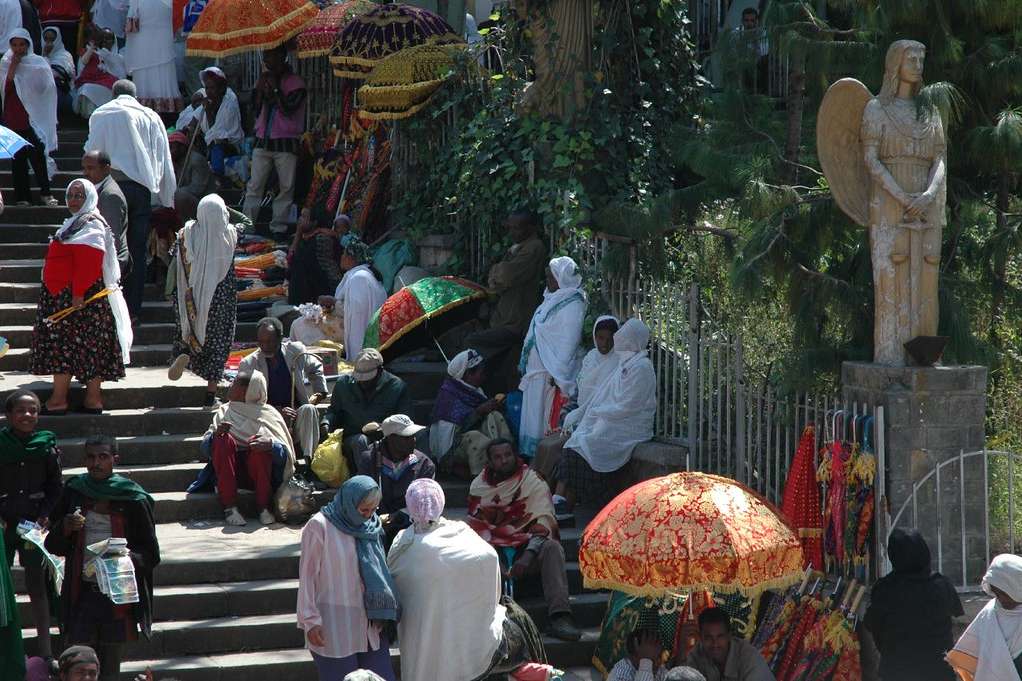
Ethiopian Christmas, called Genna, is celebrated on 7 January (29 Tahsas in the Ethiopian calendar), the same day as other Orthodox churches that follow the Julian reckoning. The next Genna is Thursday 7 January 2027. For many Orthodox Christians it ends a roughly six-week fast, starts with an all-night church service on Christmas Eve and continues with a family feast of doro wat and injera. Lalibela, the famous Genna pilgrimage, is in Amhara, where travel isn't advised as of September 2026.
Updated Sept 2026 · 6 min
 What to expect
Holy Trinity Cathedral, Addis Ababa: what should you know before you visit?
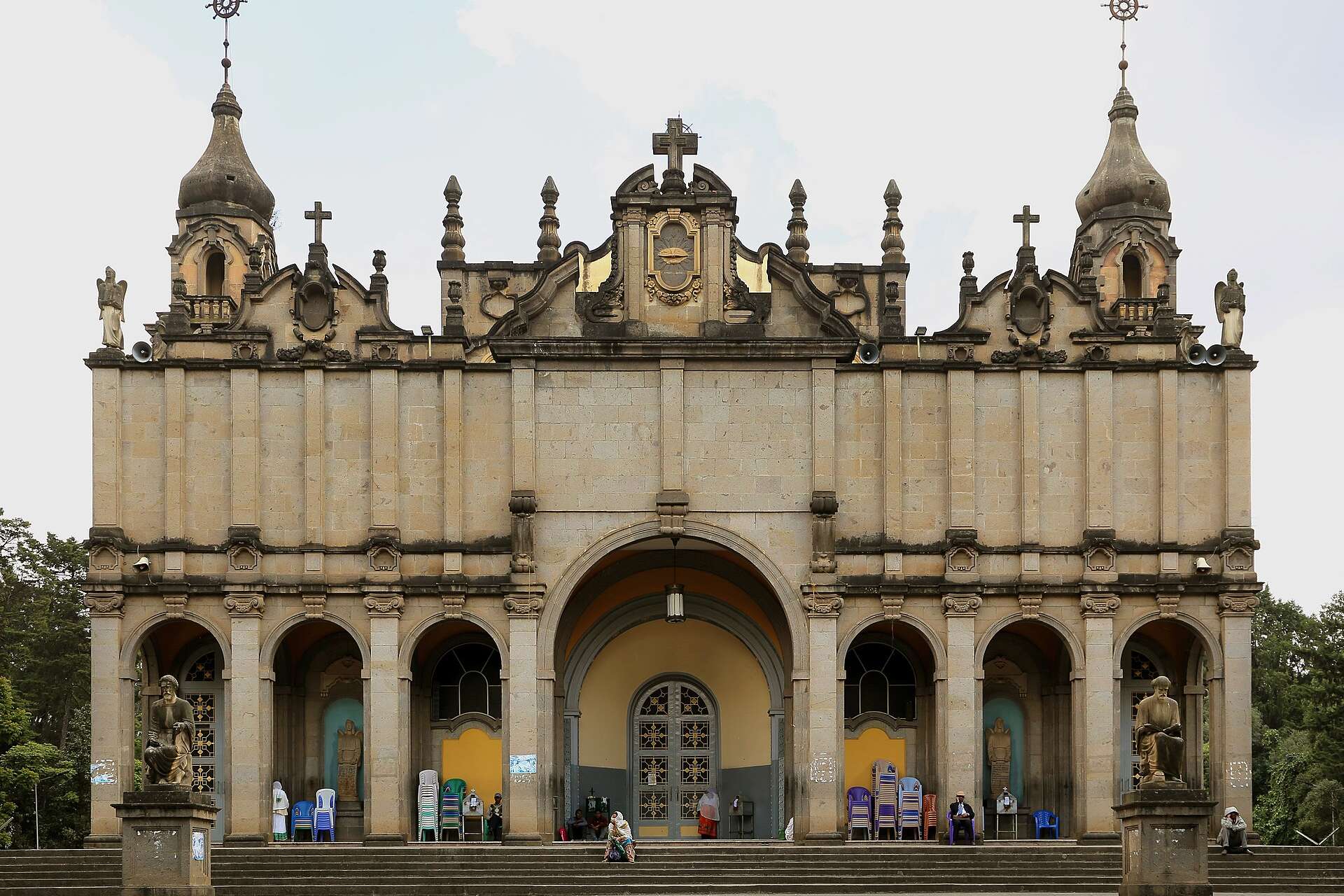
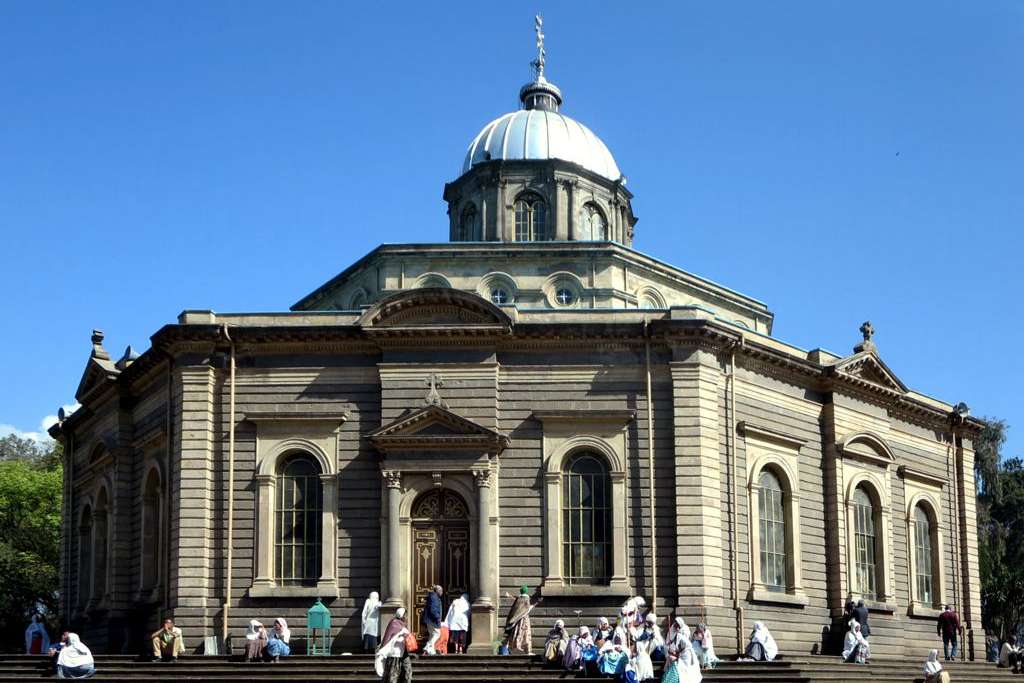
Holy Trinity Cathedral (Kidist Selassie), near Arat Kilo in Addis Ababa, is where Emperor Haile Selassie and Empress Menen lie in granite tombs, and Sylvia Pankhurst and Meles Zenawi are among those buried in the grounds. It is widely ranked as Ethiopia's second most important place of worship, after St Mary of Zion in Aksum. Foreign visitors pay an entry fee at the office by the gate (check the amount there), dress modestly, remove their shoes inside and should allow one to two hours.
Updated Sept 2026 · 6 min
 What to expect
How does Ethiopian time work? The 12-hour clock that starts at dawn
Ethiopia's official time zone is East Africa Time (UTC+3, no daylight saving), but in everyday speech many Ethiopians count the hours from dawn, not midnight. So 7am international time is "1 o'clock in the morning" in Ethiopian time, noon is 6, and 6pm is 12. To convert, add or subtract six hours, and always ask whether a time is Ethiopian or international.
Updated Sept 2026 · 6 min
 What to expect
How can you see Lucy at the National Museum of Ethiopia?
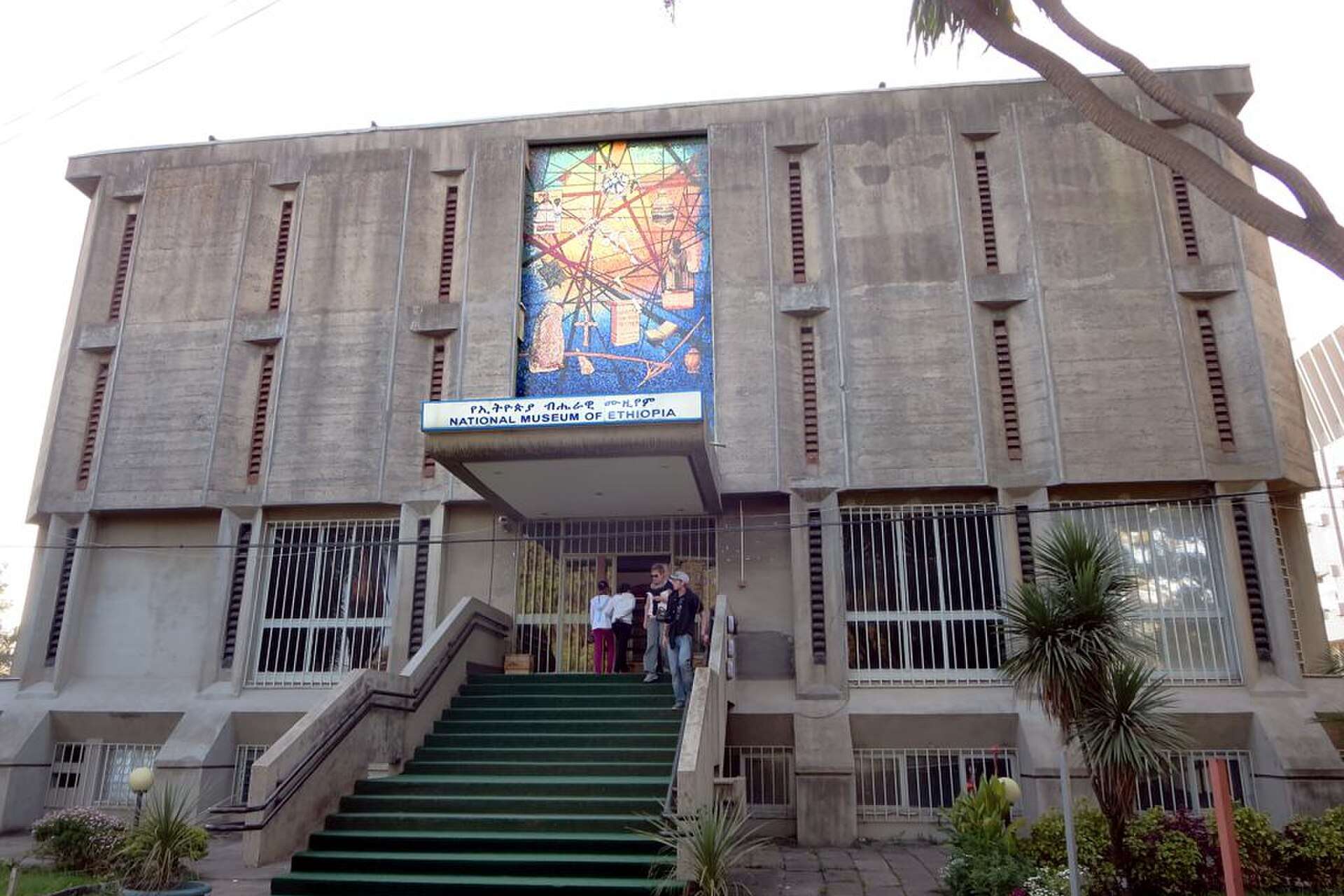
Lucy, the roughly 3.2-million-year-old Australopithecus afarensis skeleton found at Hadar in 1974, belongs to the National Museum of Ethiopia in the Arat Kilo area of Addis Ababa. She is shown in the basement fossil gallery, but what visitors see is a high-quality replica; the original bones are kept in secure storage. The museum reopened on 23 May 2025 after a renovation, and it is generally open daily from roughly 8:30am to 5:30pm, closing on major Orthodox holidays. Allow about two hours.
Updated Sept 2026 · 5 min
 What to expect
How do you visit Merkato, Addis Ababa's huge open-air market, safely?
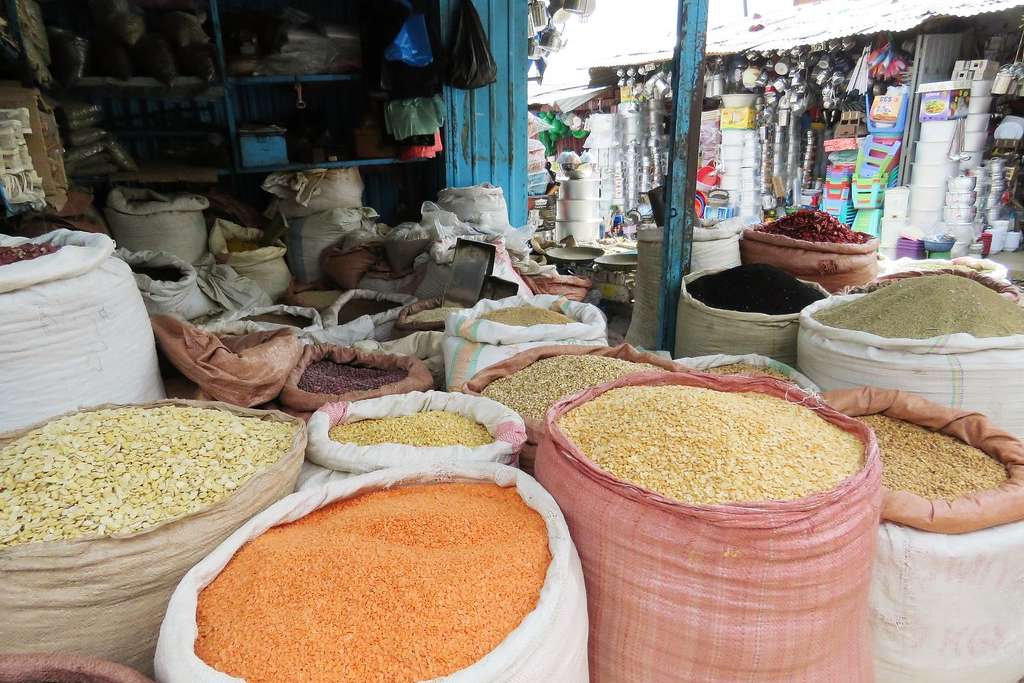
Merkato is a huge open-air market district in Addis Ababa's Addis Ketema area, with around 7,100 businesses selling everything from spices and coffee to baskets and recycled metalwork. Visit on a weekday morning (Monday to Saturday), allow one to three hours, carry only a phone, a copy of your passport and small birr notes, keep your bag in front, and agree your drop-off and pickup points before you walk in.
Updated Sept 2026 · 7 min
 What to expect
Is Unity Park in Addis Ababa worth visiting?
Yes, for most visitors. Unity Park opened on 10 October 2019 inside the Grand Palace compound founded by Menelik II, and combines historic palace halls, two zoos (including Ethiopian black-maned lions), gardens and regional pavilions. It is closed on Mondays and sells tickets Tuesday to Sunday from about 9am to 4pm; as of September 2026 foreigner tickets cost USD 20 (regular) and USD 50 (special, with a guide and Menelik's palace rooms), and most people spend two to four hours.
Updated Sept 2026 · 8 min
 What to expect
What Ethiopian food should you try? Injera, tibs, shiro, kitfo and more
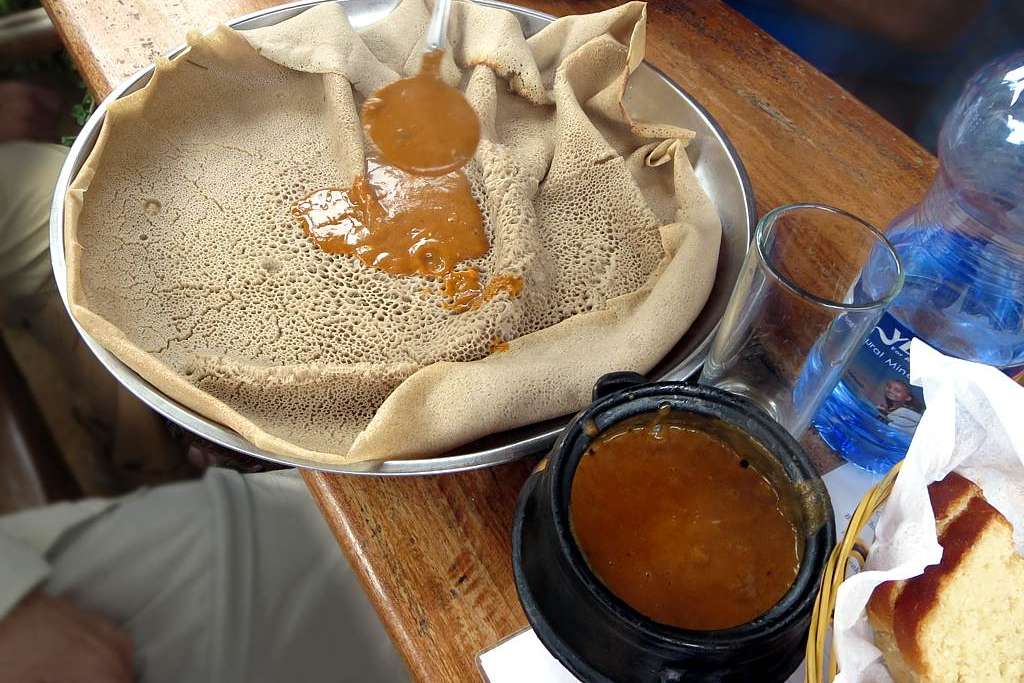
Start with injera, the spongy, slightly sour teff flatbread that doubles as plate and cutlery, topped with a beyaynetu platter of vegan stews. Then try shiro (a smooth chickpea or broad-bean stew), tibs (sautéed meat, often served sizzling), doro wat (the spicy chicken stew with egg, most common at holidays) and, if you are adventurous, kitfo (minced raw beef, also served lightly cooked). Eat with your right hand and expect vegan dishes everywhere on Wednesdays and Fridays.
Updated Sept 2026 · 7 min
 What to expect
What is Enkutatash, the Ethiopian New Year, and when is it?
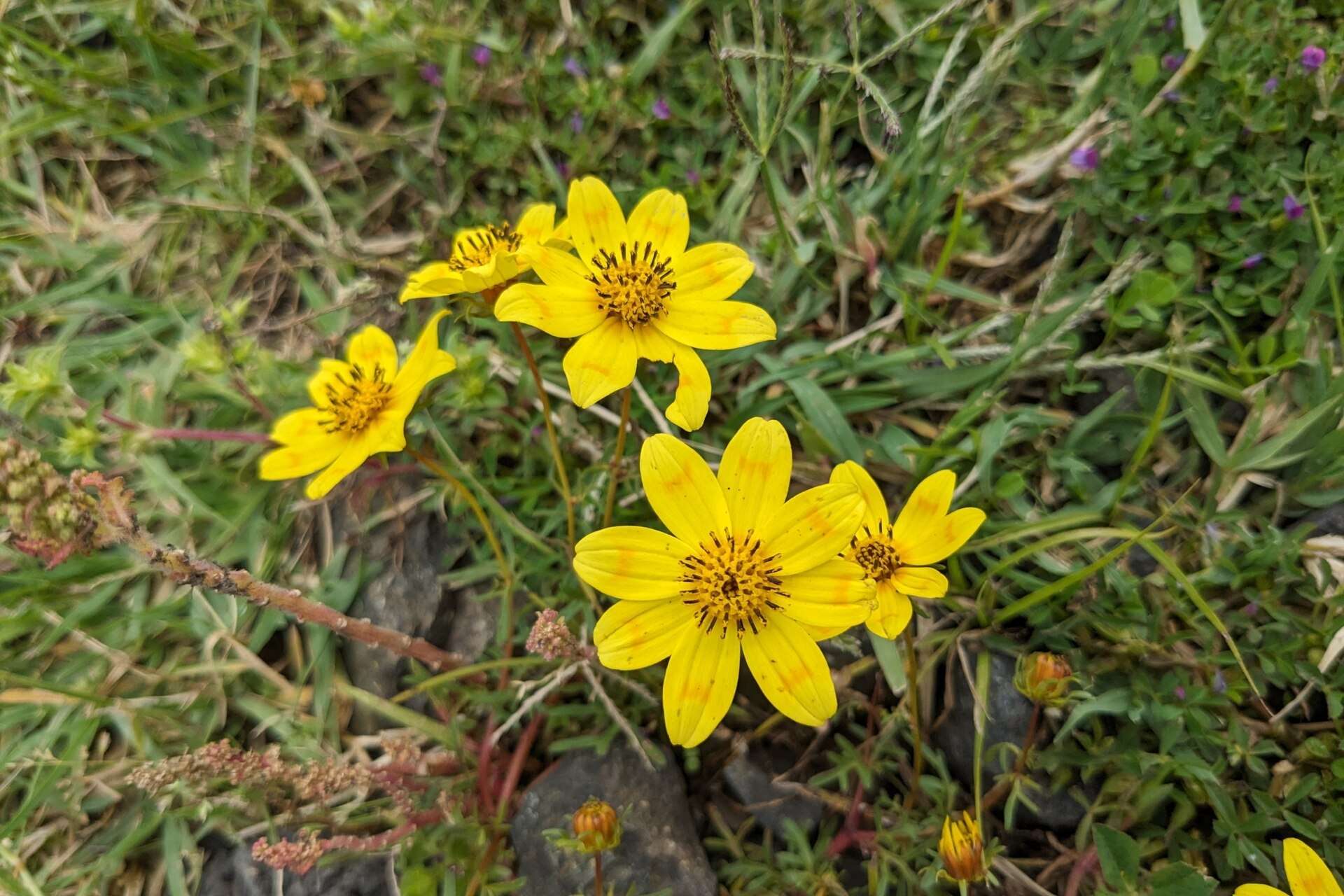
Enkutatash is the Ethiopian New Year, held on 1 Meskerem, the first day of the Ethiopian calendar. It falls on 11 September in most years and on 12 September in the Gregorian year before a leap year. Enkutatash on 11 September 2026 began the Ethiopian year 2019; the next one, on Sunday 12 September 2027, begins 2020. It marks the end of the long rains and is celebrated with church services, yellow adey abeba flowers, children's songs, torches on the eve and family feasts.
Updated Sept 2026 · 6 min
 What to expect
What is Ethiopian Orthodox fasting and how does it affect travellers?
Members of the Ethiopian Orthodox Tewahedo Church fast by giving up all animal products (meat, dairy and eggs), and devout people often skip breakfast or eat nothing until the afternoon. Most Wednesdays and Fridays are fast days, plus seven church fasting seasons; the longest is the 55-day Great Lent before Fasika (Easter), which falls on 2 May in 2027. For travellers it mostly means excellent vegan food and fewer meat dishes in traditional restaurants on fast days. Visitors are not expected to fast.
Updated Sept 2026 · 7 min
 What to expect
What is the Adwa Victory Memorial in Addis Ababa and how do you visit it?
The Adwa Victory Memorial is a large museum and memorial complex in Piassa, central Addis Ababa, honouring Ethiopia's defeat of an Italian army at the Battle of Adwa on 1 March 1896. It was inaugurated on 11 February 2024 and opened to the public in March 2024. Inside are battle artefacts, statues of Emperor Menelik II, Empress Taytu and twelve generals, and Tsehay, Ethiopia's first home-built aircraft, returned from Italy in 2024. Foreign visitors pay a higher ticket price than residents; allow one to two hours.
Updated Sept 2026 · 7 min
 What to expect
What is the Ethiopian coffee ceremony?
The Ethiopian coffee ceremony (buna) is a slow, social ritual in which green coffee beans are washed, roasted over coals, ground by hand and brewed in a clay pot called a jebena. The coffee is poured into small handleless cups over three rounds, abol, tona and baraka (the blessing), usually with popcorn or other snacks and burning incense. It can easily take an hour or more, and being invited to one is a mark of friendship and respect.
Updated Sept 2026 · 6 min
 What to expect
What should you wear in Ethiopia? Churches, mosques, Addis and the lowlands
Dress modestly and in layers. In Addis Ababa, jeans or long trousers with a T-shirt or shirt are fine, but shorts and sleeveless tops stand out and are not suitable for religious sites. The capital sits at about 2,350 m, so days are mild (typically 21–26°C) and nights cool (often 8–13°C), with heavy rain from June to mid-September. At Orthodox churches, cover shoulders and knees and take your shoes off; women should bring a scarf for their hair.
Updated Sept 2026 · 7 min
 What to expect
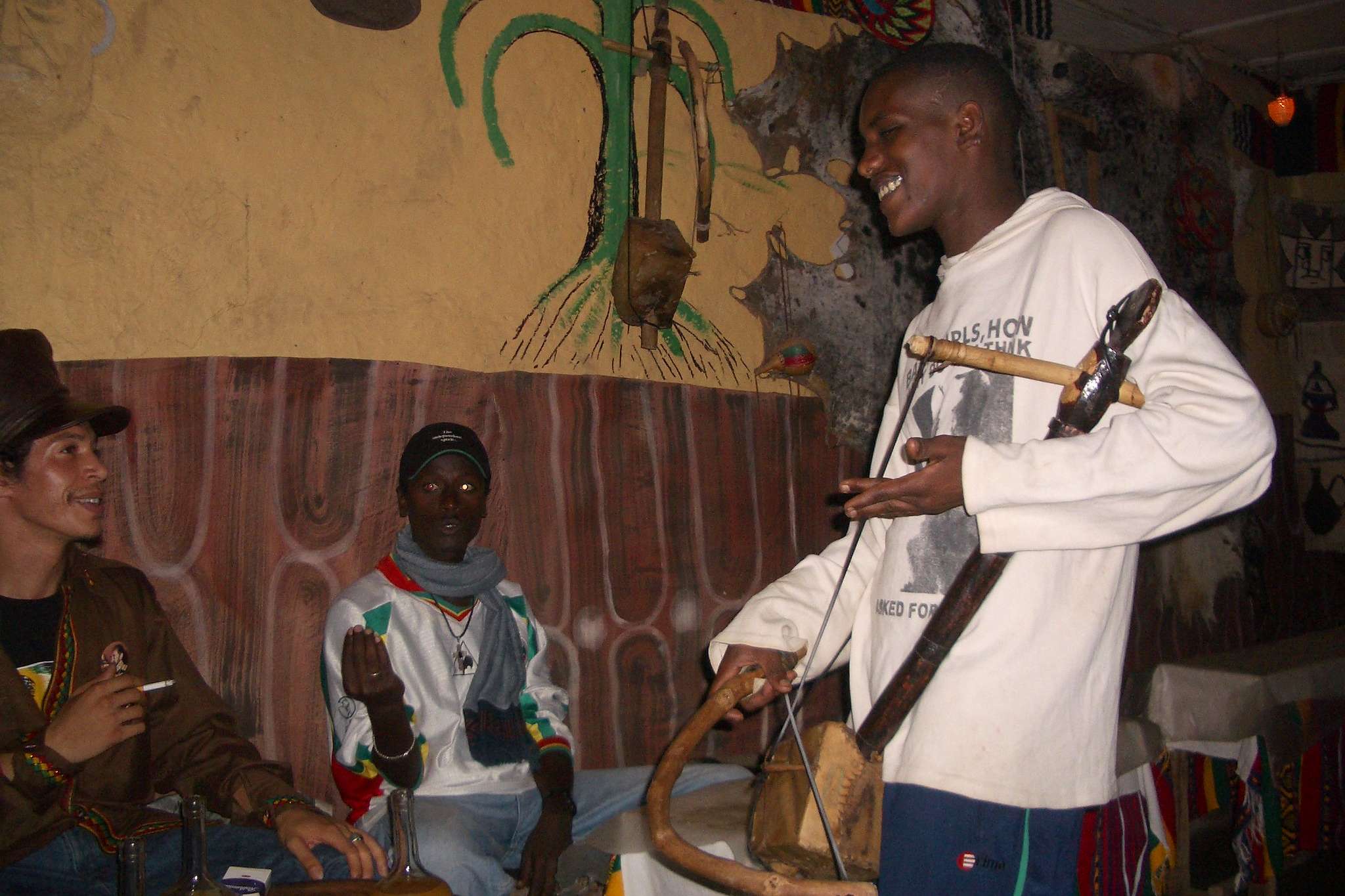
Where can you hear traditional Ethiopian music in Addis Ababa?
The best-known place is Fendika, the azmari house and cultural centre whose Kazanchis building was demolished in October 2024; since December 2024 it has run performances as Fendika@Hyatt at the Hyatt Regency on Meskel Square. For a dinner-and-dance evening, cultural restaurants in Bole such as Yod Abyssinia and 2000 Habesha stage live traditional music and regional dances. Many small azmari bars have closed in the city's redevelopment, so check what is on before you go, and travel door to door by car at night.
Updated Sept 2026 · 6 min