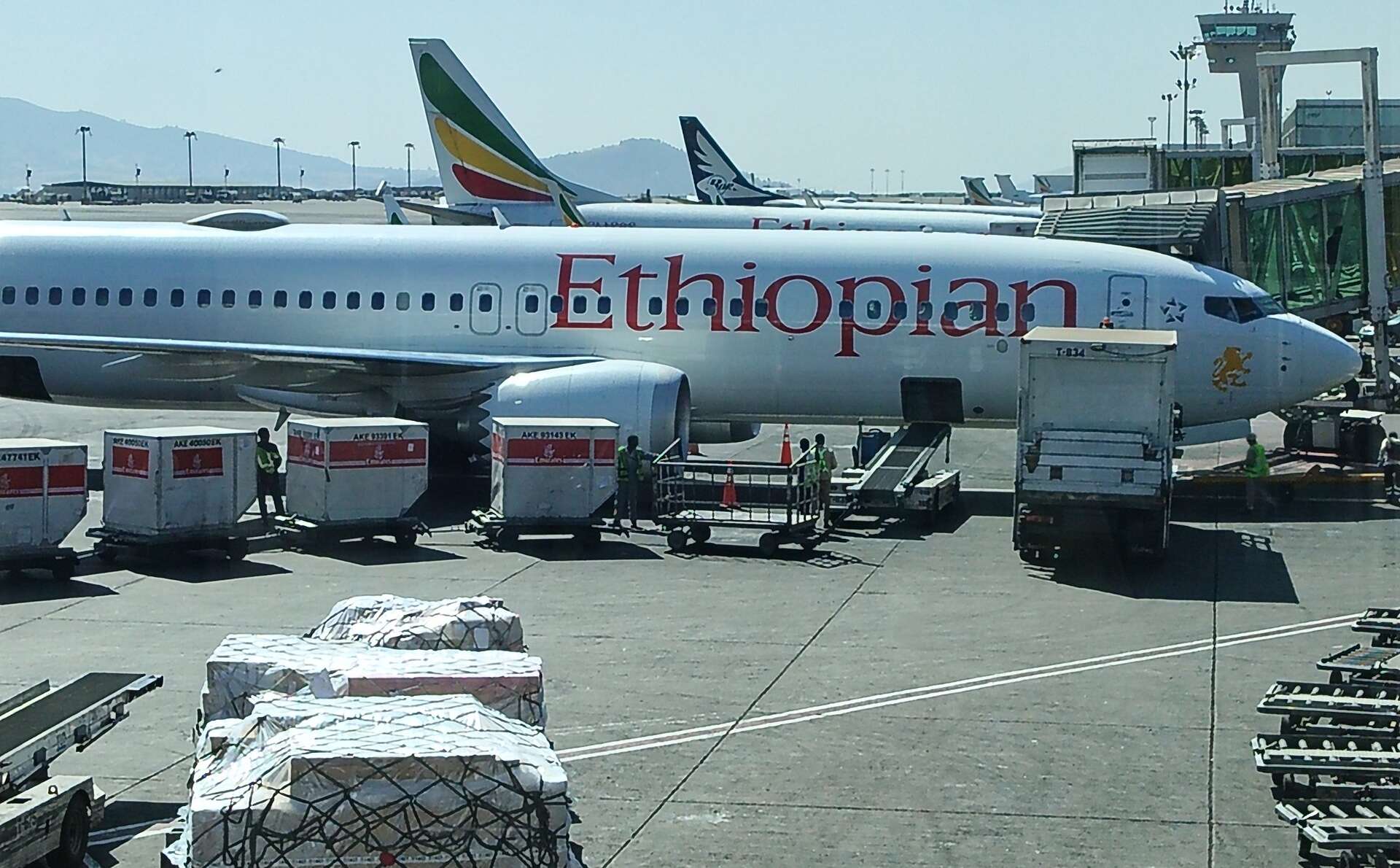
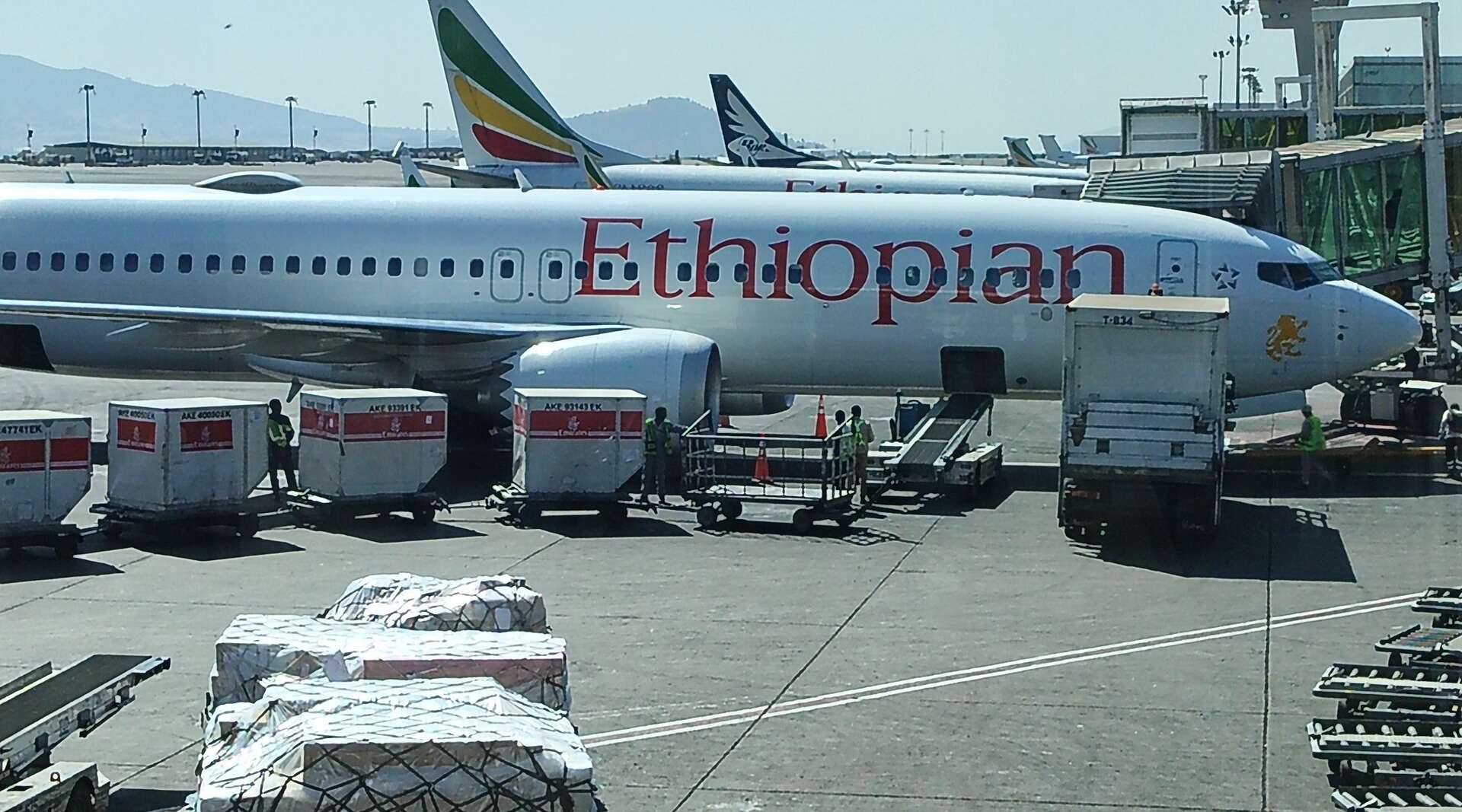
Bishoftu International Airport is being built at Abusera, near Bishoftu (Debre Zeit), about 40–45 km south-east of Addis Ababa. Construction formally began on 10 January 2026, and Ethiopian Airlines' target for the first phase, with two runways and room for 60 million passengers a year, is 2030. As of October 2026 it is a building site: flights to Addis Ababa still use Bole International Airport.
Get a fixed price for this Ask us for a fixed priceBishoftu International Airport is Ethiopia's planned new main airport, on a site at Abusera near the town of Bishoftu (still often called Debre Zeit), about 40–45 km south-east of Addis Ababa. Work formally started on 10 January 2026. Ethiopian Airlines, which is building it, aims to finish the first phase by 2030. Until then, and probably for a while after, every visitor to Addis Ababa flies into Bole International Airport.
So for a trip in 2026 or 2027, nothing changes. Ethiopia Driver, a family-run private driver service in Addis Ababa, meets you at Bole arrivals and drives the Bishoftu road regularly, so we watch this project closely. Here is what is confirmed, what is only planned, and what it means for you.
Where exactly is the new airport?
The site is at Abusera, near Bishoftu town in the Oromia region. Most official descriptions put it about 40 km south of Addis Ababa; some reports say about 45 km south-east, depending on where in the city they measure from. It lies in the same direction as Bishoftu's crater lakes, the easiest trip out of the capital.
The new airport sits much lower than Bole, at around 1,910 m above sea level, almost 400 m below Bole. Planes perform better in the thicker air lower down, one of the advantages the planners point to.
When does Bishoftu airport open?
Not yet, and not soon. Prime Minister Abiy Ahmed and Ethiopian Airlines Group CEO Mesfin Tasew laid the cornerstone at the groundbreaking on 10 January 2026. The airline's target for phase one is 2030; some earlier planning papers said late 2029. Treat 2030 as a target, not an opening date you can plan around.
What is confirmed (as of October 2026)
- Construction has formally begun. The groundbreaking was on 10 January 2026, and Ethiopian Airlines reported at the ceremony that resettlement and livelihood restoration for the affected communities had been completed.
- Earthworks are under way. Ethiopian Airlines has committed about US$610 million to them.
- The main builders are not chosen yet. International construction groups have been shortlisted for four big packages: the main terminal, support facilities, the airfield, and transport links off the site. The final choice has moved to early 2027 because bidders asked for more time.
- Financing is still being arranged. The African Development Bank is leading the effort to raise the loans.
What is planned
- Phase one by 2030: two parallel runways and a 660,000 m² terminal for up to 60 million passengers a year.
- Later phases: up to 110 million passengers a year, four runways and parking for 270 aircraft, which would make it Africa's largest airport.
- A high-speed rail link to central Addis Ababa and to Bole.
- Cost: Ethiopian Airlines puts phase one at about US$12.5 billion; other reports give different totals.
Projects this size often slip, and the main contracts were not signed as of October 2026. We will update this page when the dates firm up.
What happens to Bole airport?
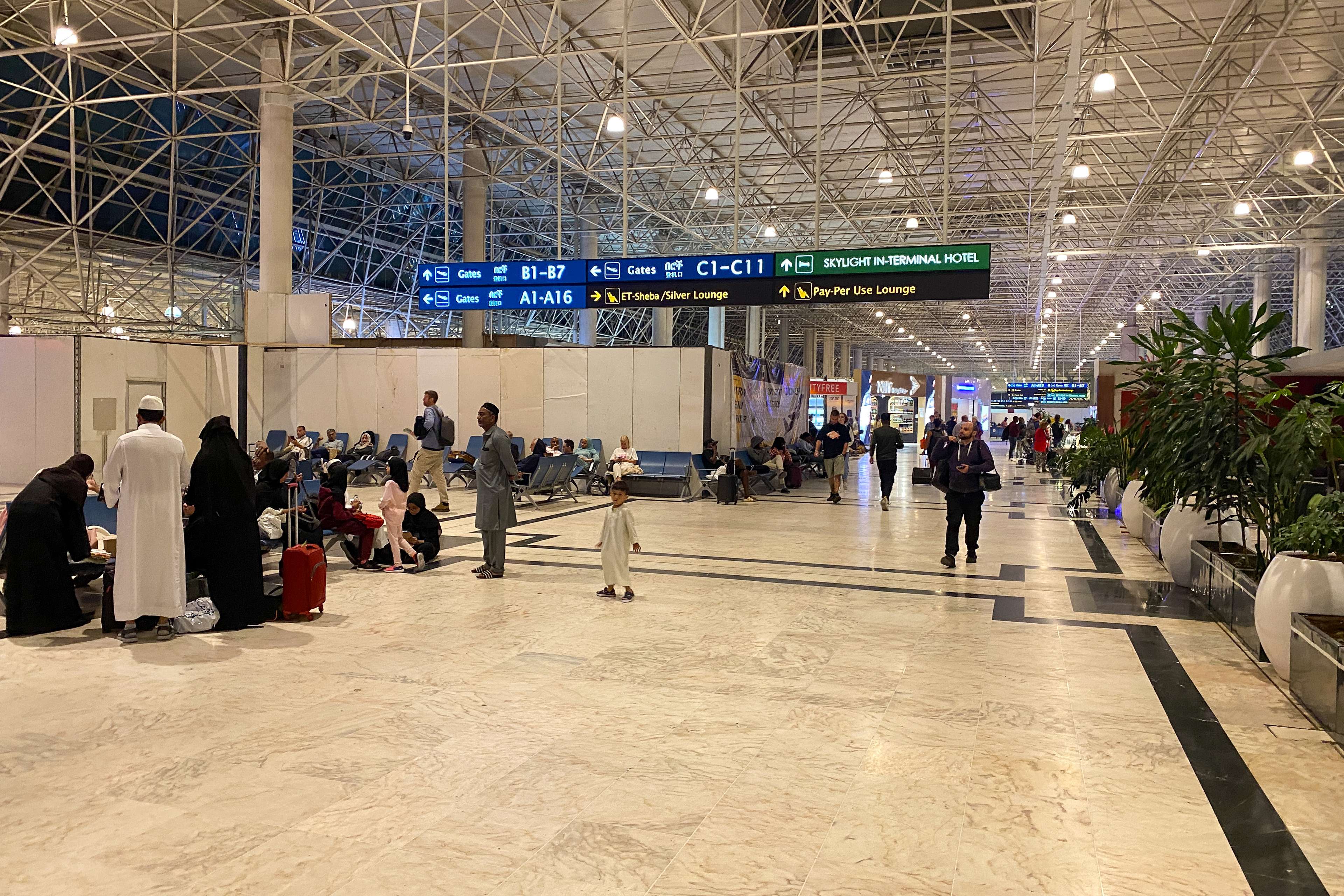
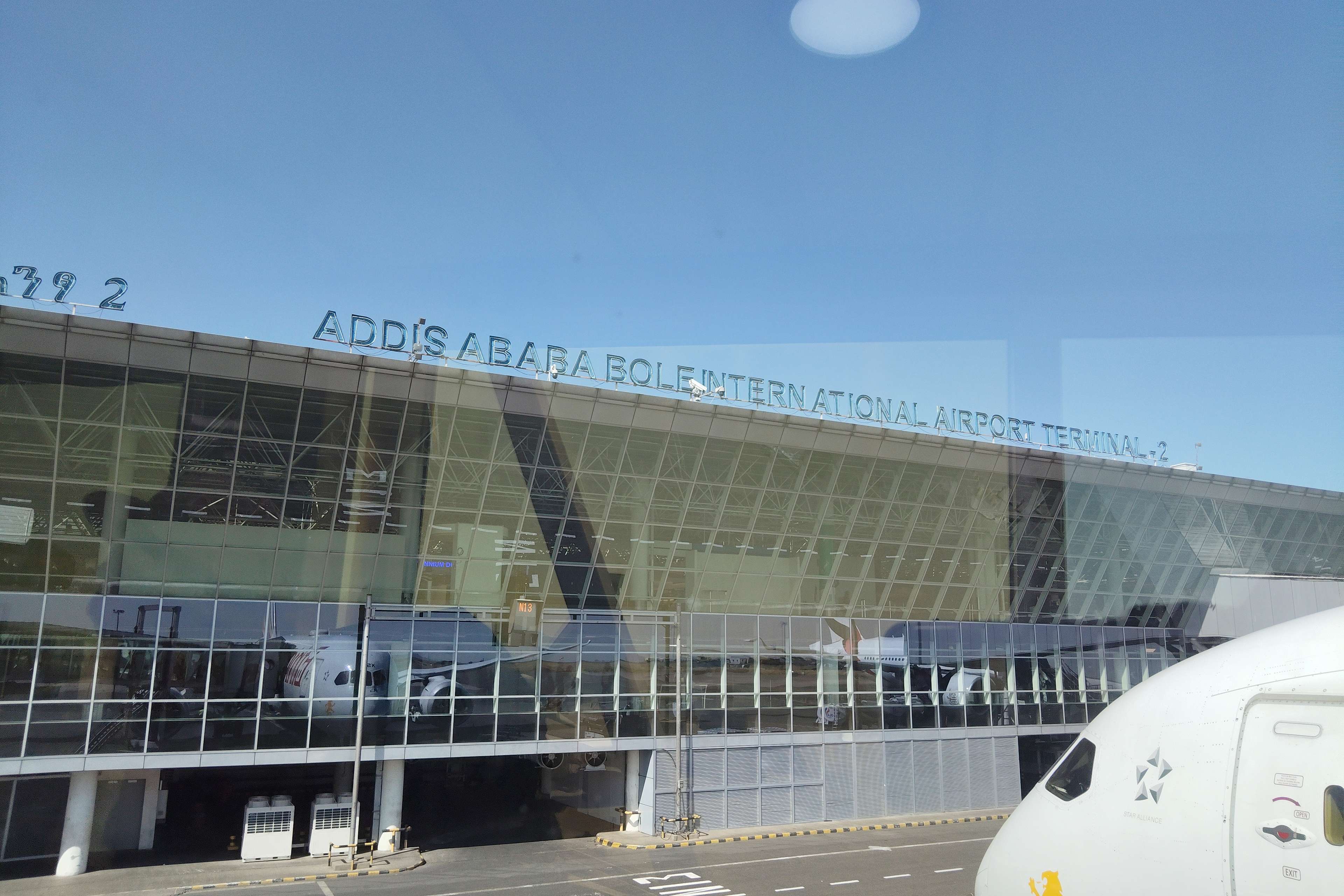
Bole is not closing in any plan published so far. After its recent expansion it can handle about 25 million passengers a year, and it is close to that limit: the Prime Minister said in January 2026 that Bole would reach its limits within two to three years. That pressure is the reason Bishoftu is being built.
The government calls the plan a two-airport system. Planning documents send international flights and most international connections to Bishoftu, while 90–95% of domestic traffic stays at Bole. The final split of routes, and the rules for connecting between the two airports, have not been published. If you ever book a domestic flight that connects to an international one after Bishoftu opens, check which airport each leg uses.
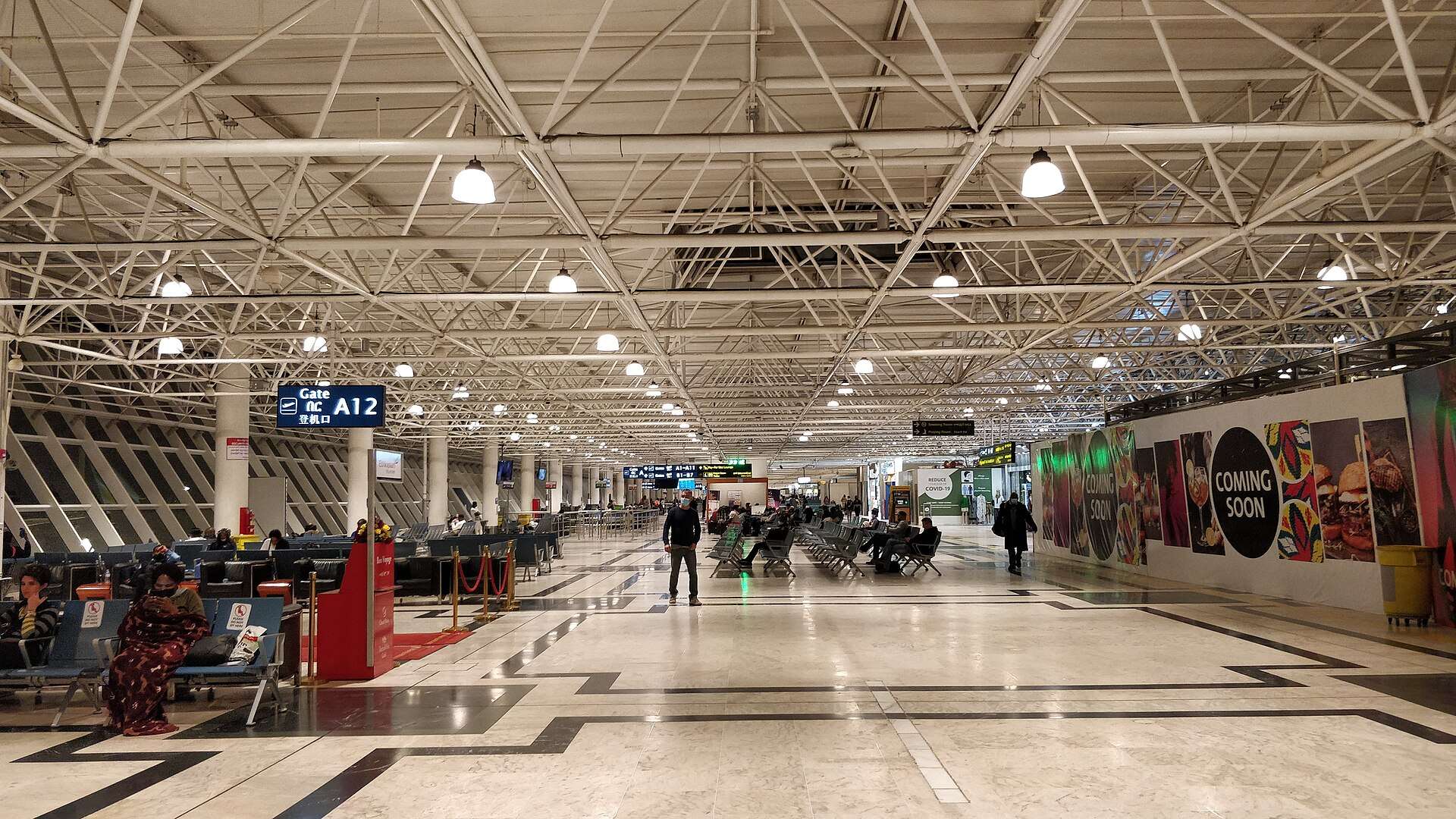
What does it mean for your trip right now?
Very little, except one thing: don't let headlines about "Africa's biggest airport" confuse your plans. In 2026 your international flight lands at Bole, inside Addis Ababa, and domestic flights to places such as Hawassa or Arba Minch also leave from Bole. Our step-by-step guide to arriving at Bole airport covers immigration, money and SIM cards, and getting from Bole into Addis Ababa compares your options for the ride to your hotel.
If you were hoping to see Bishoftu, go for the lakes, not the airport. The town is an easy trip on the Addis–Adama expressway; see how long it takes from Addis Ababa to Bishoftu and what there is to do in Bishoftu. The airport is a construction project, not a place to visit.
How will you get to the new airport when it opens?
By road and, if it is built on time, by rail. The plans include a high-speed rail link to central Addis Ababa and Bole, and the off-site transport package covers both rail and roads. Bole sits inside the city, so the trip out to Bishoftu will take longer than today's airport run. When there is a real opening date and a published list of which flights move, we will explain the transfer times here.
Until then, the best way to arrive is simple: one booked car, a driver waiting outside arrivals, and no haggling at the kerb. We can also book your hotel and domestic flights for you in birr, and you pay us one amount in US dollars or your own currency.
Questions people ask us
Is Bishoftu International Airport open?+−
No. Construction formally began on 10 January 2026 and Ethiopian Airlines' target for the first phase is 2030. As of October 2026 all flights to Addis Ababa use Bole International Airport.
How far is the new Bishoftu airport from Addis Ababa?+−
About 40–45 km south-east of the city, at Abusera near Bishoftu (Debre Zeit). Official descriptions say about 40 km; some reports say 45 km.
Will Bole airport close when Bishoftu opens?+−
Not in the plans published so far. Planning documents keep most domestic flights at Bole and move international flights to Bishoftu, but the final split of routes has not been published.
How big will Bishoftu International Airport be?+−
Phase one is planned for 60 million passengers a year with two runways. Later phases would take it to 110 million passengers and four runways, which would make it Africa's largest airport.
Who is building the new Addis Ababa airport?+−
Ethiopian Airlines Group leads the project, with the African Development Bank arranging the loans. ZHA (formerly Zaha Hadid Architects) designed the terminal; the main construction contractors were still being chosen in October 2026.
Can someone meet me at Bole and drive me to Bishoftu?+−
Yes. Ethiopia Driver meets you at Bole arrivals with a name sign and drives the Bishoftu road regularly, as a transfer or a day trip. Message us on WhatsApp or email for one fixed quote for the whole car.
Sources
We checked this answer against these pages on 23 October 2026. Rules and advice change, so check official sources before you travel.
- Ethiopian Airlines Marks the Groundbreaking of Bishoftu International Airport Construction · Ethiopian Airlines Group
- Shaping Africa's New Aviation Gateway: The Bishoftu International Airport · Ethiopian Airlines Group
- Bishoftu International Airport construction begins · ZHA (Zaha Hadid Architects)
- Eight Sites Evaluated for Bishoftu Airport, Some with Half the Current Cost · The Reporter Ethiopia
- Ethiopia's Bishoftu Mega Hub Reshapes Air Travel · Travel and Tour World
- Chinese firms dominate Ethiopia's Bishoftu airport shortlist · ch-aviation
- At Ethiopia's New Mega-Airport, the U.S. and China Vie for Influence · The China-Global South Project
- AfDB and Ethiopian Airlines partner on Bishoftu airport financing · The Exchange Africa
- Ethiopia travel advice: regional risks · UK Foreign, Commonwealth & Development Office
- Travel Advisory: Ethiopia – August 27, 2026 · U.S. Embassy in Ethiopia
Written by Abel Gizaw, Addis Ababa. Abel schedules our drivers. A family-run driver service. We only write about roads we drive ourselves and we update these answers regularly. Something changed? Tell us on WhatsApp.